

Reading the current blood pressure guidelines

Oat vs. dairy milk: Nutrition, benefits, and downsides

Microplastics: A hidden health threat?

Healing after food poisoning

What is tempeh? Benefits, nutrition, and how to use it

Light exposure at night may raise risk for heart disease

Whole grains may improve several heart risk factors at once

A lumbar belt may help ease low back pain

Children of centenarians may stay healthier and live longer too, study finds

Signs of pneumonia: Sometimes vague and unexpected
Nerve pain (neuropathic pain) Archive
Articles

Are fibromyalgia and irritable bowel syndrome linked?
Many people live with both IBS and fibromyalgia, facing gut issues plus ongoing pain and fatigue. Doctors suspect a connection, but it’s not yet clear how the two are linked.

What is tarsal tunnel syndrome?
Tarsal tunnel syndrome is a nerve disease most often caused by compression, inflammation, or irritation of the tibial nerve inside the ankle. Symptoms include burning, tingling, and numbness in the foot. It may result from flat feet, injury, or swelling. Standard treatment involves physical therapy and shoes or orthotics with arch support.


Physical therapy provides modest improvement for chronic low back pain
Sometimes low back pain becomes a chronic problem, lasting more than three months. This can be difficult to treat. A 2026 study of 749 adults with chronic low back pain found that treatment with physical therapy provided modest benefits over cognitive behavioral therapy.

Can diabetes cause joint pain that feels like arthritis?
Tendonitis, bursitis, frozen shoulder, and Charcot joint can all strike people with diabetes. They mimic arthritis but have different causes.

Do we feel pain more at night?
Chronic pain typically fluctuates during the day and some research suggests that it worsens at night, potentially interfering with sleep. If pain keeps you awake at night, trying these strategies may help you sleep better.

Neck pain: Symptoms, causes, & how to relieve it
The cause of most neck pain is strained or sprained muscles, ligaments, and tendons. First-line therapy is rest, ice, heat, pain relievers, and possibly limited use of a neck collar.

When walking makes your legs hurt
There are other conditions besides arthritis that can make walking difficult and even painful, such as peripheral artery disease, chronic venous insufficiency, lumbar spinal stenosis, and diabetic neuropathy.
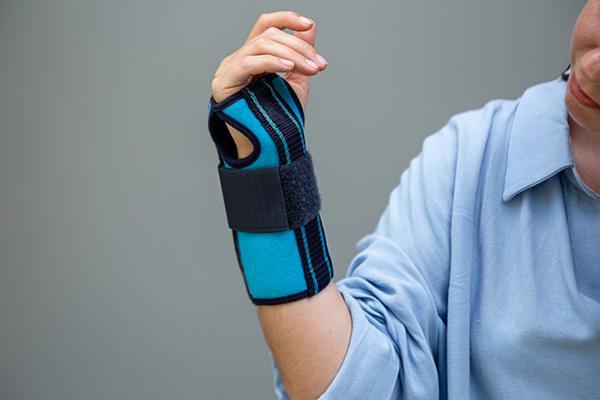
Study questions the value of wrist splinting for carpal tunnel syndrome
A 2026 study of people with carpal tunnel syndrome found that wearing a rigid wrist splint provided minimal improvement and did not improve symptoms better than wearing a soft bandage for 12 weeks. Rates of surgery within one year were also similar.

When a pain in the neck is serious
A cervical artery dissection is a tear in one of the arteries in the neck that carry blood to the brain. Although rare, it is one of the most common causes of stroke in people under age 50.
Reading the current blood pressure guidelines
Oat vs. dairy milk: Nutrition, benefits, and downsides
Microplastics: A hidden health threat?
Healing after food poisoning
What is tempeh? Benefits, nutrition, and how to use it
Light exposure at night may raise risk for heart disease
Whole grains may improve several heart risk factors at once
A lumbar belt may help ease low back pain
Children of centenarians may stay healthier and live longer too, study finds
Signs of pneumonia: Sometimes vague and unexpected
Free Healthbeat Signup
Get the latest in health news delivered to your inbox!
Sign Up
