

Signs of pneumonia: Sometimes vague and unexpected

The surprising link between ovarian cancer and the fallopian tubes

Using a vibration plate: What it can — and can't — do for your body

People who walk more or walk faster live longer, study finds

Rosacea treatments: What works?

For sleep apnea, a dental device may be as effective as CPAP

Carb cycling: What is it, and does it work?

Understanding orthorexia: Have your healthy eating goals gone too far?

Melatonin or magnesium: Can either supplement help you sleep?

Salmonella, E. coli, Cyclospora, and other germs that cause food poisoning: What you need to know
Nerve pain (neuropathic pain) Archive
Articles
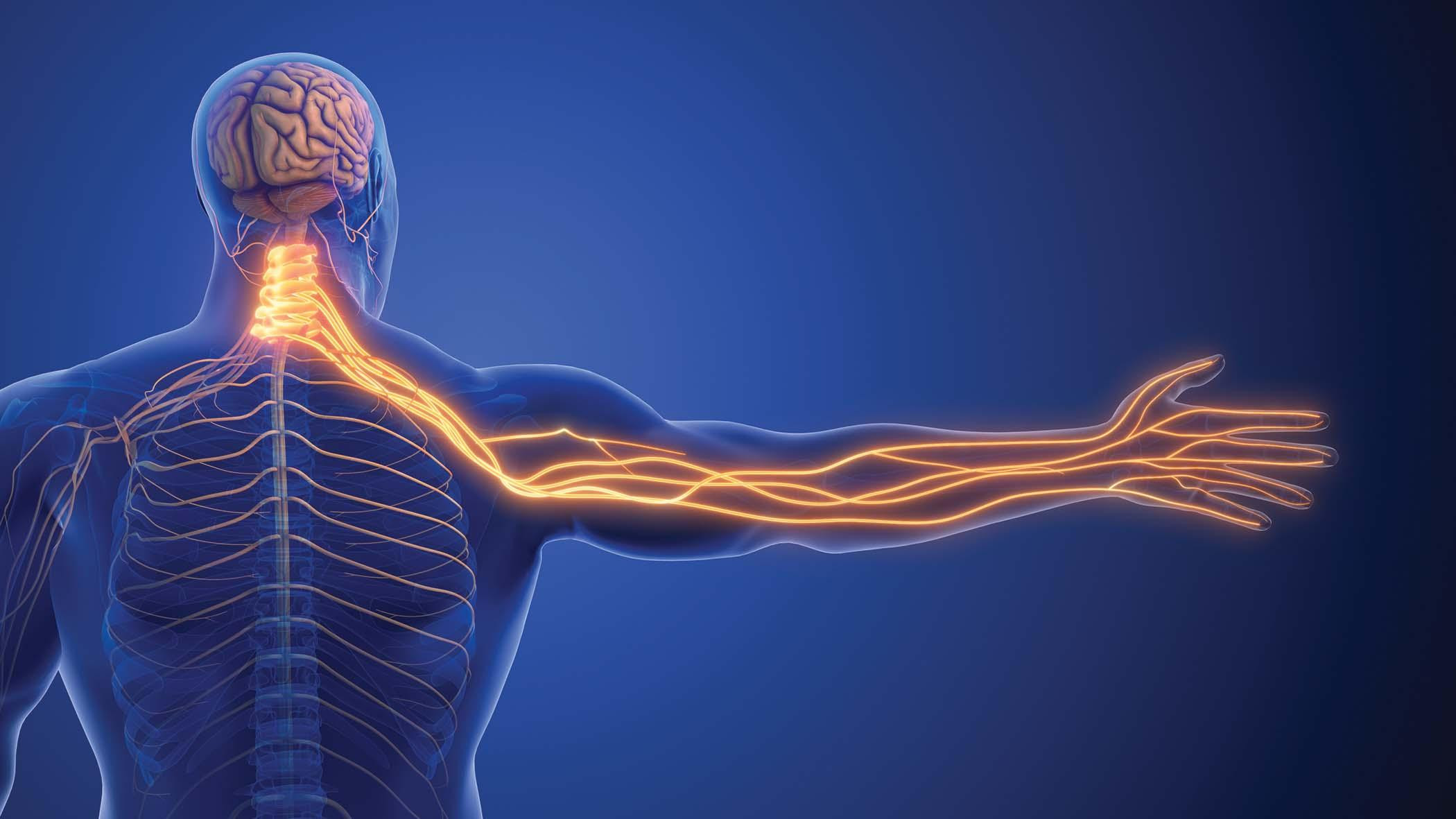
Punch back against pinched nerves
A pinched nerve occurs when something compresses or irritates a nerve. This can cause pain, tingling, or weakness in areas like the neck, back, or wrist. Rest and home remedies can help, but physical therapy and medication are sometimes needed.



A headache that starts in your neck
Pain that starts at the base of the skull and radiates to one side of the forehead may be a cervicogenic headache. These headaches are sometimes mistaken for tension headaches or migraines. Cervicogenic headaches originate from a problem around the top of the spine. Possible causes include a herniated disk, arthritis, or an injury, such as whiplash. Treatments include pain relievers, physical therapy, and injections of steroids or anesthetics.

Gait training may relieve pain from knee osteoarthritis
In a 2025 study, people with knee osteoarthritis reported less pain and had less knee cartilage damage after changing their walking gait to reduce pressure on the inner part of the knee.

Study suggests risks outweigh benefits of a widely used prescription painkiller
A 2025 analysis of 19 randomized controlled trials involving 6,500 people found that tramadol, a widely prescribed opioid drug, was only mildly effective at reducing chronic pain. It increased the risks for both mild and serious side effects, including heart problems.

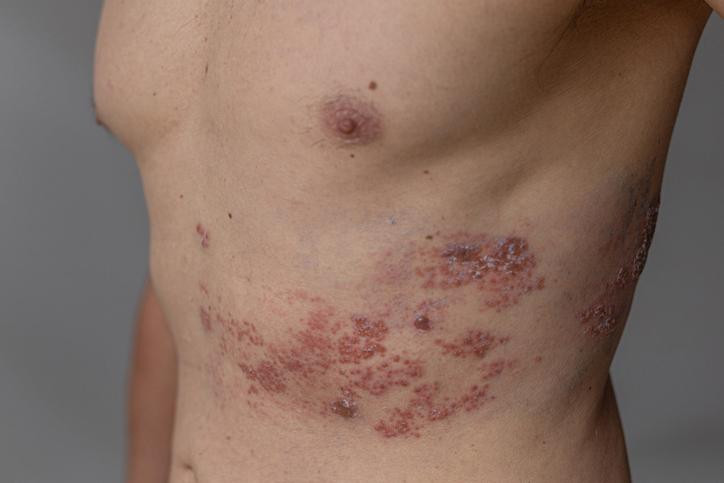
What to do if you have - or suspect you have - shingles
Shingles occurs when the dormant chickenpox virus reactivates, causing tingling, burning, and a painful, blistering rash. Shingles can affect anyone who has had chickenpox, with higher risk after age 50 and in people with weakened immunity. Diagnosis and treatment within three days of the rash appearing can shorten the illness and reduce severity. Most people recover completely from shingles, but there may be complications, such as post-herpetic neuralgia, which is pain that can be severe and long-lasting. Vaccination is the best way to prevent shingles and its complications.
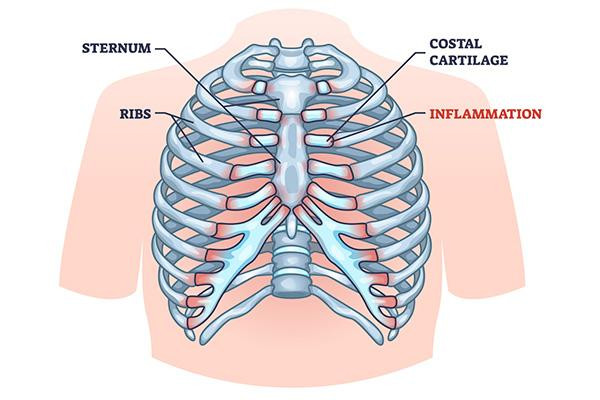
Chest pain that mimics a heart attack
Costochondritis, which is inflammation of the cartilage between the ribs and the breastbone, is one of the most common causes of chest pain and is frequently mistaken for a heart attack.
Signs of pneumonia: Sometimes vague and unexpected
The surprising link between ovarian cancer and the fallopian tubes
Using a vibration plate: What it can — and can't — do for your body
People who walk more or walk faster live longer, study finds
Rosacea treatments: What works?
For sleep apnea, a dental device may be as effective as CPAP
Carb cycling: What is it, and does it work?
Understanding orthorexia: Have your healthy eating goals gone too far?
Melatonin or magnesium: Can either supplement help you sleep?
Salmonella, E. coli, Cyclospora, and other germs that cause food poisoning: What you need to know
Free Healthbeat Signup
Get the latest in health news delivered to your inbox!
Sign Up
