Ministrokes linked to elevated risk of dementia

Continuous glucose monitors benefit people who don't need insulin

CoQ10: Should you take this popular supplement if you're on a statin?

Microplastics: A hidden health threat?

Oat vs. dairy milk: Nutrition, benefits, and downsides

What is tempeh? Benefits, nutrition, and how to use it

Healing after food poisoning

Children of centenarians may stay healthier and live longer too, study finds

A lumbar belt may help ease low back pain

Whole grains may improve several heart risk factors at once
Lung cancer Archive
Articles
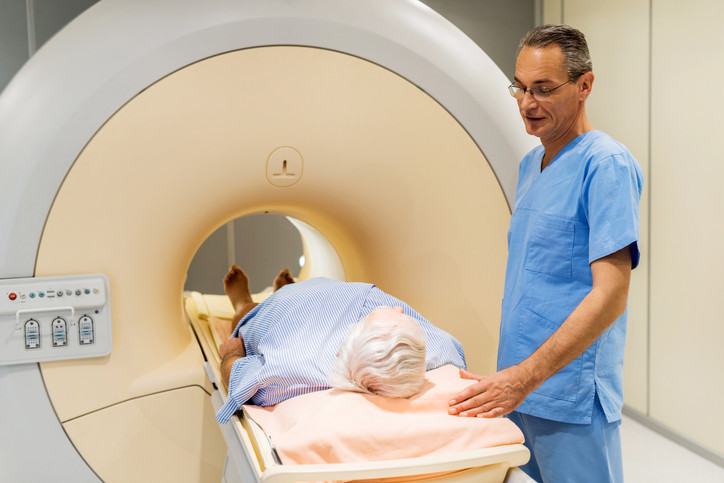
Radiation risk from medical imaging
Given the huge increase in the use of CT scans, concern about radiation exposure is warranted. Patients should try to keep track of their cumulative radiation exposure, and only have tests when necessary.


Tempted to have genetic testing? First ask why
Several companies promote at-home genetic testing to uncover a range of potential health problems (and, in some cases, ancestry traits). Just how useful is this and how do such tests differ from genetic testing a doctor may recommend for medical reasons?

Air pollution: How to reduce harm to your health
Some air pollution levels have inched up in recent years, and accumulating evidence suggests that higher levels of particulates in the air are linked with increased levels of hospitalization for many serious health problems. But we can make choices to help both the environment and our health.

Time to hire a caregiver? 3 tips to help

Supplements to prevent heart disease and cancer not justified

Drinking sugary beverages associated with colon cancer risk

New recommendation: Earlier colorectal cancer screening

7 strategies to prevent cancer
Ministrokes linked to elevated risk of dementia
Continuous glucose monitors benefit people who don't need insulin
CoQ10: Should you take this popular supplement if you're on a statin?
Microplastics: A hidden health threat?
Oat vs. dairy milk: Nutrition, benefits, and downsides
What is tempeh? Benefits, nutrition, and how to use it
Healing after food poisoning
Children of centenarians may stay healthier and live longer too, study finds
A lumbar belt may help ease low back pain
Whole grains may improve several heart risk factors at once
Free Healthbeat Signup
Get the latest in health news delivered to your inbox!
Sign Up