Ministrokes linked to elevated risk of dementia

Continuous glucose monitors benefit people who don't need insulin

CoQ10: Should you take this popular supplement if you're on a statin?

Microplastics: A hidden health threat?

Oat vs. dairy milk: Nutrition, benefits, and downsides

What is tempeh? Benefits, nutrition, and how to use it

Healing after food poisoning

Children of centenarians may stay healthier and live longer too, study finds

A lumbar belt may help ease low back pain

Whole grains may improve several heart risk factors at once
Lung cancer Archive
Articles

Prolonged stress may increase the risk of death from cancer
People exposed to long-term stress have a higher risk of dying from cancer, according to a 2022 study. The connection may be related to high levels of the stress hormone cortisol.

A lethal cancer's long reach
While ovarian cancer is not always inherited, family history is the top risk factor for the disease, which is diagnosed in 20,000 American women and kills 13,000 annually. Symptoms, such as bloating, pelvic pain, bowel or bladder habit changes, and unusual vaginal discharge or bleeding, are often vague and subtle until the disease is advanced, making it hard to detect and cure. No standard screening test is available for ovarian cancer. Women with symptoms can ask for a pelvic ultrasound. Women with a family history should seek genetic counseling and testing.

A breath-robbing disease that's hard on the heart
About one in eight adults over age 45 has chronic obstructive pulmonary disease (COPD). COPD refers to several lung-damaging conditions, particularly emphysema and chronic bronchitis, that cause coughing and breathlessness. But many people don't know much about COPD, which is largely caused by cigarette smoking and may be mistaken for heart disease. Anyone with symptoms of COPD should be evaluated by a physician. People who have heart disease who have ever smoked or lived with a smoker should be tested for COPD.

Eating disorders in midlife
By age 40, one in five women has dealt with an eating disorder, twice the proportion of women known to be affected by age 21. Risks for anorexia, bulimia, and binge eating can rise at midlife due to job stressors, an empty nest, and dating again after divorce or widowhood. Health effects can include bone loss, heart problems, lung conditions, gastrointestinal issues, diabetes, and skin breakdown. Signs of an eating disorder include dramatic weight fluctuations, excessive exercising, and preoccupation with weight, calories, and body size and shape.

Respiratory health harms often follow flooding: Taking these steps can help
Flooding due to major storms or heavy rains can harm lung health, both from toxic contaminants that end up in the air and from the growth of mold caused by dampness. Taking steps to prevent flooding when possible and moving quickly to reduce health risks if flooding occurs can help protect your family's health.
The latest in cancer treatments
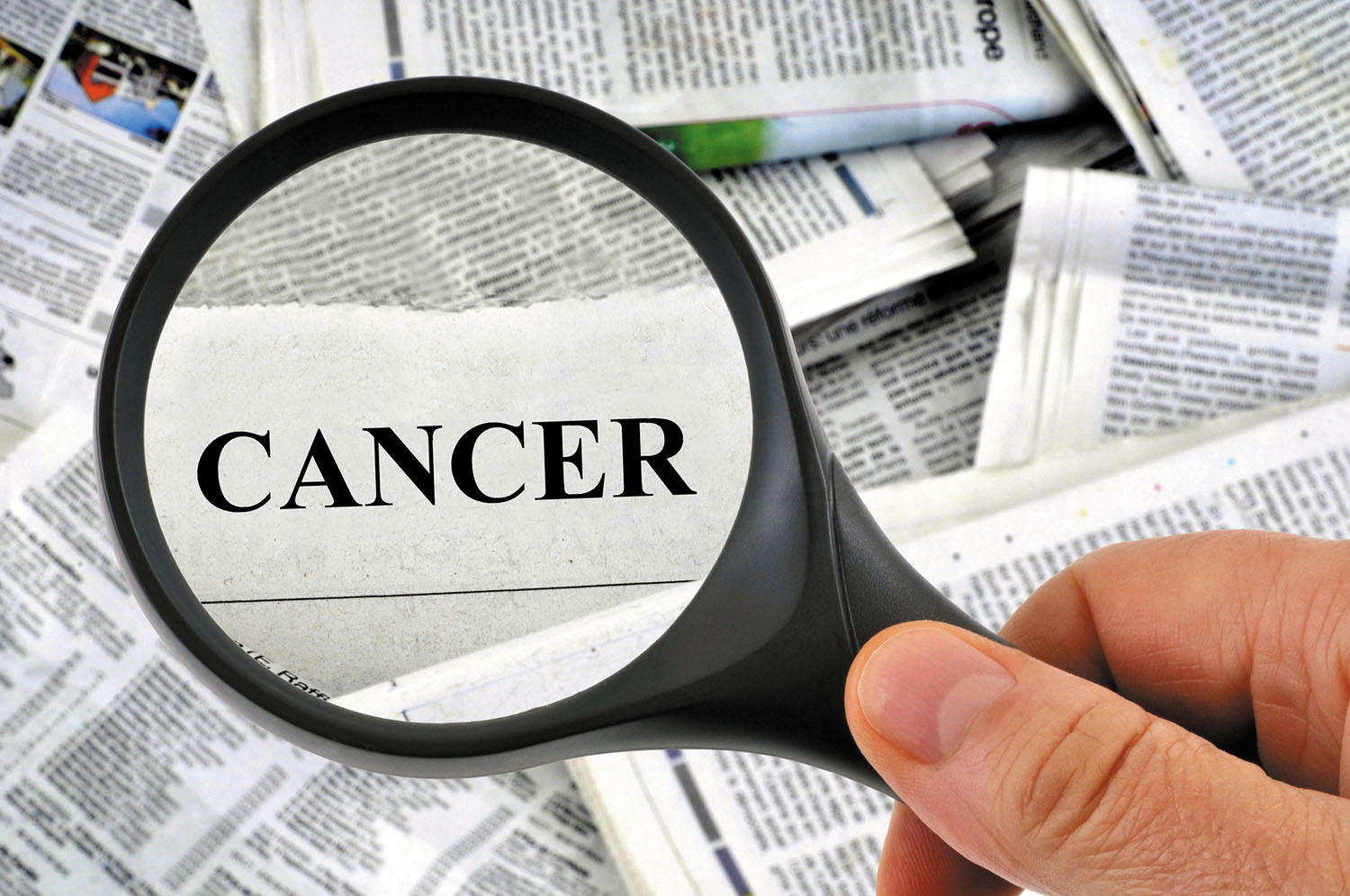
Groundbreaking cancer treatments continuously emerge from labs and research trials. Three Harvard oncologists share what stands out in their respective fields of prostate, lung, and colon cancer, the most common cancers among men. Examples include greater roles for immunotherapy, targeted therapy, and intensive hormonal treatments.

Inflammatory bowel disease: Issues outside the gut
Nearly half of all people with inflammatory bowel disease have symptoms that occur outside of the gastrointestinal tract. These conditions, known as extraintestinal manifestations (EIMs), can affect the musculoskeletal system, eyes, lungs, and other areas of the body.

Curbing the nation's deadliest cancer
Lung cancer kills about 130,000 Americans yearly, but only a tiny percentage of people eligible for low-dose CT lung cancer screening receive it. People qualify for lung cancer screening if they are 50 to 80 years old, have a substantial smoking history as measured in lifetime packs smoked, and currently smoke or quit within the past 15 years. Tens of thousands of lives might be saved each year if everyone who qualified underwent lung cancer screening, which can detect tumors when they are still small enough to be cured with surgery or radiation.

Poor sleep heightens risk of COPD flare ups
A 2022 study found that people with COPD who reported poor sleep had significantly higher risks of experiencing flare-ups of worsened breathing. Poor sleep may more accurately predict COPD flare-ups than a person's smoking history, researchers said.

When can women with early-stage breast cancer skip radiation after lumpectomy?
Current guidelines for women under 65 with early-stage breast cancer recommend following lumpectomy with radiation therapy, but emerging research could expand the option of skipping radiation to some women as young as 55.
Ministrokes linked to elevated risk of dementia
Continuous glucose monitors benefit people who don't need insulin
CoQ10: Should you take this popular supplement if you're on a statin?
Microplastics: A hidden health threat?
Oat vs. dairy milk: Nutrition, benefits, and downsides
What is tempeh? Benefits, nutrition, and how to use it
Healing after food poisoning
Children of centenarians may stay healthier and live longer too, study finds
A lumbar belt may help ease low back pain
Whole grains may improve several heart risk factors at once
Free Healthbeat Signup
Get the latest in health news delivered to your inbox!
Sign Up