Gout and heart disease: What's the connection?
Hearing loss in noisy environments
Hyaluronic acid for skin: Benefits, how to use it, and side effects
Weight cycling linked to increased muscle loss
Self-directed cognitive behavioral therapy may help alleviate chronic pain
What men should know about proposed changes for testosterone therapy
Ashwagandha: Benefits, side effects, and safety concerns
Hearing aids: Types, costs, over-the-counter options, and AirPods
Meditation techniques: How to meditate for stress, sleep, and focus
Anti-inflammatory diet: Foods that help reduce chronic inflammation
Integrative therapies Archive
Articles
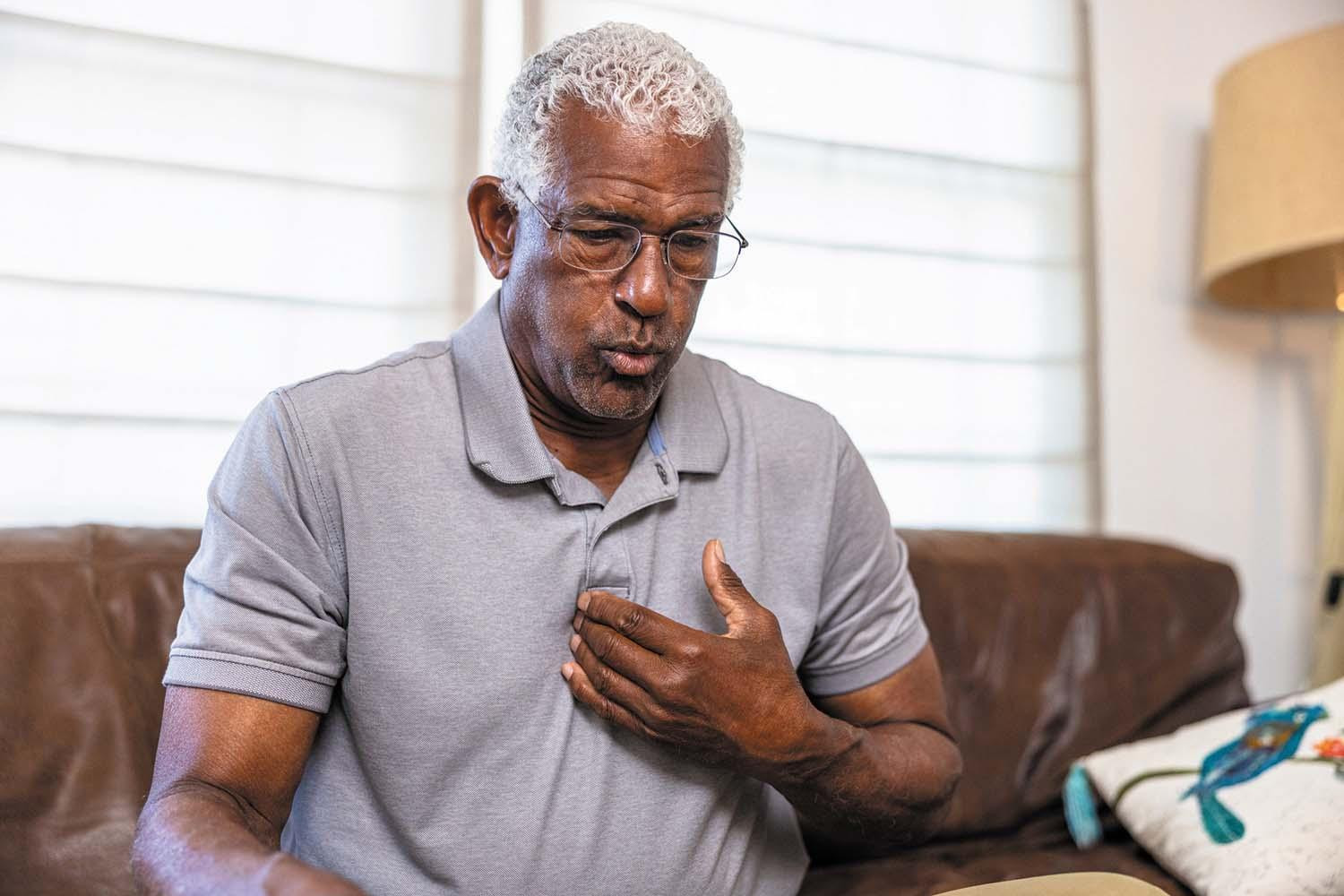
The drug-free approach to pain management
You have many alternatives for treating and controlling pain.
The opioid epidemic continues to rise in America, and a 2017 report from the National Initiative for the Care of the Elderly suggests the crisis now affects more older adults.
A main reason for the growing addiction to pain medicine is the ease with which it is often prescribed, according to Dr. Robert Jamison, a professor of anesthesia and psychiatry with Harvard-affiliated Brigham and Women's Hospital.
A new app can help you chose herbal supplements wisely
Research we're watching
Wondering if that herb or herbal supplement is safe and effective? A new app can tell you. The National Center for Complementary and Integrative Health has introduced a new app called HerbList, which provides research-based information on various herbal products.
The app, which is available free on the Apple App store and Google Play store, is designed to give consumers important details on the safety and effectiveness of some of the most popular herbs and herbal supplements. While marketers may claim these products bring health benefits and are safe, that might not always be the case. This app can help you sort through the claims to determine what's real — and what's not.
Is whole-body cryotherapy effective and safe?
Ask the doctors
Q. A friend of mine recommended I try whole-body cryotherapy for arthritis pain. Is this technology proven to work?
A. Whole-body cryotherapy is a technology designed to cool the body by exposing it to subzero temperatures (typically –200° to –300° F) for short sessions of two to four minutes. In some cases, people sit in a cold room; in others, they are placed in a special enclosure that cools them from the neck down. The theory behind cryotherapy is that cold temperatures can reduce inflammation and swelling in the body — much like an ice pack would on your swollen ankle. People who promote cryotherapy claim it can help treat symptoms related to numerous conditions, including arthritis, asthma, depression, and chronic pain, among others. They also claim that whole-body cryotherapy can aid in weight loss, soothe sore muscles, boost metabolism, and even get your blood circulating more efficiently. But while that may sound great, there's really no scientific proof that whole-body cryotherapy is safe, or any evidence to support claims about its health benefits, according to the FDA. And the FDA has not cleared or approved any whole-body cryotherapy device to treat any medical condition. In short, whole-body cryotherapy is still unproven and could potentially bring risks, so if you are considering using the technology, it's a good idea to discuss the decision with your doctor first.
Managing your medications before a medical procedure
You may need to stop taking blood thinners, certain painkillers, herbs, and supplements to reduce your risk for bleeding.
Image: © Steve Debenport/Getty Images
No one wants to have surgery, even minor surgery, but sometimes minor procedures, such as a tooth extraction or a colonoscopy, are unavoidable. When that happens, you may hear that it's important to stop taking certain medications. Understanding exactly which drugs to suspend — and when — can be confusing. "I get a lot of questions about this," says Joanne Doyle Petrongolo, a pharmacist at Harvard-affiliated Massachusetts General Hospital.
Blood thinners
All surgery involves cutting body tissue, and that leads to bleeding. Blood thinners—medications like anticoagulants and antiplatelet drugs—can boost the risk for bleeding by keeping the blood from clotting.
Yoga can help with low back pain relief
In the journals
Image: © Wavebreakmedia Ltd/Thinkstock
Low back pain? Try yoga. A study published online July 20, 2017, by the American Journal of Preventive Medicine found that low back pain sufferers who completed a 12-week yoga program reported less pain and better quality of life compared with those who received standard care, such as medication, physical therapy, and exercise.
The study specifically looked at military veterans, average age 53, 74% of whom were men, who had experienced chronic lower back pain for at least six months. The 12-week program consisted of two hour-long instructor-led yoga sessions per week, with home practice encouraged. The sessions emphasized poses to stretch and strengthen the core and improve joint mobility. Relaxation and breathing techniques helped to reduce tension and pain perception.
8 non-invasive pain relief techniques that really work
| Image: Bigstock |
Sometimes pain has a purpose — it can alert us that we've sprained an ankle, for example. But for many people, pain can linger for weeks or even months, causing needless suffering and interfering with quality of life.
If your pain has overstayed its welcome, you should know that you have more treatment options today than ever before. Here, we've listed eight techniques to control and reduce your pain that don't require an invasive procedure — or even taking a pill.
Herbal supplements and your heart: Proceed with caution
Dietary supplements and herbal remedies are big business. Unlike conventional drugs, these products do not undergo extensive testing before they can be sold. Many do not produce the health benefits they promise, and some cases are harmful.
Treating anxiety without medication
| Image: iStock |
If you suffer from anxiety, the constant, nagging feelings of worry can be troubling and hard to control. These feelings are usually intense and out of proportion to the actual troubles and dangers in your everyday life. They can make it hard to function at home, at work, or in social situations.
Anxiety can be treated with medication, but several mind-body approaches may also be effective.
The finer points of acupuncture
This ancient practice can be used alone or with conventional therapy to help ease your pain.
Image: © zilli/Thinkstock
Men looking for an easy and effective means to manage pain should consider acupuncture.
"There are many different types of pain — neuropathic, muscular, degenerative joint — all of which can make management complex," says Hugo Lopez, a licensed acupuncturist with Harvard-affiliated Massachusetts General Hospital Cancer Center. "Sometimes you need to treat not just the physical components, but also the psychological ones, and that is where acupuncture can help, as it addresses both problems."
Gout and heart disease: What's the connection?
Hearing loss in noisy environments
Hyaluronic acid for skin: Benefits, how to use it, and side effects
Weight cycling linked to increased muscle loss
Self-directed cognitive behavioral therapy may help alleviate chronic pain
What men should know about proposed changes for testosterone therapy
Ashwagandha: Benefits, side effects, and safety concerns
Hearing aids: Types, costs, over-the-counter options, and AirPods
Meditation techniques: How to meditate for stress, sleep, and focus
Anti-inflammatory diet: Foods that help reduce chronic inflammation
Free Healthbeat Signup
Get the latest in health news delivered to your inbox!
Sign Up