

Whole grains may improve several heart risk factors at once

Light exposure at night may raise risk for heart disease

Children of centenarians may stay healthier and live longer too, study finds

A lumbar belt may help ease low back pain

Signs of pneumonia: Sometimes vague and unexpected

Using a vibration plate: What it can — and can't — do for your body

The surprising link between ovarian cancer and the fallopian tubes

People who walk more or walk faster live longer, study finds

Rosacea treatments: What works?

For sleep apnea, a dental device may be as effective as CPAP
Integrative therapies Archive
Articles

The incontinence tool kit
Several tools can help people with incontinence stay dry and comfortable. Tools can include medications; basic supplies, such as protection pads, leakproof underwear, adaptive clothing, and portable urinals; bedwetting alarms; and bathroom locator apps. Some of the most important tools aren't pills or gadgets, but strategies-such as controlling underlying conditions that can lead to incontinence (such as diabetes), weight loss, lifestyle or behavioral changes, and pelvic floor training.
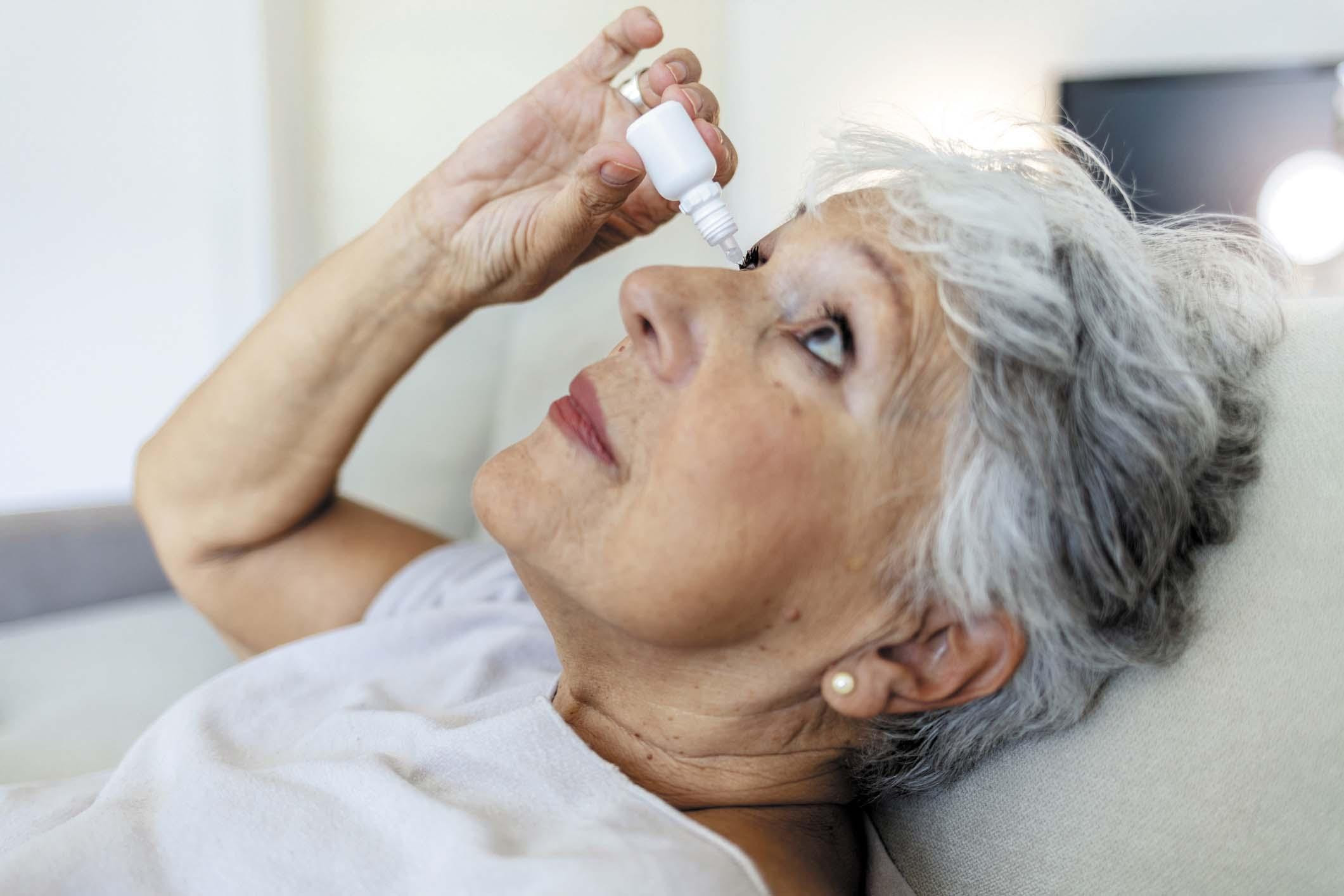
Can eye drops restore your close-up vision?
Prescription eye drops, such as pilocarpine hydrochloride (Vuity, Qlosi) and aceclidine (VIZZ), can ease blurry close-up vision that occurs in middle and older age. The eye drops temporarily shrink the eye's pupil, which focuses light and makes near vision sharper. The eye drops are considered generally safe to use daily or occasionally, depending on preference. However, they can have side effects, such as dim vision and headaches. In rare cases, they might cause retinal problems.
How cognitive behavioral therapy can help men
Men who could benefit from therapy often resist it because it carries a negative stigma for them and they feel uncomfortable about seeking help. For these individuals, cognitive behavioral therapy (CBT) may be an option. Many men find CBT appealing because it is short-term, structured, and focused on current issues. CBT is regularly used to treat depression and anxiety disorders, but it can help with managing other common ailments, such as insomnia, chronic pain, irritable bowel syndrome, chronic fatigue syndrome, fibromyalgia, and migraines.

The new blood pressure guidelines: What you need to know
The 2025 blood pressure guidelines recommend starting drugs to treat hypertension if people don't meet blood pressure goals after three to six months of lifestyle changes. The guidelines also recommend that everyone with high blood pressure be screened for primary aldosteronism, and suggest that people with resistant hypertension (stubbornly high blood pressure) consider renal denervation, a procedure that disrupts some of the nerves around the arteries supplying blood to the kidneys.

How does prostate cancer treatment affect mental health?
The long-term outlook for men diagnosed with prostate cancer continues to improve. These medical advances, however, have also drawn attention to the mental health challenges many survivors encounter. It's still common for survivors to struggle with loss of masculine self-esteem and changes in body image.
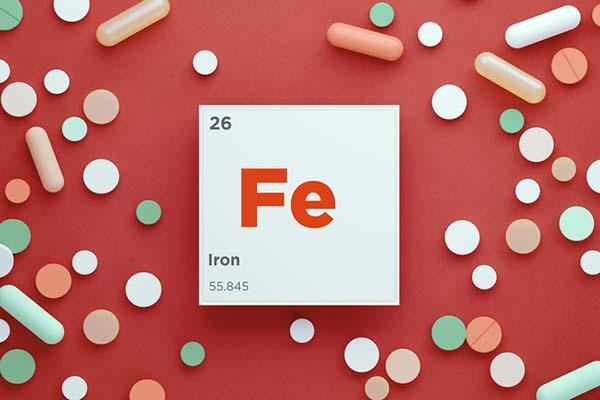
Should women over 60 take iron supplements? What you need to know
Women over 60 need less iron than they did before menopause, when they lost iron through menstruation. Many conditions can lead to iron loss and iron-deficiency anemia, when the body can’t make enough red blood cells to properly carry oxygen throughout the body. Signs of iron deficiency include pale skin, fatigue, shortness of breath, weight loss, and chest pain. Tests can reveal iron deficiency and underlying reasons for iron loss. People should not take iron supplements without checking with their doctor. Too much iron can damage organs.
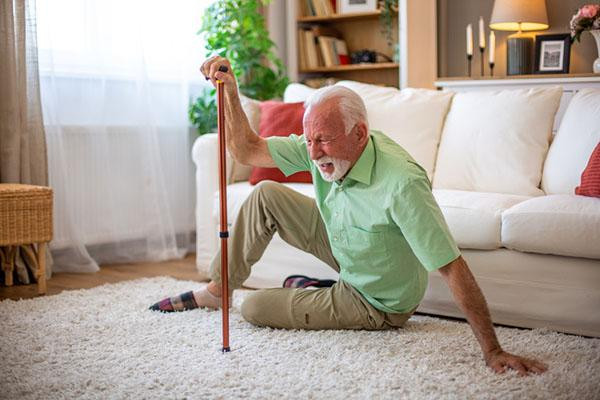
4 types of medication that may increase your chance of falling
Four classes of drugs commonly prescribed to older adults-opioids, benzodiazepines, gabapentinoids, and antidepressants-may be driving the dramatic rise in deadly falls over the past three decades. Known as fall risk-increasing drugs (FRIDs), these drug classes affect brain function and can make people feel sleepy, dizzy, or confused-all of which can leave them vulnerable to falling. People currently taking these drugs shouldn't stop taking them abruptly, as doing so may cause withdrawal symptoms. People should ask their primary care clinician to review all their medications at least once a year.
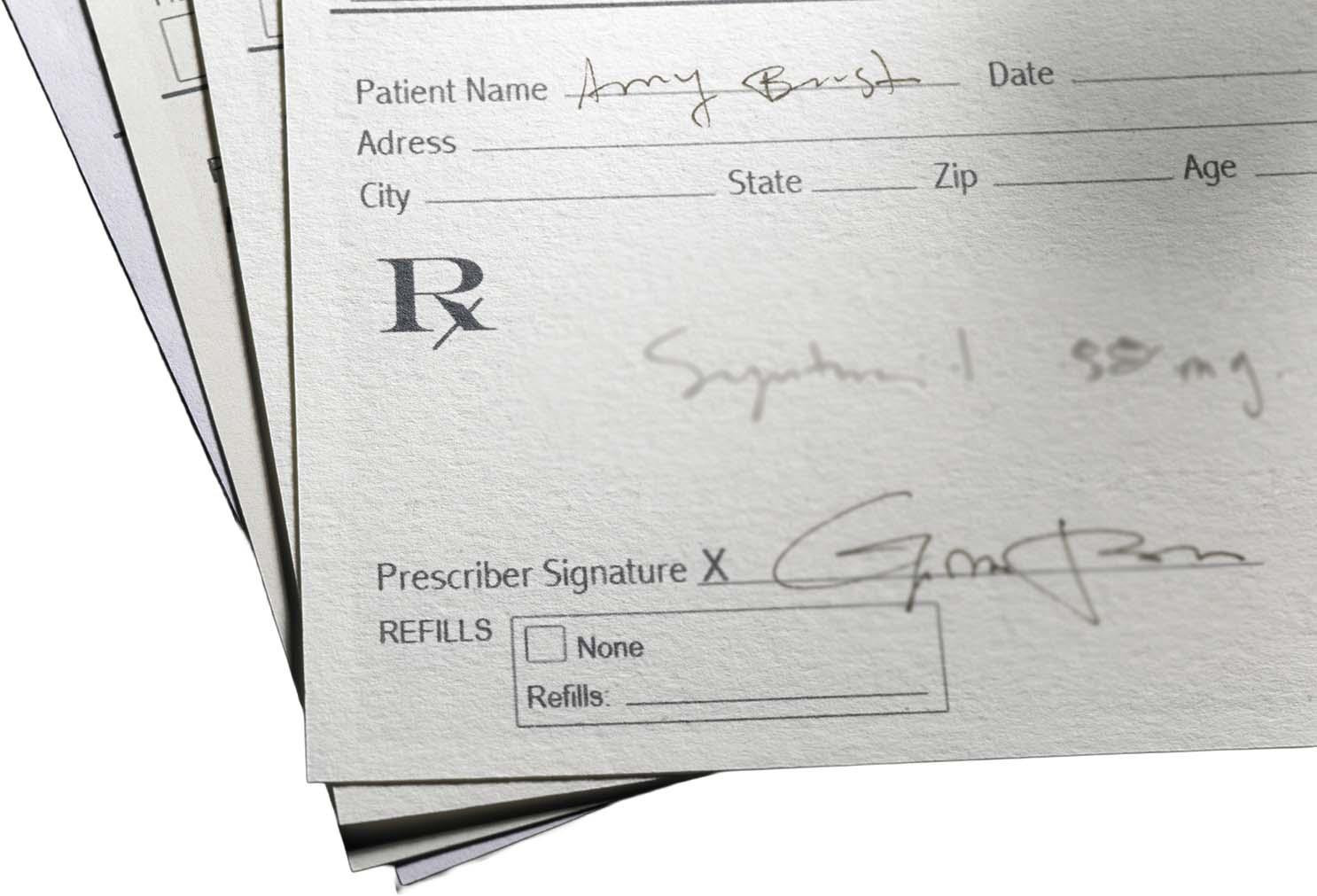
Urgent care clinics linked to unnecessary prescriptions
A 2025 study suggests that urgent care clinics frequently prescribe prescription medications inappropriately for conditions such as ear infections, bronchitis, sprains or strains, or digestive discomfort.

The complicated risks of simple cold remedies
Over-the-counter cold remedies can be helpful, but they must be carefully considered before use. They contain drugs that can cause serious side effects, interact with other medications, and worsen certain health conditions. For example, decongestants can help ease a stuffy nose but also can increase blood pressure and heart rate. And cough suppressants can help someone stop coughing, but taking too much can cause dizziness, confusion, or even changes in mood or thinking.

Can nicotine patches promote weight loss?
No evidence suggests that nicotine patches promote weight loss. Nicotine suppresses appetite but also raises health risks such as high blood pressure and narrowed arteries. People can talk to a doctor about medically supervised weight loss.
Whole grains may improve several heart risk factors at once
Light exposure at night may raise risk for heart disease
Children of centenarians may stay healthier and live longer too, study finds
A lumbar belt may help ease low back pain
Signs of pneumonia: Sometimes vague and unexpected
Using a vibration plate: What it can — and can't — do for your body
The surprising link between ovarian cancer and the fallopian tubes
People who walk more or walk faster live longer, study finds
Rosacea treatments: What works?
For sleep apnea, a dental device may be as effective as CPAP
Free Healthbeat Signup
Get the latest in health news delivered to your inbox!
Sign Up
