

Whole grains may improve several heart risk factors at once

Light exposure at night may raise risk for heart disease

Children of centenarians may stay healthier and live longer too, study finds

A lumbar belt may help ease low back pain

Signs of pneumonia: Sometimes vague and unexpected

Using a vibration plate: What it can — and can't — do for your body

The surprising link between ovarian cancer and the fallopian tubes

People who walk more or walk faster live longer, study finds

Rosacea treatments: What works?

For sleep apnea, a dental device may be as effective as CPAP
Integrative therapies Archive
Articles

People with Lp(a) gene variant may benefit from daily aspirin
An inexpensive blood test that checks for a genetic variant of Lp(a)-a fatty particle similar to LDL cholesterol-may help clarify who might benefit from a daily low-dose aspirin, according to a 2025 review of study findings.
Will we ever have a vaccine to prevent Alzheimer's disease?
There are currently nine trials of vaccines for Alzheimer's disease under way. All of them are in people with mild Alzheimer's or with the pre-Alzheimer's condition called mild cognitive impairment. All of the vaccines are designed to encourage the immune system to remove protein deposits from the brain. Most experimental vaccines are given by injection; one being tested at Harvard Medical School uses a nasal spray. It will be several years before we know if any of them will work.


4 questions to ask before you get anesthesia
The four types of anesthesia include local anesthesia, regional anesthesia, monitored anesthesia, and general anesthesia. Before getting anesthesia, one should ask the doctor which type of anesthesia will be administered, what its risks are, and if delirium is a high risk. One should also ask how to prepare for anesthesia in the days leading up to a procedure-whether medications might need to be temporarily halted, when to stop eating or drinking before surgery, and whether to schedule measures to help reduce delirium.
A new approach to peripheral artery disease
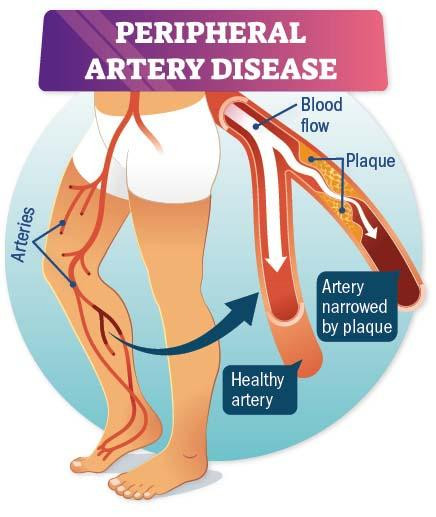
A 2025 randomized controlled trial found that GLP-1 receptor agonists, the blockbuster drugs approved to treat diabetes and obesity, boosted the walking ability of people with diabetes and peripheral artery disease (PAD) in the legs. The news is encouraging, since there are few effective treatments for PAD-reduced blood flow in the limbs that leads to pain with activity. However, it will take more evidence before doctors feel comfortable prescribing GLP-1s if a person only has PAD.

Second-guessing symptoms
While many health symptoms resolve quickly on their own, others linger and make people wonder if they need to see a doctor. Symptoms that warrant a doctor's visit include drawn-out cold symptoms such as fatigue, cough, and low-grade fever; a fever lasting more than four days; unexpected symptoms when starting a new medication or after surgery; certain digestive problems; and new or worsening mental health issues.

Diabetes and obesity drug shows promise for fatty liver disease
Semaglutide, a GLP-1 agonist used to treat diabetes and obesity, may also help people with metabolic dysfunction-associated steatohepatitis, a severe stage of fatty liver disease, suggests a 2025 study.


Topical painkillers for sprains and strains
Topical painkillers might be safer than pills to relieve discomfort from muscle strains (like a pulled hamstring) or ligament sprains (like a sprained ankle). This is because topicals target the area of pain. As a result, other parts of the body are exposed to lower levels of medicine. That's important, since some painkillers, such as nonsteroidal anti-inflammatory drugs (NSAIDs), can pose severe risks-such as heart attack and stroke.

Harvard and CDC study: Serious side effects from semaglutide are uncommon
In a 2025 study, researchers estimated that fewer than four emergency department visits attributed to semaglutide (Ozempic, Wegovy) occurred for every 1,000 patients taking the drug in 2022 and 2023. Most of the visits were related to gastrointestinal problems.
Whole grains may improve several heart risk factors at once
Light exposure at night may raise risk for heart disease
Children of centenarians may stay healthier and live longer too, study finds
A lumbar belt may help ease low back pain
Signs of pneumonia: Sometimes vague and unexpected
Using a vibration plate: What it can — and can't — do for your body
The surprising link between ovarian cancer and the fallopian tubes
People who walk more or walk faster live longer, study finds
Rosacea treatments: What works?
For sleep apnea, a dental device may be as effective as CPAP
Free Healthbeat Signup
Get the latest in health news delivered to your inbox!
Sign Up
