

Whole grains may improve several heart risk factors at once

Light exposure at night may raise risk for heart disease

Children of centenarians may stay healthier and live longer too, study finds

A lumbar belt may help ease low back pain

Signs of pneumonia: Sometimes vague and unexpected

Using a vibration plate: What it can — and can't — do for your body

The surprising link between ovarian cancer and the fallopian tubes

People who walk more or walk faster live longer, study finds

Rosacea treatments: What works?
For sleep apnea, a dental device may be as effective as CPAP
Integrative therapies Archive
Articles
Can levothyroxine-related insomnia go away after adjusting the dose?
People on levothyroxine sometimes notice trouble sleeping, raising concerns about how long it will persist and whether dose changes could improve rest.

How to save money on medication
Prescription drug prices have risen dramatically over the past three decades. People can save money on medications by exploring drug discount programs, buying in bulk, comparing pharmacy prices, checking out direct-to-consumer drug platforms, and comparing store brands.

PRP injection for knee osteoarthritis: Does it work?
Platelet-rich plasma (PRP) injections use concentrated platelets from your blood to treat mild to moderate knee osteoarthritis. Research and guidelines support the use of PRP injections when pain and other symptoms persist despite exercise, physical therapy, and use of pain medications.
Peptides: What they are, potential benefits, and safety concerns
Peptides are the building blocks of proteins that play key roles for health. But the benefits and risks of supplementing with injectable peptides, which are popular on social media, are largely unknown.

Which medicines and supplements can interact with Crestor?
Crestor can be affected by common drugs, from antacids to blood thinners and antivirals. See which medicines and vitamins need extra caution.
Do you still need your thyroid medication?
Diagnosing hypothyroidism can be tricky because typical symptoms (such as fatigue and trouble losing weight) have many other possible causes. Some people treated for hypothyroidism may be able to safely stop treatment with close medical monitoring.
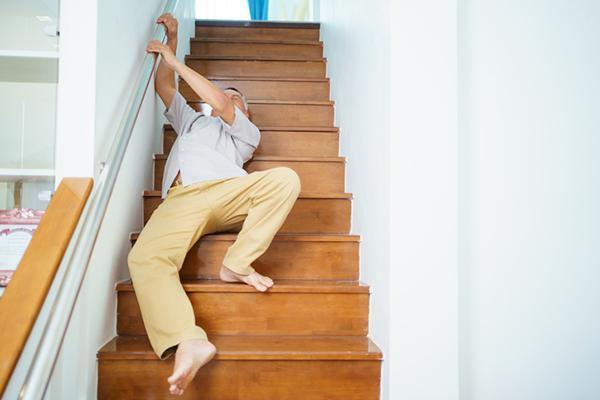
Medication side effects that can mimic "getting older"
Some prescription and over-the-counter drugs produce side effects that resemble problems tied to aging, such as memory lapses, balance issues, or fatigue. Older adults are more sensitive to medication side effects because their body composition and metabolism change.

Ways to maximize your energy
People’s energy levels typically decrease later in life as a result of aging, illness, or other factors. Fortunately, a healthier lifestyle can boost energy. That involves eating a diet low in added sugars and processed foods, getting seven to nine hours of sleep each night, managing stress, getting lots of aerobic exercise, and strengthening the muscles. Using physical energy frugally is another useful strategy. For example, it helps to perform activities at a slow, steady pace instead of a fast pace; to break activities into small tasks instead of one large job; and to rest between tasks.

Is your medication killing your sex drive?
Low libido can include both less desire for and less satisfaction with sex. A variety of medications can dampen sex drive by altering hormone levels or nerve signals, dulling sensation in the genitals, or triggering fatigue or mood changes. They include some antidepressants, cardiovascular drugs, antihistamines, antiseizure drugs, opioids, chemotherapy, hormone blockers, oral contraceptives, and fertility drugs. People whose medications affect their libido can ask their doctor to adjust the dose or timing or substitute another drug without sexual side effects.
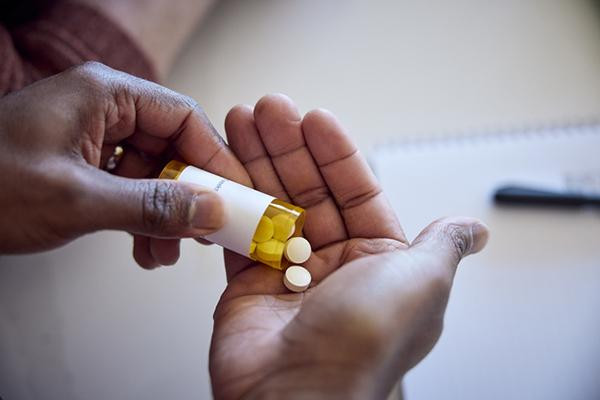
Oral side effects of common medications
Many common medications can affect oral health, causing issues like dry mouth, taste changes, gum swelling, mouth sores, or thrush. Patients should check side effects on medication labels, report persistent symptoms, review medications annually, and keep up with regular dental visits.
Whole grains may improve several heart risk factors at once
Light exposure at night may raise risk for heart disease
Children of centenarians may stay healthier and live longer too, study finds
A lumbar belt may help ease low back pain
Signs of pneumonia: Sometimes vague and unexpected
Using a vibration plate: What it can — and can't — do for your body
The surprising link between ovarian cancer and the fallopian tubes
People who walk more or walk faster live longer, study finds
Rosacea treatments: What works?
For sleep apnea, a dental device may be as effective as CPAP
Free Healthbeat Signup
Get the latest in health news delivered to your inbox!
Sign Up
