

CoQ10: Should you take this popular supplement if you're on a statin?

Oat vs. dairy milk: Nutrition, benefits, and downsides

Microplastics: A hidden health threat?

Healing after food poisoning

What is tempeh? Benefits, nutrition, and how to use it

Light exposure at night may raise risk for heart disease

Whole grains may improve several heart risk factors at once

A lumbar belt may help ease low back pain

Children of centenarians may stay healthier and live longer too, study finds

Signs of pneumonia: Sometimes vague and unexpected
Healthy aging and longevity Archive
Articles

How to ease the transition when you move to assisted living
Participating in activities is a good way to meet your new neighbors in an assisted living facility. Choose activities that you find interesting, or go on an outing with the group. |
Paying attention to your emotions and taking part in activities can help the move go smoothly.

Spicy foods associated with longer life, Harvard researchers find
Image:Thinkstock |
There's no magic pill you can swallow to make you live longer, but what about food? A study from the Harvard School of Public Health published Aug. 4, 2015, in BMJ found that people who ate spicy foods almost every day had a 14% lower risk of death than people who ate spicy foods once a week. Researchers evaluated the health and diet information of almost 500,000 people in China from 2004 to 2008, then followed up with them a few years later. The study was observational, so it didn't show that spicy foods caused people to live longer, only that people who regularly ate spicy food—especially food with fresh and dried chili peppers—were less likely to have died during the study period than those who ate spicy food less frequently. "Some evidence from other studies suggests the bioactive ingredients in spicy foods such as capsaicin may lower 'bad' cholesterol and triglycerides and improve inflammation," says study author Dr. Lu Qi.
If you'd like to add more chili pepper to your diet, stick with something healthy, such as turkey chili or lentil pilaf, and skip the greasy tacos. But be careful: spicy foods may trigger an increase in gastric acid in some people, causing heartburn.
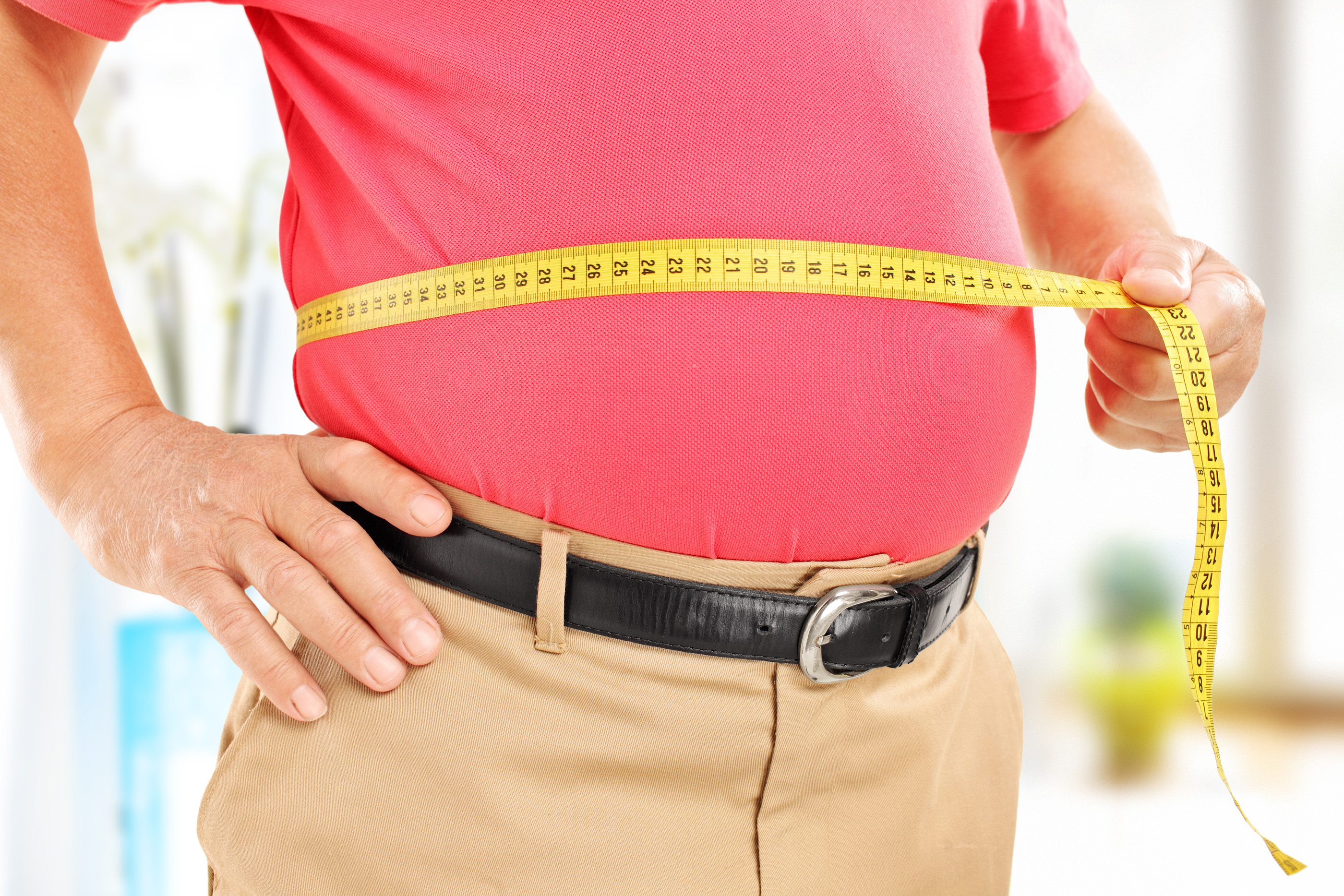
Too little sleep and too much weight: a dangerous duo
Americans are sleeping less and weighing more. Science tells us this is no coincidence. Inadequate sleep can contribute to weight gain in several ways, including altering levels of the hormones that control appetite and fullness and setting off a chain reaction of poor habits that can increase the risk of weight gain and obesity. Sleep is proving to be as important to health as good nutrition and regular exercise.



Improve your health by starting with one simple change
Increase your fruit and vegetable intake by sneaking a few servings into omelets, snacks, and sandwiches. You can also add a side salad at lunch or dinner. Image: Bigstock |
Resolving to try something for a week, such as walking or eating more vegetables, may soon turn into a lifestyle change you can sustain.

Should you go organic?
Organic produce may have fewer pesticide residues than conventionally grown produce. But the amounts for both are within the levels for safe consumption. Image: Thinkstock |
These foods are grown without fertilizers, pesticides, and other synthetic additives. But are they better for you?
Walk through any grocery store today, and you'll likely see more shelf space devoted to organics—foods that are grown without most synthetic fertilizers and pesticides, and animal products that are free of antibiotics and hormones. Demand for organic food is up, with sales reaching $35.9 billion in 2014. "I think people believe these foods are better for them, but we really don't know that they are," says registered dietitian Kathy McManus, director of the Department of Nutrition at Harvard-affiliated Brigham and Women's Hospital.

Tips for evaluating hospitals
Hospital rankings from magazines and websites base their evaluations on performance measures such as patient safety, survival, technology, and readmission rates. Image: Thinkstock |
Your doctor will make the call, but you can stay informed about the hospital you're admitted to through patient reviews, independent rankings, and satisfaction surveys.

Frequent nighttime urination
Having to rise from bed to hit the bathroom even once can be bothersome if it disturbs your sleep rhythm. Image: Thinkstock |
Repeated nocturnal bathroom calls are bothersome, but self-help steps and targeted treatment offer relief.

Savor the gifts of the aging mind
| Images: Thinkstock |
With aging, the body and mind change—but it's not all bad.
Aging brings physical changes and a greater risk of health problems—no one needs to tell you that. The mind changes too, and we grumble about things like increased forgetfulness. But the aging mind bestows some gifts, too.
CoQ10: Should you take this popular supplement if you're on a statin?
Oat vs. dairy milk: Nutrition, benefits, and downsides
Microplastics: A hidden health threat?
Healing after food poisoning
What is tempeh? Benefits, nutrition, and how to use it
Light exposure at night may raise risk for heart disease
Whole grains may improve several heart risk factors at once
A lumbar belt may help ease low back pain
Children of centenarians may stay healthier and live longer too, study finds
Signs of pneumonia: Sometimes vague and unexpected
Free Healthbeat Signup
Get the latest in health news delivered to your inbox!
Sign Up
