

CoQ10: Should you take this popular supplement if you're on a statin?

Oat vs. dairy milk: Nutrition, benefits, and downsides

Microplastics: A hidden health threat?

Healing after food poisoning

What is tempeh? Benefits, nutrition, and how to use it

Light exposure at night may raise risk for heart disease

Whole grains may improve several heart risk factors at once

A lumbar belt may help ease low back pain

Children of centenarians may stay healthier and live longer too, study finds

Signs of pneumonia: Sometimes vague and unexpected
Healthy aging and longevity Archive
Articles

5 ways to ward off cancer
Being overweight raises the risk of developing cancer. You can reduce that risk if you maintain a normal body mass index. Image: Thinkstock |
There's no guarantee you can prevent cancer, but you can reduce the risk of developing it by making lifestyle changes.

The benefits of vitamin supplements
Most people do not need to take vitamin supplements, but in some situations, taking the pills may provide health benefits. |
Ask the doctor
Q. Are vitamin supplements (like vitamin D) good for your health, and can you tell me who might benefit from taking the pills?

Restructure your day to get a better night's sleep
Consistency in your schedule may help restore patterns of sleep and waking so you can get needed rest.
Image: Thinkstock
Wake up at the same time every day. Waking time is the anchor for your circadian sleep rhythm.
The free time that accompanies your older years may allow you to keep any schedule you like: sleep late one day or wake up early the next. But that lack of structure can have a negative impact on your sleep. “I see a fair number of people who say their sleep was better when they were working, but after retirement it becomes more disrupted,” says sleep specialist Dr. Cynthia Dorsey, assistant professor of psychology in Harvard Medical School’s psychiatry department.

The benefits and risks of rediscovering your favorite sport
Playing a sport in our older years is great exercise. But before stepping onto a playing eld, make sure to address physical limitations. |
Competition is great for older adults, but don't skip training camp before your season starts.

Wag more: A tale of healthy living
Animal companions offer emotional,social, and health benefits to their humans. Research suggests that dog owners are more likely to meet recommended physical activity goals and tend to have lower blood pressure than people who don't have dogs. |
Canine companionship yields heartfelt benefits for many people.
Sometime around the Stone Age, a few docile wolves crept out of the woods to warm themselves by the human campfire. The rest, as they say, is history. Today, nearly half of U.S. households include at least one canine family member. For most owners, the responsibilities and costs are easily outweighed by the unmatched love and devotion that dogs can offer.

Mediterranean diet: Good for your mind and your heart
Plant-based compounds known as polyphenols are plentiful in the Mediterranean diet, which may explain its health benefits. |
Extra-virgin olive oil and nuts seem to contribute to the benefits.

Moderate drinking may harm older people's hearts
A drink or two a day has long been touted as beneficial for the heart. But new research suggests that for older people, even moderate drinking may cause worrisome changes in the heart's structure and function. Moderate drinking is defined as a drink per day for women and two drinks a day for men.
The study included nearly 4,500 adults with an average age of 76 years. They drank varying amounts of alcohol, ranging from none to 14 or more drinks per week. Researchers looked at the size, structure, and function of different parts of their hearts using cardiac imaging techniques.
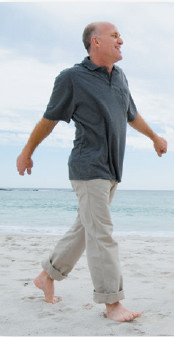
Ask the doctor: Stretching before exercise
Q. Should I stretch before or after my workout to help prevent muscle injuries and soreness? I've gotten conflicting advice on this.
A. We all remember the importance placed on stretching in our high school physical education classes. However, recent expert opinion has moved away from static stretching before activity and toward a gradual and active warm-up period before exercise. Stretching a healthy muscle before exercise does not prevent injury or soreness.
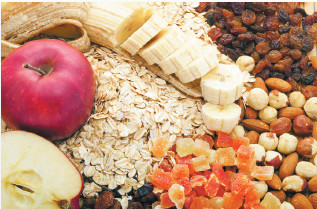
How to sneak in more dietary fiber
A fiber-rich diet includes a variety of fruits, vegetables, and whole grains. Image: Thinkstock |
Meeting fiber goals improves overall nutrition and helps with regularity, even without dramatic dietary changes.

Ask the doctor: Are supplements good for health?
Q. Why can't doctors decide if vitamin supplements are good for your health, or not?
A. You might think that it would be simple for doctors to determine if vitamin supplements are good for your health. Alas, it's not. Here's why.
CoQ10: Should you take this popular supplement if you're on a statin?
Oat vs. dairy milk: Nutrition, benefits, and downsides
Microplastics: A hidden health threat?
Healing after food poisoning
What is tempeh? Benefits, nutrition, and how to use it
Light exposure at night may raise risk for heart disease
Whole grains may improve several heart risk factors at once
A lumbar belt may help ease low back pain
Children of centenarians may stay healthier and live longer too, study finds
Signs of pneumonia: Sometimes vague and unexpected
Free Healthbeat Signup
Get the latest in health news delivered to your inbox!
Sign Up
