

CoQ10: Should you take this popular supplement if you're on a statin?

Oat vs. dairy milk: Nutrition, benefits, and downsides

Microplastics: A hidden health threat?

Healing after food poisoning

What is tempeh? Benefits, nutrition, and how to use it

Light exposure at night may raise risk for heart disease

Whole grains may improve several heart risk factors at once

A lumbar belt may help ease low back pain

Children of centenarians may stay healthier and live longer too, study finds

Signs of pneumonia: Sometimes vague and unexpected
Healthy aging and longevity Archive
Articles

Ways to keep your relationship strong
Spend time doing activities |
Give your relationship a tune-up by assessing strengths, letting go of disappointments, and doing things together.
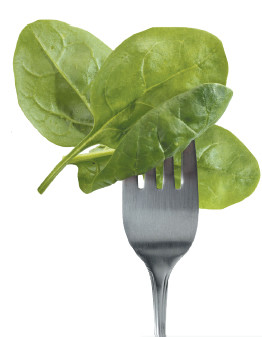
Add more nutrient-dense foods to your diet
Foods such as kale, cantaloupe, and quinoa can boost the amount of nutrients you consume without increasing calories.
Getting enough nutrients through diet is challenging as we age. Our bodies don't absorb nutrients as well as they once did, yet we tend to need fewer calories and eat less. So it's important to make the most out of the foods we do eat. One way is by choosing more nutrient-dense foods, which provide more nutrition bang for the calorie buck. "They contain an abundance of nutrients and other healthful substances—vitamins and minerals, fiber, lean protein, and unsaturated fats—but are not excessive in calories. This is compared with foods of low nutrient density that are high in calories," says Liz Moore, a registered dietitian at Harvard-affiliated Beth Israel Deaconess Medical Center.

Why your annual check-up is still important to your health
The annual visit helps to sustain your relationship with your clinician and personalize your health care. Image: Thinkstock |
Although health experts are giving us fewer reasons to see the doctor every year, there are many benefits to doing so.

Snoring solutions
Simple changes can help to turn down the volume.
If your wife or sleep partner often seems bleary-eyed and resentful in the morning, you may be one of the millions of adults who snore habitually—a condition that affects twice as many men as women. Snoring occurs when your upper airways narrow too much, causing turbulent airflow. This, in turn, makes the surrounding tissues vibrate, producing noise.
"Snoring is a sign that there is a really narrowed space," says Dr. Sanjay Patel, a sleep disorder specialist at Harvard-affiliated Beth Israel Deaconess Medical Center. "That happens either in your nasal passages or in the back of your throat." Some men are snorers because they have excess throat and nasal tissue. Others have floppy tissue that's more likely to vibrate. The tongue can also get in the way of smooth breathing.

A pill-free way to fight insomnia
It appears that cognitive behavior therapy may help people with chronic insomnia and no underlying medical problems fall asleep faster.
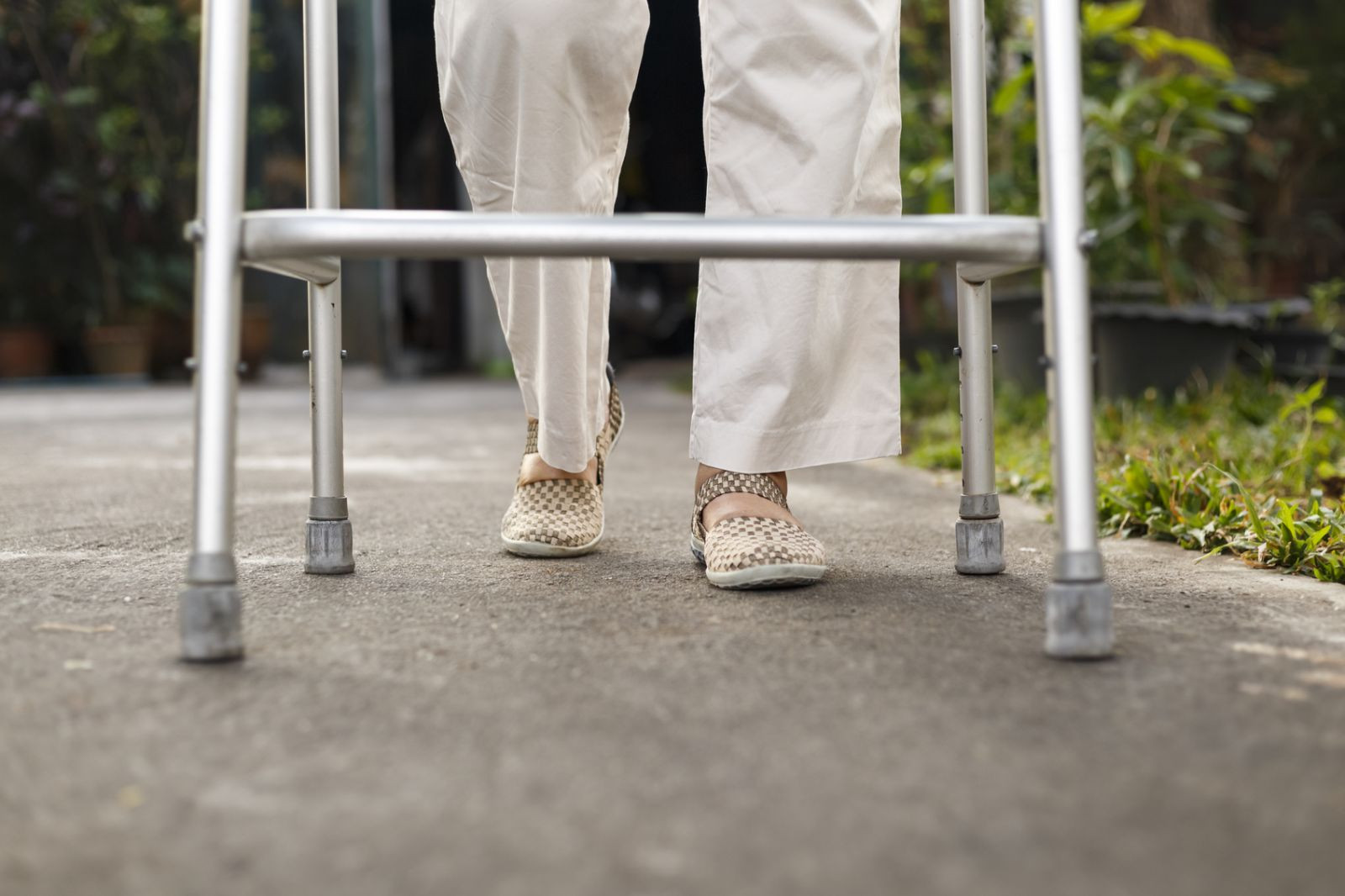
Protect your mobility
Mobility — the ability to move purposefully around your environment — is vitally important to health and well-being.
Nearly one-third to one-half of adults ages 65 and older experience impaired mobility. At first, it may not seem like a big deal — many people with impaired mobility learn to just move a little more slowly and a little more deliberately. Some people work around the problem by relying on a cane or walker.

Insomnia therapy helps reduce knee pain
Painful knees and sleeplessness often go hand in hand, but a form of counseling called cognitive behavioral therapy (CBT) can help with both problems, according to a study in Arthritis and Rheumatology.
The study involved 100 people ages 50 to 70 with wear-and-tear arthritis (osteoarthritis) in the knee as well as insomnia. They were chosen at random for either eight sessions of CBT or a comparison treatment, called desensitization therapy, known not to be very effective for insomnia.

How a sleep shortfall can stress your heart
Getting less than six hours of sleep on a regular basis can boost levels of stress hormones, which can strain your cardiovascular system. |
Find out if your sleeping habits put you at risk—and what to do about it.

Sugary drinks may raise levels of harmful blood fats
Drinking sodas and other beverages sweetened with high-fructose corn syrup may boost levels of harmful LDL cholesterol and triglycerides in your blood, according to a study in the June 2015 American Journal of Clinical Nutrition.
Researchers assigned 85 healthy adults to four different groups. One group drank beverages containing the artificial sweetener aspartame, while the others drank beverages sweetened with various percentages (10%, 17.5%, and 25%) of high-fructose corn syrup. After two weeks, LDL cholesterol levels held steady in people who drank aspartame-sweetened drinks. But among those who drank beverages with high-fructose corn syrup, LDL cholesterol rose in tandem with the percentage of sweetener.
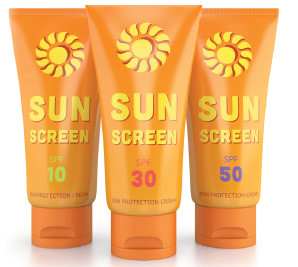
Protect your skin from the sun
A strong sunscreen and sun-protective clothing can help keep you safe this summer and every day of the year.
With summer here, it's time to reach for the sunscreen. But not everyone is convinced that skin protection is a necessity. "Older adults grew up at a time when unprotected skin exposure wasn't a cardinal sin, and many I talk to think a little sun is good for them. But older adults are actually at an increased risk for skin cancer, since their skin is no longer able to repair damage as efficiently as it once did," says Dr. Oon Tan, a dermatologist at Harvard-affiliated Massachusetts Eye and Ear Infirmary.
CoQ10: Should you take this popular supplement if you're on a statin?
Oat vs. dairy milk: Nutrition, benefits, and downsides
Microplastics: A hidden health threat?
Healing after food poisoning
What is tempeh? Benefits, nutrition, and how to use it
Light exposure at night may raise risk for heart disease
Whole grains may improve several heart risk factors at once
A lumbar belt may help ease low back pain
Children of centenarians may stay healthier and live longer too, study finds
Signs of pneumonia: Sometimes vague and unexpected
Free Healthbeat Signup
Get the latest in health news delivered to your inbox!
Sign Up
