

CoQ10: Should you take this popular supplement if you're on a statin?

Oat vs. dairy milk: Nutrition, benefits, and downsides

Microplastics: A hidden health threat?

Healing after food poisoning

What is tempeh? Benefits, nutrition, and how to use it

Light exposure at night may raise risk for heart disease

Whole grains may improve several heart risk factors at once

A lumbar belt may help ease low back pain

Children of centenarians may stay healthier and live longer too, study finds

Signs of pneumonia: Sometimes vague and unexpected
Healthy aging and longevity Archive
Articles
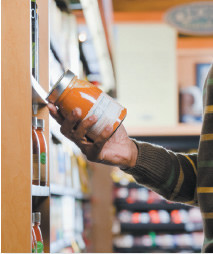
Not all processed foods are unhealthy
Don't be misled by well-intentioned advice. Some processed foods offer nutritional value and convenience.
Nutrition gurus often urge us to spurn processed foods in favor of whole ones. But not all processed foods are necessarily bad. "Most food needs to go through some sort of processing for it to even be edible and digestible," says Stacey Nelson, a registered dietitian and manager of clinical nutrition at Harvard-affiliated Massachusetts General Hospital. "The minute you cook something, you are processing it."

Preventing ingrown toenails
An ingrown toenail is one of the most common sources of foot pain. Although it's usually just a nuisance, it can be a serious problem for anyone with diabetes or circulatory difficulties.
An ingrown toenail develops when the side of the nail digs into the skin. This can lead to pain, irritation, swelling, and redness. The big toe is most often affected, although no toe is immune. The problem usually develops because the nails have not been trimmed properly. Overly tight shoes may also be a factor. Some people have an inherited tendency to develop the problem.
10 tips for finding the right shoes
When shopping for shoes, you want to have more than fashion in mind — you'll also want to consider function and keeping your feet in good shape. These 10 tips can help you choose the right shoes:
- Take a tracing of your foot with you. Place any shoe you think you might buy on top of the tracing. If the shoe is narrower or shorter than the tracing, don't even try it on.
- Shop for shoes during the afternoon — your foot naturally expands with use during the day.
- Wear the same type of socks to the store that you intend to wear with the shoes.
- Have a salesperson measure both of your feet — and get measured every time you buy new shoes. Feet change with age, often growing larger and wider. If one foot is larger than the other, buy a size that fits the larger foot.
- Stand in the shoes. Press gently on the top of the shoe to make sure you have about a half-inch of space between your longest toe and the end of the shoe. This provides enough room for your foot to press forward as you walk. Wiggle your toes to make sure there's enough room.
- Walk around in the shoes to determine how they feel. Is there enough room at the balls of the feet? Do the heels fit snugly, or do they pinch or slip off? Don't rationalize that the shoes just need to be "broken in." Find shoes that fit from the start.
- Trust your own comfort level rather than a shoe's size or description. Sizes vary between manufacturers. And no matter how comfortable an advertisement claims those shoes are, you're the real judge.
- Pay attention to width as well as length. If the ball of your foot feels compressed in a particular shoe, ask if it comes in a wider size. Buying shoes that are a half-size bigger — but not any wider — won't necessarily solve the problem.
- Feel the inside of the shoes to see if they have any tags, seams, or other material that might irritate your foot.
- Examine the soles. Are they sturdy enough to provide protection from sharp objects? Do they provide any cushioning? Take note of how they feel as you walk around the shoe store. Try to walk on hard surfaces as well as carpet to see how the shoe feels on both.
For more advice on keeping your feet pain-free, buy Healthy Feet, a Special Health Report from Harvard Medical School.
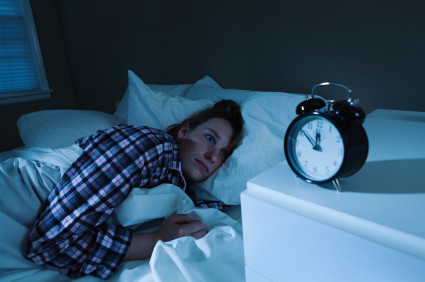
Cognitive behavioral therapy offers a drug-free method for managing insomnia
Many people with insomnia turn to sleeping pills, which often have unwanted side effects. Few of them know about an equally effective therapy that targets the root cause of insomnia without medications. Called cognitive behavioral therapy for insomnia, or CBT-i, this short-term talk therapy teaches people to change the unproductive thinking patterns and habits that get in the way of a good night’s sleep. While this therapy can’t “cure” insomnia, it does provide tools to better manage it. In a review article in this week’s Annals of Internal Medicine, researchers found that people treated with CBT-i fell asleep almost 20 minutes faster and spent 30 fewer minutes awake during the night compared with people who didn’t undergo CBT-i. These improvements are as good as, or better than, those seen in people who take prescription sleep medications such as zolpidem (Ambien) and eszopiclone (Lunesta). And unlike medications, the effects of CBT-i last even after the therapy ends.

Attention caregivers: Making use of helpful services
Being a caregiver for an ailing parent, spouse, child, or other loved one can feel like a lonely undertaking. It needn't, even if you don't have family nearby to pitch in. Help for caregivers is available from various organizations. Once you learn what's available, it may be easier to chart a less-demanding course toward meeting the needs of your spouse, relative, or friend.
Here are some types of services and professionals you might want to investigate.
Two ways to stay mentally sharp
Regular physical activity helps keep your heart, lungs, and muscles in shape and can stave off the effects of aging. In much the same way, exercising your brain can help keep your mind sharp and your memory intact. Here are two ways to activate your brain.
Keep busy and engaged
The MacArthur Foundation Study on Successful Aging, a long-term study of aging in America, found that education level was the strongest predictor of mental capacity as people aged. The more education, the more likely an individual was to maintain his or her memory and thinking skills. Other research has shown that people who held jobs that involved complex work, such as speaking to, instructing, or negotiating with others, had a lower risk of memory loss (dementia) than people whose jobs were less intellectually demanding.

Scientifically proven diets that work
Heart-healthy diets emphasize fruits and vege-tables as a major source of daily calories. Images: Thinkstock |
Substantial research proves the Mediterranean and DASH eating plans offer important health benefits for men.

Ask the doctor: Vitamin C for health?
Q. Whatever happened to the idea that taking vitamin C could boost your immune system and prevent colds? Is there still a possibility it could work?
A. Vitamin C, also known as ascorbic acid, was promoted as a health supplement for decades, achieving its greatest renown in the 1970s through the writings of scientist Linus Pauling. Despite the excitement about its natural antioxidant function, vitamin C does not appear to prevent colds, and its ability to shorten the duration of colds is minimal. A recent summary of 29 studies involving more than 10,000 people confirmed the lack of benefit of regular vitamin C supplementation.

Iron and your health
If you feel run-down, lack of iron is probably not the cause. You can easily get enough of this key mineral in your diet.
Decades ago, advertising for the liquid vitamin and mineral supplement Geritol warned against "iron-poor, tired blood." It's a reference to the fact that red blood cells need iron to make hemoglobin, the molecule that grabs oxygen and transports it around the body.
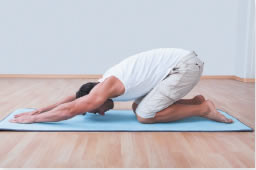
Yoga offers range of health benefits
In yoga, you assume a series of postures that build strength and flexibility. Images: Thinkstock |
This ancient practice may support heart health, general fitness, and mental well-being.
CoQ10: Should you take this popular supplement if you're on a statin?
Oat vs. dairy milk: Nutrition, benefits, and downsides
Microplastics: A hidden health threat?
Healing after food poisoning
What is tempeh? Benefits, nutrition, and how to use it
Light exposure at night may raise risk for heart disease
Whole grains may improve several heart risk factors at once
A lumbar belt may help ease low back pain
Children of centenarians may stay healthier and live longer too, study finds
Signs of pneumonia: Sometimes vague and unexpected
Free Healthbeat Signup
Get the latest in health news delivered to your inbox!
Sign Up
