

CoQ10: Should you take this popular supplement if you're on a statin?

Oat vs. dairy milk: Nutrition, benefits, and downsides

Microplastics: A hidden health threat?

Healing after food poisoning

What is tempeh? Benefits, nutrition, and how to use it

Light exposure at night may raise risk for heart disease

Whole grains may improve several heart risk factors at once

A lumbar belt may help ease low back pain

Children of centenarians may stay healthier and live longer too, study finds

Signs of pneumonia: Sometimes vague and unexpected
Healthy aging and longevity Archive
Articles

Good balance requires mental and physical fitness
Balance can't be taken for granted past a certain age; it must be maintained — both in mind and body.
General physical fitness and targeted exercises to improve balance can prevent falls. But so can staying mentally active to maintain brain health. A sharp mind helps you to think — and stay — on your feet.

Regular exercise reduces falls and fractures
Your bone strength and size peaks by age 30. After that, bones tend to become less dense, making them more fragile and subject to breaks. Bone strength in later life depends upon your peak bone mass in youth. An active lifestyle in youth can increase maximum bone density.
Even if you're older, exercise is still a great way to protect your bones. The physical stress placed on bones during exercise stimulates the growth of new bone tissue. The type of exercise you do matters. To bolster your bones, you need to get regular weight-bearing exercise. This includes weight lifting and resistance training, as well as any type of activity that forces you to work against gravity by standing or carrying your body's weight, including running, walking, dancing, and stair climbing. Activities such as swimming or biking aren't weight-bearing and thus don't build bone. Generally, higher-impact activities (such as running) or resistance exercises (such as strength training) have a more pronounced effect on bone than lower-impact exercises, such as walking.
Benefits of flexibility exercises
Activities that lengthen and stretch muscles can help you prevent injuries, back pain, and balance problems.
A well-stretched muscle more easily achieves its full range of motion. This improves athletic performance — imagine an easier, less restricted golf swing or tennis serve — and functional abilities, such as reaching, bending, or stooping during daily tasks. Stretching can also be a great way to get you moving in the morning or a way to relax after a long day. Activities such as yoga combine stretching and relaxation and also improve balance, a wonderful combination.
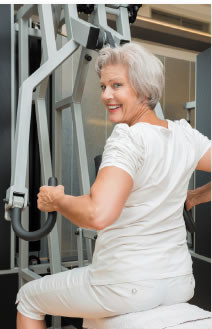
Are you really getting enough exercise?
Resistance machines can provide safe, effective strength training. Image: Thinkstock |
To get the full benefit of your workout, you need to know how hard you're exercising, and that can be different for everyone.

Personalized medicine sounds futuristic, but it's really about your relationship with your doctor
By Anne Fabiny, M.D., Editor in Chief
President Barack Obama recently announced the Precision Medicine Initiative, a new program to speed up discoveries based on information and technology stemming from the Human Genome Project. "Precision medicine" and "personalized medicine" are terms that describe health care tailored to an individual patient's genetic makeup, using information about a patient's genome to diagnose illness and design therapies to treat and cure disease. This approach has been described as "the medicine of the future."
However, it may be reassuring to know that although your doctor doesn't have your genome at hand, he or she is likely to be giving you personalized care as we understand it today.
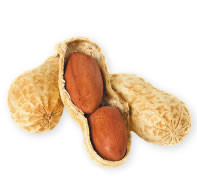
Eating peanuts may extend your life
Health studies rarely involve people on opposite sides of the globe who have very different lifestyles. However, researchers at Vanderbilt Medical School took that approach when they pooled data from dietary studies of 72,000 men and women in the southeastern United States and 135,000 people in Shanghai, China. It turns out that the Americans and Chinese have something in common—they both eat a lot of peanuts—and they may be living longer as a result.
All of the participants filled out detailed questionnaires on the foods they ate regularly. The research team noted that peanuts accounted for 50% of nuts eaten by Americans and almost all the nuts consumed by the Chinese.

The dollars and sense of long-term care
Even if you feel you've saved enough money for the future, it's important to start planning for long-term care now, when you can make sound decisions. Images: Thinkstock |
Why you should plan now for care you may need later.

Ask the doctor: Why am I getting shorter?
After age 40, people lose about half an inch in height with each decade, mainly in the spine. Image: Thinkstock |
Q. Why do people over 60 lose height? I've lost a few inches over the years. Can this be prevented?

Don't just sit there
Stop sitting during TV commercial breaks. Jump up off the couch, and use the time to exercise. Image: Thinkstock |
Easy ways to increase activity and cut down on sedentary time.
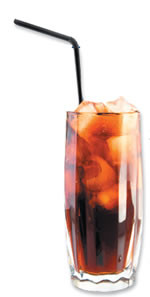
New concerns about diet sodas
They're linked to calorie absorption, high blood pressure, and heart trouble.
For weight-conscious people who love the bite of carbonation and the taste of various soft drinks, the advent of sugar-free sodas 60 years ago seemed a blessing: if there were no calories, you didn't have to worry about weight gain—and the diseases that go along with obesity, like diabetes and heart disease. "But there are growing doubts about whether diet sodas really help people lose weight and avoid diabetes," says Dr. Anthony Komaroff, editor in chief of the Health Letter.
CoQ10: Should you take this popular supplement if you're on a statin?
Oat vs. dairy milk: Nutrition, benefits, and downsides
Microplastics: A hidden health threat?
Healing after food poisoning
What is tempeh? Benefits, nutrition, and how to use it
Light exposure at night may raise risk for heart disease
Whole grains may improve several heart risk factors at once
A lumbar belt may help ease low back pain
Children of centenarians may stay healthier and live longer too, study finds
Signs of pneumonia: Sometimes vague and unexpected
Free Healthbeat Signup
Get the latest in health news delivered to your inbox!
Sign Up
