

CoQ10: Should you take this popular supplement if you're on a statin?

Oat vs. dairy milk: Nutrition, benefits, and downsides

Microplastics: A hidden health threat?

Healing after food poisoning

What is tempeh? Benefits, nutrition, and how to use it

Light exposure at night may raise risk for heart disease

Whole grains may improve several heart risk factors at once

A lumbar belt may help ease low back pain

Children of centenarians may stay healthier and live longer too, study finds

Signs of pneumonia: Sometimes vague and unexpected
Healthy aging and longevity Archive
Articles

The downside of too much sitting
During the day, make an effort to stand rather than sit, when possible. |
Standing up more throughout the day may help you dodge heart disease and live longer.

Weight-loss drugs and your heart
Weight-loss drugs aren't for people hoping to lose just a few pounds. Image: Thinkstock |
Some first-generation diet pills proved risky to the heart. New drugs may have expanded the options for treating obesity.
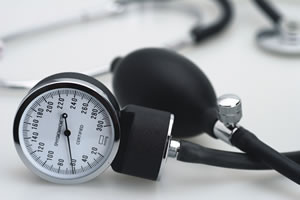
Trouble falling asleep linked to high blood pressure
High blood pressure is one of the many health risks associated with not getting enough sleep, which is often caused by insomnia, or difficulty falling or staying asleep. Although often considered a nighttime problem, some people with insomnia may be in a state of "hyperarousal" that also makes it hard for them to nod off during the day. Now, new research suggests that people with chronic insomnia who also have trouble napping face a higher risk of high blood pressure.
The study, in the March 2015 issue of Hypertension, included more than 200 people with chronic insomnia (defined as insomnia that lasts more than six months) and almost 100 normal sleepers. All underwent daytime nap tests, which measures how quickly a person falls asleep in a quiet environment during the day. People with chronic insomnia who took longer than 14 minutes to fall asleep during the nap studies had three times the risk of high blood pressure compared with normal sleepers, the researchers found. Treatments such as medications and biofeedback to help dampen hyperarousal may be best for people with this type of insomnia, they suggest, although more research is needed.

Ask the doctor: Health benefits of probiotics
Q. Would you suggest I try taking a probiotic supplement for general colon health? I have a sensitive stomach and sometimes suffer from constipation.
A. Probiotics, the beneficial bacteria that live in our intestines and assist in digestion, have gained a lot of support lately. Each week, a new study appears describing health benefits or diseases associated with changes in the so-called microbiome—the diverse community of microorganisms each of us carries inside our body. Still, the benefits of adding probiotics to the intestinal tract are uncertain.
Probiotics have proved helpful in situations where the body's normal, healthy bacteria have been destroyed, such as after taking a powerful antibiotic. Small studies in people with irritable bowel syndrome have suggested that taking probiotics improves pain and diarrhea. The benefit in constipation is less certain, but it's reasonable for you to try taking a probiotic if you are interested.

Add soy to your diet, but don't subtract other healthy foods
Soybeans, a legume, are rich in protein, polyunsaturated fats, fiber, vitamins, and minerals. |
Soy foods can help you build a healthy diet, but their ability to prevent heart disease and cancer remain unproven. Soy foods, from soy milk to tofu, are often touted for their health benefits. But if you add soy to your diet, be mindful about what you are pushing off the plate.
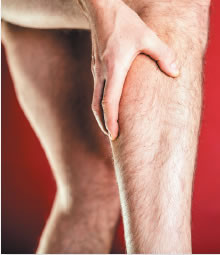
When sleeplessness starts in the legs
Uncomfortable nighttime leg sensations can spoil your sleep, but you can take steps to relieve it.
Is restless legs syndrome (RLS) the cause of your restless sleep? This exasperating condition triggers abnormal sensations in the legs and an irresistible urge to move them. It can wreak havoc with sleep, leading to daytime fatigue.

Better health with smartphone apps
A variety of smartphone or tablet apps are available to support your heart health—for example, by allowing you to track home blood pressure readings and share them with your doctor. |
Downloadable software can educate and motivate, helping you to move in a healthier direction.
Moderate- and high-intensity workout both burn belly fat
What's better for you: moderate but prolonged exercise, or a shorter but more intense workout? A recent study in Annals of Internal Medicine found that both levels of exercise will help you lose about the same amount of belly fat if you burn the same number of calories. But only high-intensity exercise helped control blood sugar levels.
In the study, 300 people with abdominal obesity walked and jogged on treadmills at a moderate or high intensity, burning equivalent numbers of calories. The 217 people who stuck through the study for the entire six months lost on average 1.75 inches from their waistlines—about 5% to 6% of body weight. It made no difference whether they huffed through the higher-intensity workout or the more moderate regimen.

3 ways to manage allergies
Allergies can cause great misery. Luckily, there are options to help manage symptoms and continue doing the things you enjoy. The goal is to find the treatment that best suits your allergies, your lifestyle, and your wallet. Here are three of the most common ways to find relief from allergy symptoms.
Antihistamines
These medications are the mainstay for treating the sneezing, runny nose, and itchy eyes that come with allergies. Antihistamines also relieve hives and other symptoms of some food allergies.
Many people who suffer from hay fever (seasonal allergic rhinitis) are familiar with the older antihistamines such as diphenhydramine (Benadryl) and chlorpheniramine (Chlor-Trimeton). While these drugs work well, they leave many people feeling groggy, sleepy, or just "out of it." Thankfully, the newer generation of antihistamines, including cetirizine (Zyrtec), desloratadine (Clarinex), fexofenadine (Allegra), and loratadine (Claritin), are far less likely to cause drowsiness at recommended doses. Their effects are also longer lasting, so usually you need to take them only once a day instead of every four to six hours.
Core workout can cause muscle soreness
Many popular workouts that aim to strengthen your arms, legs, and abs give short shrift to many of the muscles that form your body's core (the group of muscles that form the sturdy central link connecting your upper and lower body). Strong core muscles are essential to improving performance in almost any sport — and are the secret to sidestepping debilitating back pain.
If you haven't been working your core muscles regularly — or if you challenge yourself with a new set of exercises — expect to feel a little soreness as you get used to your new routine.
CoQ10: Should you take this popular supplement if you're on a statin?
Oat vs. dairy milk: Nutrition, benefits, and downsides
Microplastics: A hidden health threat?
Healing after food poisoning
What is tempeh? Benefits, nutrition, and how to use it
Light exposure at night may raise risk for heart disease
Whole grains may improve several heart risk factors at once
A lumbar belt may help ease low back pain
Children of centenarians may stay healthier and live longer too, study finds
Signs of pneumonia: Sometimes vague and unexpected
Free Healthbeat Signup
Get the latest in health news delivered to your inbox!
Sign Up
