

CoQ10: Should you take this popular supplement if you're on a statin?

Oat vs. dairy milk: Nutrition, benefits, and downsides

Microplastics: A hidden health threat?

Healing after food poisoning

What is tempeh? Benefits, nutrition, and how to use it

Light exposure at night may raise risk for heart disease

Whole grains may improve several heart risk factors at once

A lumbar belt may help ease low back pain

Children of centenarians may stay healthier and live longer too, study finds

Signs of pneumonia: Sometimes vague and unexpected
Healthy aging and longevity Archive
Articles
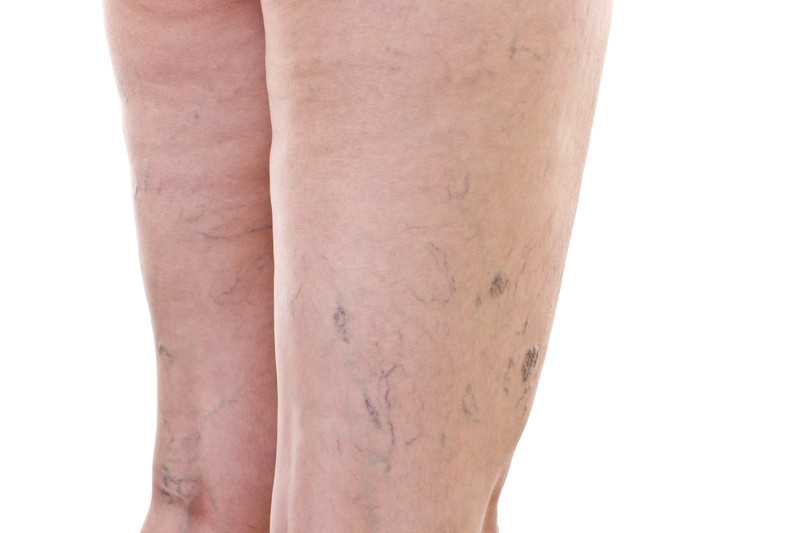
Vanquishing varicose veins
Image: Bigstock
The raised, tortuous vessels may be controlled with support hose, and they can be eradicated in a quick, outpatient procedure.
Varicose veins are one cardiovascular condition that usually isn't considered serious or life-threatening. Around half of all women have them, and most regard them as a cosmetic annoyance. However, they can be responsible for swollen legs, skin changes, and the development of leg ulcers.
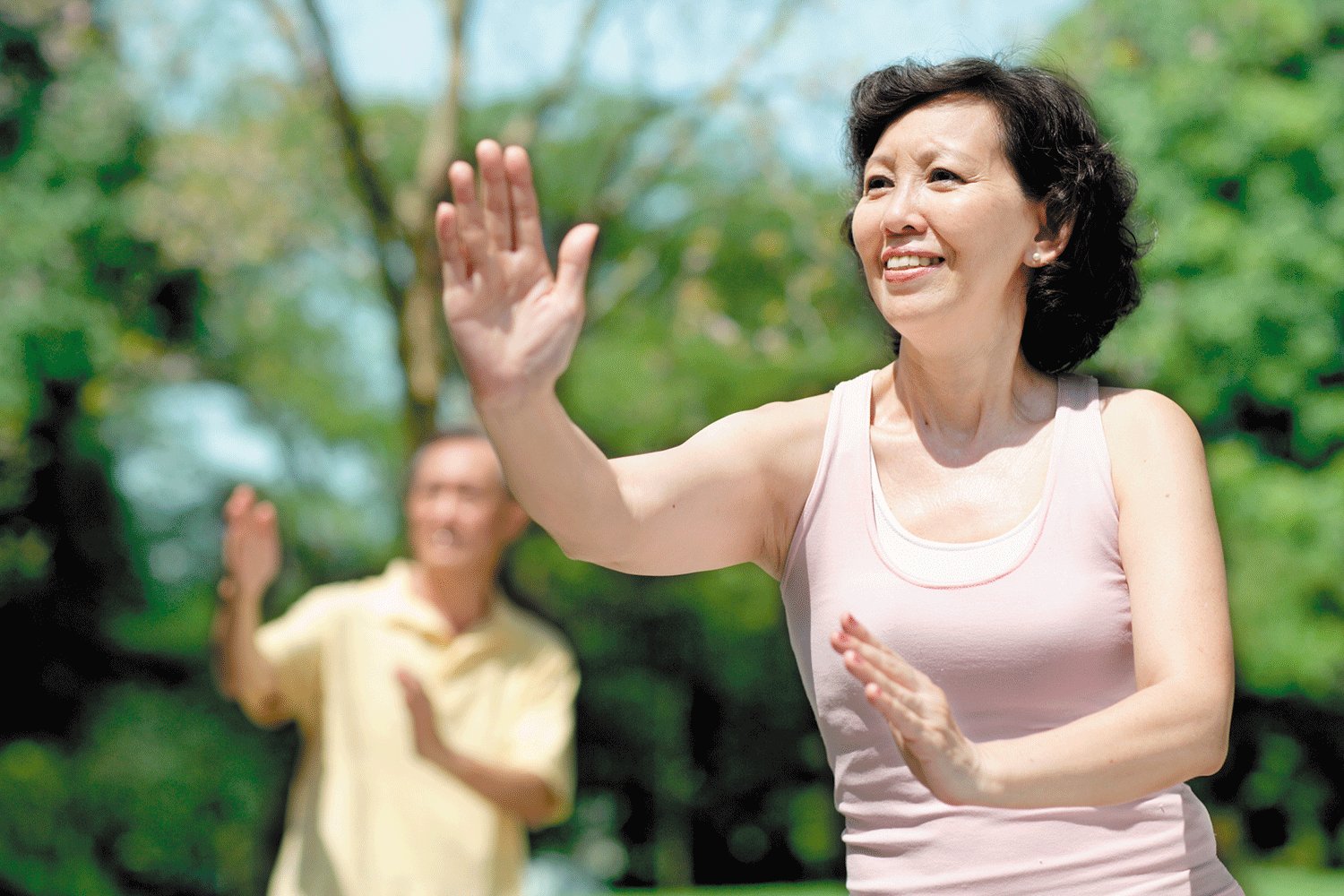
Study suggests tai chi improves life for people with chronic health problems
Image: Thinkstock
Research we're watching
An analysis published online Sept. 17, 2015, by the British Journal of Sports Medicine suggests that doing tai chi enhances the quality of life for people with common chronic conditions.
Researchers analyzed data from 33 studies involving nearly 1,600 adults. Most were in their 60s or 70s, and all had one or more chronic conditions: osteoarthritis, breast cancer, heart failure, or chronic obstructive pulmonary disease (COPD). All 290 participants in the breast cancer studies were women. There were 452 women (85% of participants) in the arthritis studies, 76 (16%) in the heart failure studies, and 92 (19%) in the COPD studies.

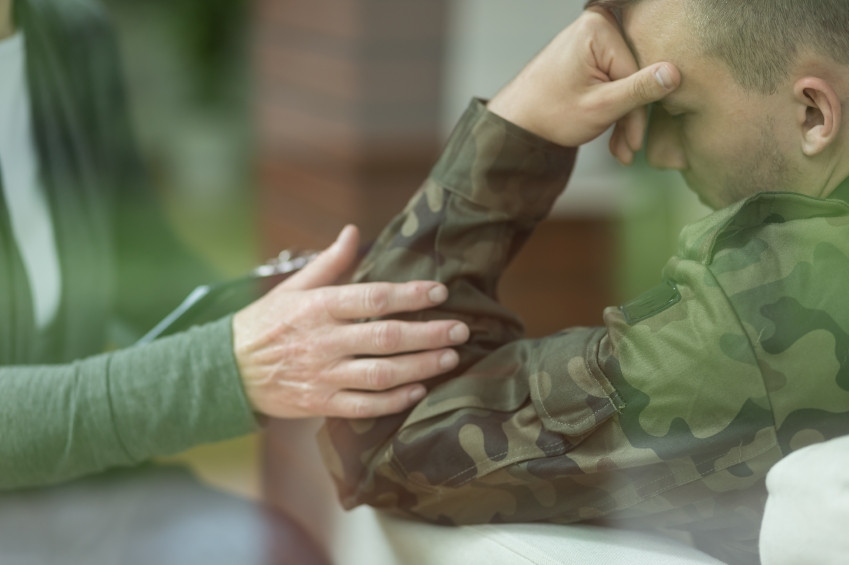
Compassionate veteran care: Embracing respect for the individual
The need to support injured soldiers dates back to our country’s earliest days. That mission remains essential today. Those who may be eligible for VA benefits and services — veterans and their family or survivors — make up a quarter of the United States’ population. Individuals seeking care through the Department of Veterans Affairs deserve a thoughtful and compassionate evaluation to not only compensate them for their service, but connect them with the care they need.

Can you find a good night’s sleep at the drugstore?
Almost everyone suffers from trouble sleeping at one time or another. Insomnia — defined as trouble falling asleep or staying asleep — isn't a single disorder itself, but rather a general symptom, like fever or pain.
Because insomnia is so common, you can walk into any drugstore and find a bewildering variety of over-the-counter sleep products. And people are buying them. One small survey of people ages 60 and over found that more than a quarter had taken nonprescription sleeping aids in the preceding year — and that one in 12 did so daily.

Sleeping like a caveman?
Recent news reports of a study of sleep duration in geographically isolated societies in Africa and South America suggest that Americans are actually getting plenty of sleep because members of these tribes spend about the same amount of time asleep each night as people in modern societies. These controversial findings will be debated, but are not relevant to the widespread sleep deficit and associated health consequences in more modern societies.

Ask the doctor: Are diet drinks safe?
Image: Thinkstock |
Q. I've been drinking Fresca since I was in college. Lately I've been reading that diet drinks may cause weight gain and have other bad effects. Is that true?
A. There is some controversy about whether drinking diet soda helps or hurts in maintaining or achieving a healthy weight. Some studies show that people who consume artificially sweetened drinks take in fewer calories and are better able to control their weight. However, other studies show the opposite—that consuming diet drinks may result in weight gain as well as type 2 diabetes.

A few things you might not know about alcohol
Beer, wine, and spirits are foods as well as intoxicants that have different effects in women than in men.
In the first episode of the sitcom "Grace and Frankie," the title characters, played by Jane Fonda and Lily Tomlin, are ordering drinks before dinner. When carb-conscious Fonda sends the breadbasket away and asks for a very dry vodka martini, Tomlin reminds her that vodka is made from potatoes. Fonda responds, "Alcohol has its own rules."

What you can gain by exercising longer and harder
New evidence indicates that more frequent and more vigorous activity can turn back the biological clock.
Fifteen minutes of vigorous exercise or 30 minutes of moderate activity several times a week can reduce your risk of cardiovascular disease, obesity, diabetes, cancer, depression, and dementia. But according to recent studies, exercising even more vigorously for longer periods may have additional benefits by taking years off your biological age. It does so by increasing aerobic capacity—the amount of oxygen you can take in and distribute to your tissues in a minute. "Some studies have indicated that people in their 80s who exercised at high intensity for 20 to 45 minutes a day have an aerobic capacity of people 30 years younger," says Dr. J. Andrew Taylor, director of the cardiovascular research laboratory at Harvard-affiliated Spaulding Rehabilitation Network.
CoQ10: Should you take this popular supplement if you're on a statin?
Oat vs. dairy milk: Nutrition, benefits, and downsides
Microplastics: A hidden health threat?
Healing after food poisoning
What is tempeh? Benefits, nutrition, and how to use it
Light exposure at night may raise risk for heart disease
Whole grains may improve several heart risk factors at once
A lumbar belt may help ease low back pain
Children of centenarians may stay healthier and live longer too, study finds
Signs of pneumonia: Sometimes vague and unexpected
Free Healthbeat Signup
Get the latest in health news delivered to your inbox!
Sign Up
