

CoQ10: Should you take this popular supplement if you're on a statin?

Oat vs. dairy milk: Nutrition, benefits, and downsides

Microplastics: A hidden health threat?

Healing after food poisoning

What is tempeh? Benefits, nutrition, and how to use it

Light exposure at night may raise risk for heart disease

Whole grains may improve several heart risk factors at once

A lumbar belt may help ease low back pain

Children of centenarians may stay healthier and live longer too, study finds

Signs of pneumonia: Sometimes vague and unexpected
Healthy aging and longevity Archive
Articles


How much meat can you eat
Image: Thinkstock
Ask the doctor
Q Everything I read in Harvard Men's Health Watch about nutrition says to minimize the amount of red meat in my diet. Would it be best if I just gave it up completely? Or is there a safe amount to eat?
A Numerous studies have observed that consuming red meat is associated with diseases such as heart disease or colon cancer. In fact, the World Health Organization recently classified processed and red meats as cancer-causing substances. In most studies, it does appear that the lower your consumption of red meat, the better your health.

Got a bum knee? Here is what to do
If knee pain and swelling are severe an are not getting better, see your primary care doctor for a thorough evalucation. Image: Thinkstock
Arthritis is not the only possible cause of knee pain, swelling, and disability.
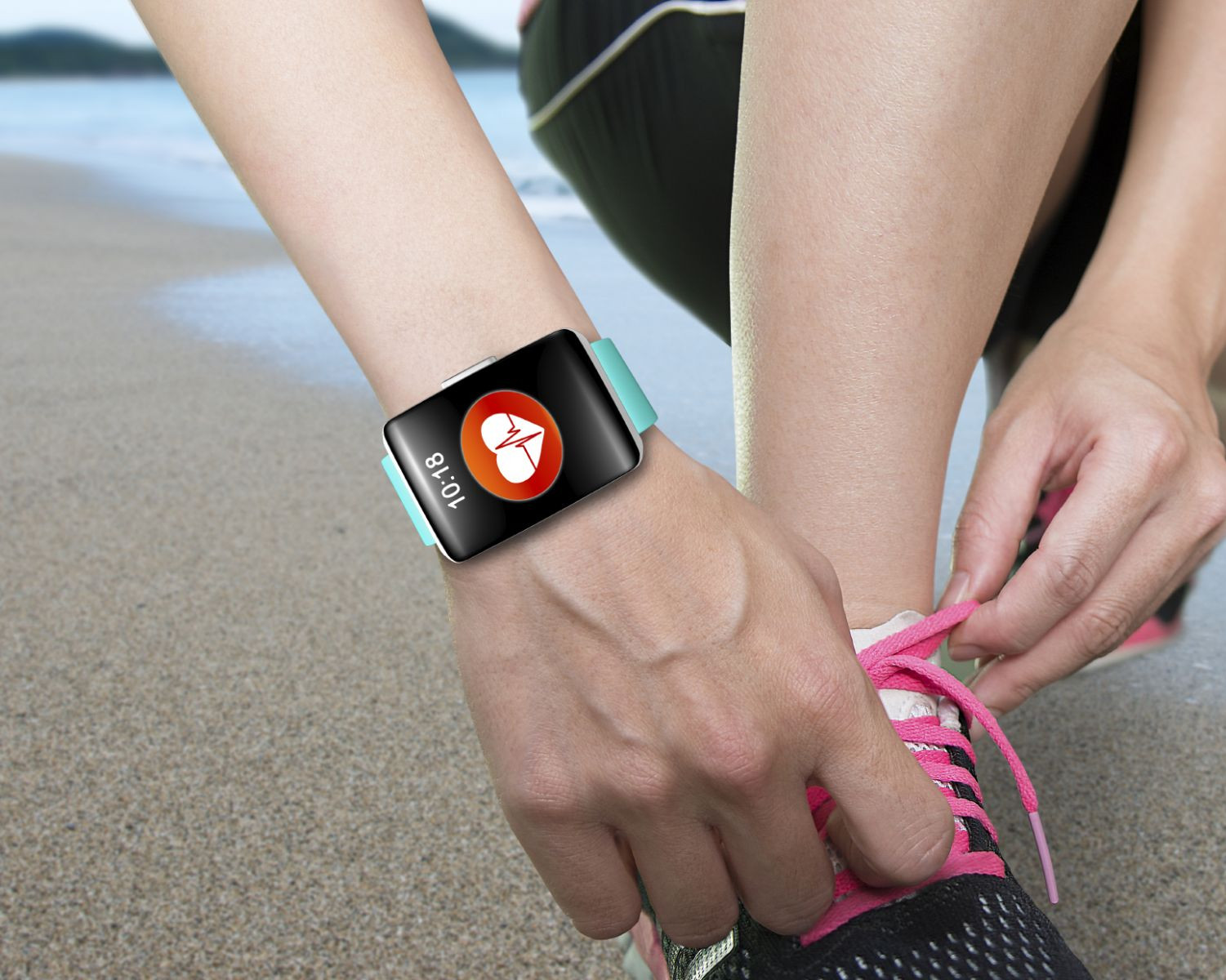
How fitness trackers can improve your health
Image: iStock
The wearable electronic devices may motivate you to stick to a diet or exercise plan.
If you've resolved to get more exercise, lose weight, or get more sleep in 2016, then a host of wearable electronic devices and apps are available to help you succeed. They will gently prod you to work toward your goal, encourage you along the way, and praise you when you get there. The gadgets record your activity, while the apps interpret the results and send you frequent messages to let you know how well you're progressing.

Is it a health problem, or is it just aging?
In our older years, it is normal to have difficulty seeing something close up. But pay attention if you have other vision changes.
Image: Thinkstock
The top 7 age-related physical changes that may mask other conditions.

Rev up your thinking skills by trying something new
Learning a new dance step involves exercise, socialization, and a challenge, all of which can help boost thinking skills.
Image: iStock
Challenging your brain, staying physically active, and being socially engaged may help keep our thinking skills sharp.

Healthier meals on the go
Yes, you can find convenient fast-cook meals, but you'll have to do your homework.
Image: Thinkstock
Ever notice how nutrition takes a back seat when you're hungry? Packaged and prepared foods somehow don't seem unhealthy when you need a meal in a hurry. But is there such a thing as a nutritious convenience food? "Yes, there are some healthy options out there, but you really have to look for them," says registered dietitian Kathy McManus, director of the Department of Nutrition at Harvard-affiliated Brigham and Women's Hospital.
Typical convenience foods
Packaged, prepared foods come in several forms: boxed, dry goods such as quick-cook pasta and rice mixes; canned foods, such as soup or ravioli; or frozen foods, such as a single frozen dinner or a "family-sized" lasagna.

Which tests do you need in 2016?
Make sure you get your blood pressure measured at least once a year.
Image: Thinkstock
Screenings for cardiovascular disease, diabetes, and cancer aren't always routine.

What you should know about antiviral drugs
Flu season still has a few months left, and it is not too late to get a flu shot if you have not done so already.
Image: Thinkstock
They may help reduce symptoms of the flu, but they're not for everyone.

The Nordic diet: A northern twist to the Mediterranean diet
Image: iStock
With a focus on whole grains, berries, and fish, Northern European cuisine has some heart-friendly features.
If you've never heard of the Nordic diet, you might imagine a plate of those Swedish meatballs sold at Ikea. In fact, this eating style focuses on healthier fare, including an abundance of the plant-based foods nutritionists always encourage us to eat. And while the data are limited so far, some studies suggest that following a Nordic eating pattern may foster weight loss and lower blood pressure—both of which are good for the heart.
CoQ10: Should you take this popular supplement if you're on a statin?
Oat vs. dairy milk: Nutrition, benefits, and downsides
Microplastics: A hidden health threat?
Healing after food poisoning
What is tempeh? Benefits, nutrition, and how to use it
Light exposure at night may raise risk for heart disease
Whole grains may improve several heart risk factors at once
A lumbar belt may help ease low back pain
Children of centenarians may stay healthier and live longer too, study finds
Signs of pneumonia: Sometimes vague and unexpected
Free Healthbeat Signup
Get the latest in health news delivered to your inbox!
Sign Up
