

CoQ10: Should you take this popular supplement if you're on a statin?

Oat vs. dairy milk: Nutrition, benefits, and downsides

Microplastics: A hidden health threat?

Healing after food poisoning

What is tempeh? Benefits, nutrition, and how to use it

Light exposure at night may raise risk for heart disease

Whole grains may improve several heart risk factors at once

A lumbar belt may help ease low back pain

Children of centenarians may stay healthier and live longer too, study finds

Signs of pneumonia: Sometimes vague and unexpected
Healthy aging and longevity Archive
Articles

Making peace with your germs
Image: Bigstock
The microorganisms that inhabit your body can be valuable allies in reducing inflammation and treating disease.
Not too long ago, we thought of all germs as enemies to be destroyed with antibacterial soaps and antibiotic drugs. In the last few years, it's become apparent that the war on microbes is not just a futile enterprise, but also one that could be harmful to our health. The more we learn about the human microbiome—the trillions of single-celled organisms that colonize our skin, nose, digestive system, and vagina—the more we realize that the microscopic critters that live on us and in us may be as important to our health as our body cells.

What we do—and don't—know about exercise
Image: Bigstock
Experts' advice has changed as we've learned more about the connection between physical activity and health.
If exercise could be packed into a pill, it would be the single most widely prescribed and beneficial medicine in the nation.
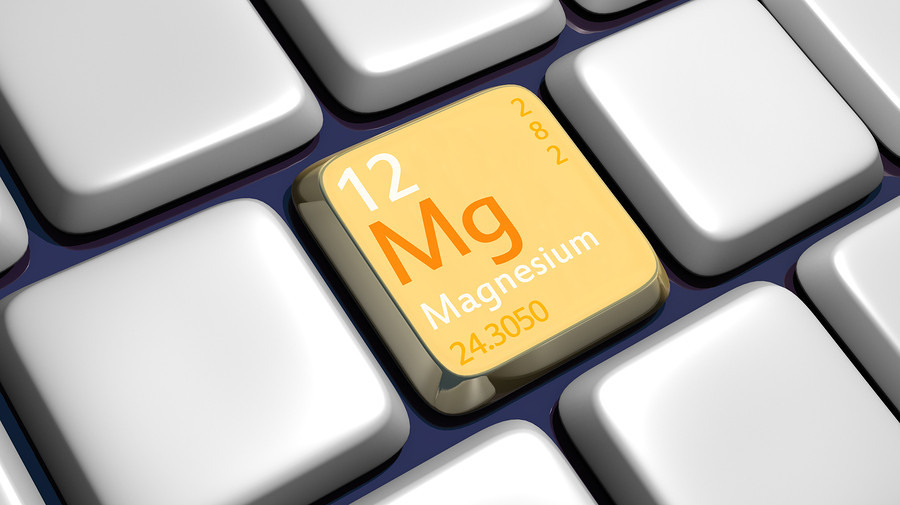
Sleep and magnesium supplements
Image: Bigstock
Ask the doctor
Q. I have difficulty falling asleep, and melatonin has not worked. I want to avoid medications and I have read magnesium supplements can help. Should I try them?
A. Magnesium is an important element in many biological functions, including nerve and muscle function, so it is often proposed as a natural treatment. It has gained some acceptance as a preventive treatment for migraine headaches, but there is not strong scientific evidence for its use with insomnia.

Get active with trackers
Image: Thinkstock
Men who need a regular reminder to stay active can get a little help from these electronic friends.
Your body is wired to receive and respond to feedback. You easily identify pain, discomfort, and fatigue and are quick to make changes to correct the problem.

Higher cardio fitness may improve multitasking skills
Image: Bigstock
In the journals
A study published in the journal Frontiers in Aging and Neuroscience (Aug. 25, 2015) has found that fitness levels in older adults correlates with activation in areas in the brain's frontal lobe responsible for executive function—mental skills used to manage time, plan and organize, and remember details. The researchers examined brain imaging and cardio fitness data from 128 adults ages 50 to 80. Cardio fitness level was determined by measuring maximal oxygen consumption (VO2 max) while a person walked at increasing speed on a treadmill. Executive function skills were measured by how fast and accurately a person responded to computer stimuli like numbers and letters.
The results: People with a higher cardiorespiratory fitness level showed greater brain activation in the frontal lobe. They were also better at performing two simultaneous tasks compared with a single one. This is important since older adults have more difficulty processing multiple tasks, says the researchers. While this study found a link between good cardio health and better cognitive function, more research is needed to show you can improve your brain function by increasing your fitness.

Stand more to lower your risk of obesity
In the journals
Even if you are active, increasing the time you spend standing every day may further lower your odds of becoming obese, says a new study from the American Cancer Society.
The researchers studied more than 7,000 patients, ages 20 to 79, and reviewed the association between their standing time and their risk of obesity. They looked at specific measurements—such as body mass index, waist circumference, and body fat percentage—and metabolic syndrome, a clustering of factors that increases the risk for heart disease, stroke, and diabetes.

Sugar substitutes: Just sweet nothings?
Image: Thinkstock
A high-sugar diet may raise heart disease risk. But no-calorie sweeteners aren't ideal alternatives.
If you have a sweet tooth, your heart may be paying the price. Diets high in added sugars have been linked to a host of health woes, including obesity, high blood pressure, high cholesterol, and even a higher risk of dying of heart disease.

Exercising in water: Big heart benefits and little downside
Image: Thinkstock
Compared with brisk walking, swimming allows you to meet your fitness goals with less stress on your joints and muscles.
In terms of convenience, it's hard to beat brisk walking as a form of exercise. You don't need any special equipment or venue, and most people can do it. But for some people—such as those with achy knees, sore hips, or substantial weight—walking may be uncomfortable. And during the winter, harsh weather in many parts of the country can make walking outdoors unpleasant—even treacherous at times. A water workout in a warm indoor pool, followed by a relaxing sauna could be an appealing alternative that's also good for your heart.

Sleep apnea solutions that lower cardiovascular risks
Image: Bigstock
Devices to treat nighttime breathing problems may help lower blood pressure and reduce the harm to your heart.
Peaceful slumber is often a pipe dream for people with obstructive sleep apnea. More than 25 million Americans have this problem, in which the tongue or throat tissue temporarily blocks the airway during sleep. The resulting pauses in breathing (called apneas) lead to explosive snoring or gasping for breath—sometimes more than 30 times per hour.

Peer support good for the heart
Image: Thinkstock
Research we're watching
Many people know what they need to do to keep their hearts healthy. The challenge is making changes (like exercising regularly and eating more fruits and vegetables) and sticking with them. New research suggests monthly meetings with a group of peers who offer support and encouragement can help.
The study included 543 adults with at least one risk factor for heart disease (being overweight, smoking, being physically inactive, or having high blood pressure). Half were randomly assigned to a self-management control group. The others were placed in teams of 10 for the peer-group interventions. Two peer-elected trained leaders headed each group meeting, which involved role-play, brainstorming, and activities to address emotions, diet, and exercise. The groups met for 60 to 90 minutes monthly for one year.
CoQ10: Should you take this popular supplement if you're on a statin?
Oat vs. dairy milk: Nutrition, benefits, and downsides
Microplastics: A hidden health threat?
Healing after food poisoning
What is tempeh? Benefits, nutrition, and how to use it
Light exposure at night may raise risk for heart disease
Whole grains may improve several heart risk factors at once
A lumbar belt may help ease low back pain
Children of centenarians may stay healthier and live longer too, study finds
Signs of pneumonia: Sometimes vague and unexpected
Free Healthbeat Signup
Get the latest in health news delivered to your inbox!
Sign Up
