

CoQ10: Should you take this popular supplement if you're on a statin?

Oat vs. dairy milk: Nutrition, benefits, and downsides

Microplastics: A hidden health threat?

Healing after food poisoning

What is tempeh? Benefits, nutrition, and how to use it

Light exposure at night may raise risk for heart disease

Whole grains may improve several heart risk factors at once

A lumbar belt may help ease low back pain

Children of centenarians may stay healthier and live longer too, study finds

Signs of pneumonia: Sometimes vague and unexpected
Healthy aging and longevity Archive
Articles

Air pollution and heart disease
Image: Thinkstock
Ask the doctor
Q. I live near a busy highway. Are there any heart risks from air pollution?
A. Yes. More than two decades of research has shown that air pollution can trigger heart attacks, strokes, and irregular heart rhythms, particularly in people who have or are at risk for heart disease. The most dangerous pollutants appear to be very tiny particles less than 2.5 micrometers in diameter, which the Environmental Protection Agency reports as PM2.5. These particles come from car and truck exhaust, power plants and other industrial sources, wildfires, and wood-burning stoves.

Optimal blood pressure: A moving target?
Image: iStock
If you're concerned about heart disease, discuss your blood pressure target with your doctor.
Earlier this fall, federal officials stopped a major blood pressure study a full year earlier than planned, based on what they called "potentially lifesaving benefits" from the findings. The preliminary results suggest that in people with high blood pressure, achieving a systolic blood pressure (the first number in a reading) of 120 millimeters of mercury (mm Hg) in-stead of 140 mm Hg can substantially lower a person's risk of heart attack, stroke, heart failure, and death.

Apps, texts, and sensors for boosting heart health: Do they help?
Image: iStock
Mobile health technologies show some promise for motivating people to make healthy choices for their heart.
The number of health-related apps for mobile devices has exploded in recent years. According to one estimate, online services (mainly iTunes and Google Play) feature more than 165,000 of these downloadable software programs. One in five American adults with a smartphone has at least one of these digital tools, many of which focus on factors related to heart health.
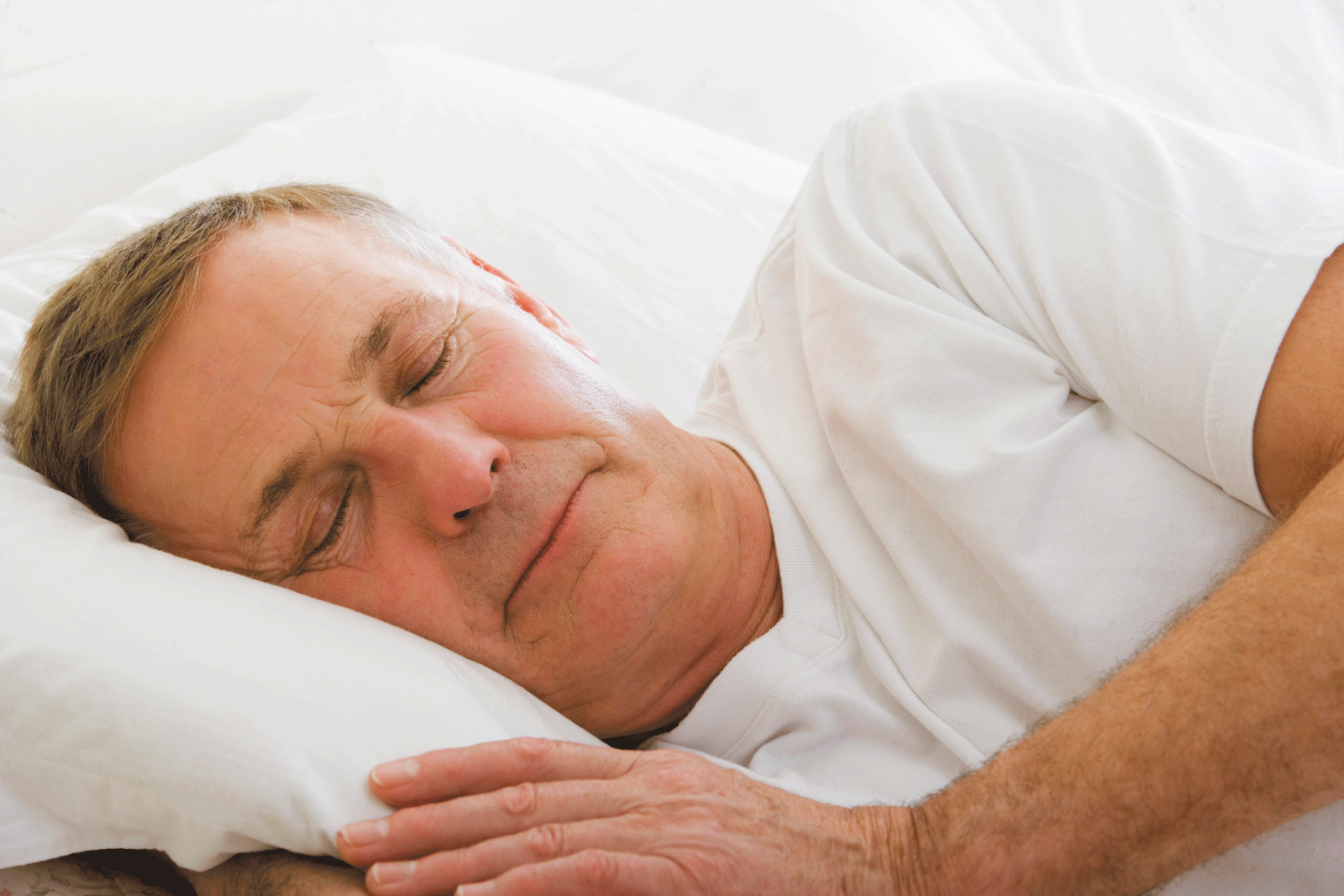
Too much or too little sleep linked to stiffer arteries
Image: Thinkstock
Research we're watching
People who sleep too much or too little may be more likely to have early signs of heart disease, according to a study of more than 47,000 apparently healthy young and middle-aged adults.
The study volunteers filled out sleep questionnaires and underwent tests to assess the arteries in their hearts and legs. Researchers found that people who slept for nine or more hours per night had more calcium buildup in their heart artery walls and stiffer leg arteries than those who slept seven hours per night. These early signs of heart disease were also more prevalent in people who logged five or fewer hours of sleep per night and in people who reported poor sleep quality.

Where to get health care in a hurry
Image: Thinkstock
The best place to get the services you need on short notice depends on the problem you have.
Not long ago, your only alternative to visiting a doctor's office was an urgent care clinic or hospital emergency room. But there are some new options. These include walk-in clinics at drugstores and big-box retailers like Walmart and Target, and online "e-visits" that some health care providers now offer.
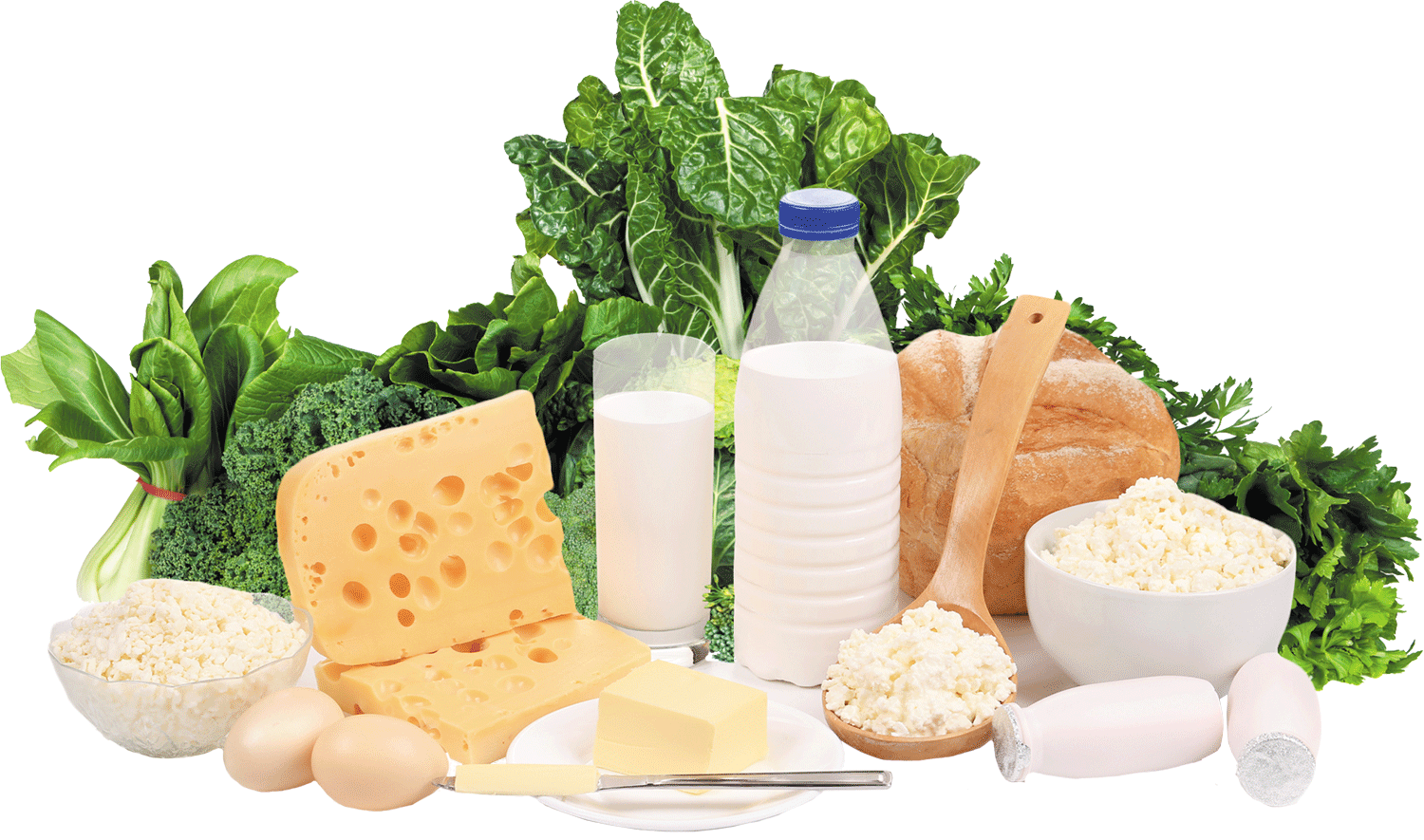
Calcium supplements for bone health: Do you really need them?
Image: Thinkstock
Calcium is required for good health, and you can obtain most of what you need from common foods.
Calcium builds strong bones—right? In general that's true, because calcium forms the bricks and mortar of bones. That's why you need to take in sufficient calcium from your diet to replace worn-out bone as you age. Being deficient in calcium can weaken bones, leaving them more prone to breaking. Vitamin D is the helpmate to calcium, allowing the body to absorb more of the mineral during digestion.
Boot camp for better sleep
Image: Bigstock
Do you worry yourself awake frequently? Cognitive behavioral therapy can help.
If you have trouble getting to sleep and staying asleep, that's insomnia. It happens to everyone from time to time. But it can also become a chronic problem. For some men, fretting about whether they will be able to sleep—and the emotional upset of not being able to when they try—can itself become the root cause of insomnia.
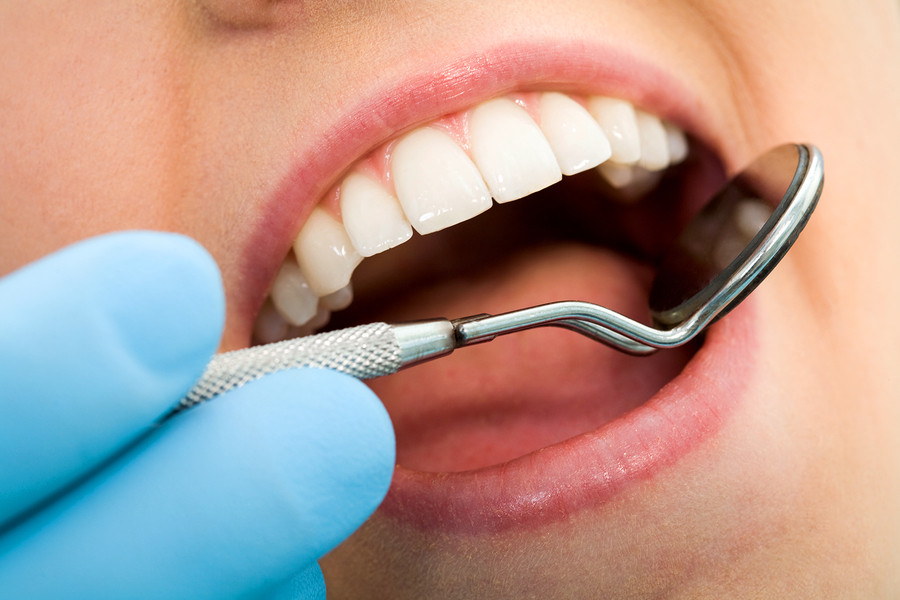
DASH diet linked to better dental health
Image: Bigstock
In the journals
Eating a heart-healthy diet is associated with better dental health, according to a study in the Journal of the American Geriatrics Society. The Dietary Approaches to Stop Hypertension (DASH) diet was originally developed to lower blood pressure, but research has uncovered a variety of other possible health benefits.
In the new study, researchers with the Veterans Affairs Dental Longitudinal Study followed 533 men ages 47 to 90. The men had dental exams every three years over a 20-year period. A trained examiner checked the men for signs of root cavities, which can occur if the gums recede and expose the root surface. Root cavities lead to tooth loss, an outcome that most men understandably want to avoid.

How low should your blood pressure be?
Image: Bigstock
A landmark study indicates that lowering the top number to 120 mm Hg can reduce the risk of cardiovascular problems and death.
Medical practice usually evolves fairly slowly. Experts meet every five to 10 years to review study findings and make recommendations. But occasionally the results of a single study are so decisive that it is brought to a halt early, the results are announced, and doctors change their advice to patients based on the findings. For example, in 2002 the Women's Health Initiative was stopped three years early when postmenopausal women taking estrogen and progestin were found to be at higher risk of heart disease, stroke, and breast cancer than those who weren't on the hormones. The use of postmenopausal hormone therapy fell 70% in the next few years.

Why you fall-and what you can do about it
Image: Bigstock
Falling has become a major health issue for many older adults, but there is much you can do to reduce your risk.
When we were kids, falling usually meant a skinned knee or a scraped elbow. But with age, taking a tumble can have graver consequences, including hip fractures and traumatic brain injuries. Each year, one in three seniors falls, and one in five of those falls results in a serious injury.
CoQ10: Should you take this popular supplement if you're on a statin?
Oat vs. dairy milk: Nutrition, benefits, and downsides
Microplastics: A hidden health threat?
Healing after food poisoning
What is tempeh? Benefits, nutrition, and how to use it
Light exposure at night may raise risk for heart disease
Whole grains may improve several heart risk factors at once
A lumbar belt may help ease low back pain
Children of centenarians may stay healthier and live longer too, study finds
Signs of pneumonia: Sometimes vague and unexpected
Free Healthbeat Signup
Get the latest in health news delivered to your inbox!
Sign Up
