

CoQ10: Should you take this popular supplement if you're on a statin?

Oat vs. dairy milk: Nutrition, benefits, and downsides

Microplastics: A hidden health threat?

Healing after food poisoning

What is tempeh? Benefits, nutrition, and how to use it

Light exposure at night may raise risk for heart disease

Whole grains may improve several heart risk factors at once

A lumbar belt may help ease low back pain

Children of centenarians may stay healthier and live longer too, study finds

Signs of pneumonia: Sometimes vague and unexpected
Healthy aging and longevity Archive
Articles

Yogurt or dessert? High sugar makes it hard to tell
Research we're watching
Image: © Steve Debenport/Getty Images
While yogurt is often billed as a nutritious food, high in probiotics and calcium, these creamy treats are also often loaded with sugar, according to a study in the online journal BMJ Open.
The study looked at 900 yogurt products in five major supermarket chains in the United Kingdom. Only 9% qualified as low in sugar, according to government guidelines, which called for a maximum of 5 grams of sugar per 100-gram serving. Organic yogurts, which many people think of as a healthier option, had some of the highest average sugar content (13.1 grams per 100-gram serving) among the various yogurt types, followed by 10.8 grams per serving in yogurts aimed at children and 5 grams among Greek and natural yogurt products.

5-minute fixes for better health
Taking on a new health regimen can be daunting. Accomplishing smaller tasks that contribute to health may be easier to achieve.
You know what you're supposed to do: exercise daily, ditch junk food, get more sleep, and stay vigilant about every aspect of your health. It's a nonstop commitment that seems like a major undertaking if you've fallen behind. But putting off a healthy lifestyle increases the risk for developing chronic disease and jeopardizes your independence.
Rather than identifying big ways to improve your health, and then procrastinating, focus on small tasks that won't overwhelm you. Try a quick fix once in a while — or all the time if it applies. The more you do, the better you'll feel.
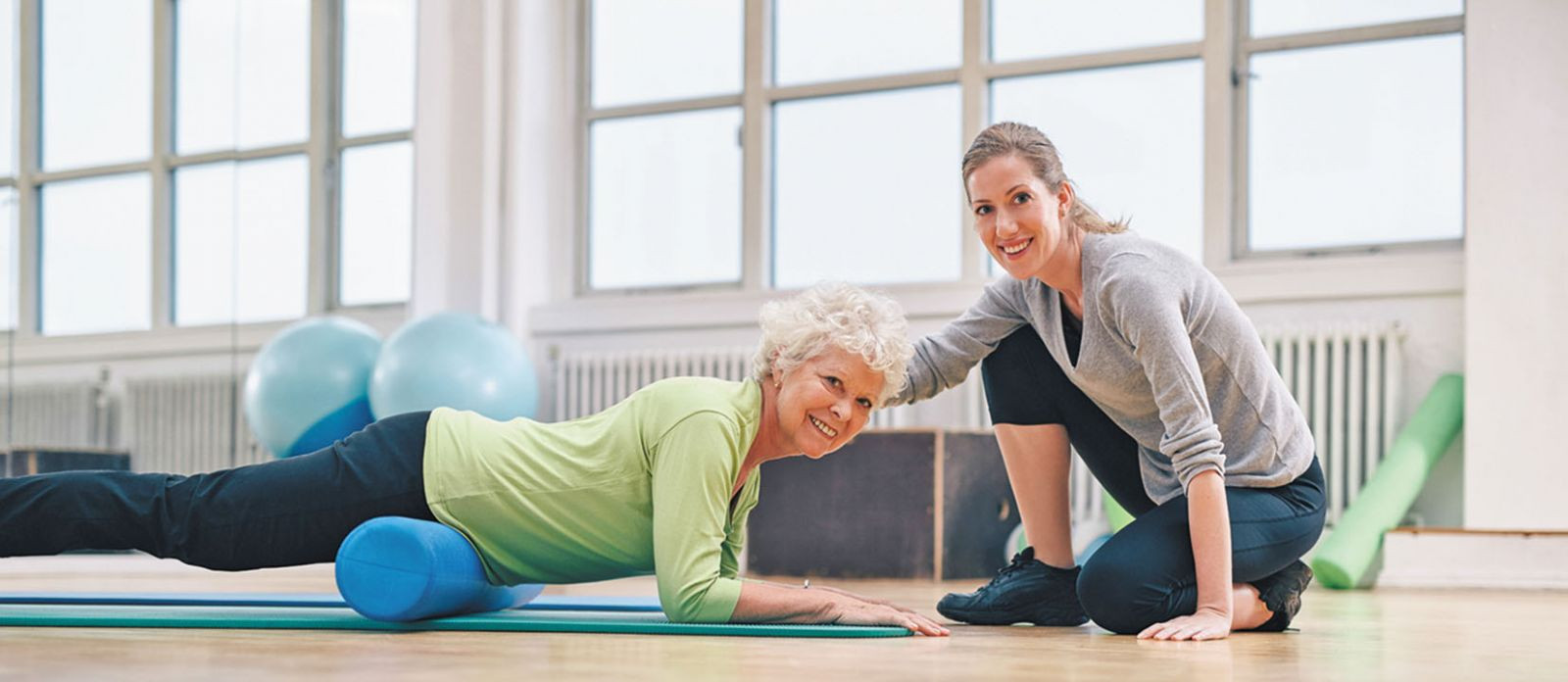
Should you add foam rolling to your workout routine?
Just a few minutes of rolling can help make your muscles more receptive to stretching and relieve muscle soreness, too.
Image: © jacoblund/Getty Images
Working out regularly will help you hold on to your flexibility, mobility, and independence. And using a simple tool may improve this grip on fitness by priming the muscles and making your workouts more effective.
The tool is called a foam roller. It looks like a fat tube or a bolster pillow for a bed. To use it, you slowly roll an area of your body — like your upper back, hips, or calves — back and forth across the top of the roller.

Gifts to inspire healthy eating
Give tools that will encourage recipients to prepare and enjoy fresh, healthy meals and treats.
Image courtesy of Yonanas
You know what they say about gifts: it's the thought that counts. And why not focus that thought on a healthy diet? Inspire healthy eating with gadgets that are affordable and easy to use. Keep the recipient's dietary needs, dexterity, and physical ability in mind as you shop. Here are some fun ideas to get you started.
A stem stripper (cost: about $5) is a flat utensil with a number of stem-sized holes in it. It strips leaves from stems in seconds. You simply insert the stem of a leafy vegetable or herb (like kale, Swiss chard, or rosemary) into the hole that matches the stem's diameter. Pull the stem through the hole, and the leaves fall away. Then toss the remaining stem. "This might be helpful if you have trouble chewing, if you wear dentures, or you find vegetables or herbs hard to chop or pull apart," says registered dietitian Kathy McManus, director of the Department of Nutrition at Harvard-affiliated Brigham and Women's Hospital.

Tai chi, the winner at warding off falls
News briefs
Image: © kali9/Getty Images
Exercising is one of the best ways to ward off falls. But which type of exercise helps most? A small randomized controlled trial — the gold standard in research — found that tai chi is the winner. The study was published online Sept. 10, 2018, by JAMA Internal Medicine. Researchers took 670 older adults (average age 78) with a self-reported history of falls or mobility problems and divided them randomly into three groups. One group did tai chi only; one group did stretching exercises only; and one group did aerobics, strength training, and balance and flexibility exercises. All of the participants took part in their assigned activities twice a week, for an hour each time. After six months, people in the tai chi group had experienced 58% fewer falls compared with people in the stretching group, and 31% fewer falls compared with people in the group doing several types of exercises. The type of tai chi in the trial was tailored to older adults at risk for falling. But lots of evidence has shown tai chi in general is effective for improving balance. It uses a series of slow, flowing motions and deep breathing. The gradual shifting of weight boosts your strength, flexibility, range of motion, and reflexes.

Biotin may throw off lab test results
News briefs
A warning for people who take the dietary supplement biotin (vitamin B7): the FDA says taking too much of the vitamin may interfere with the results of some lab tests. Biotin is often included in multivitamins, prenatal vitamins, and dietary supplements marketed to improve nails, hair, and skin. While there's no recommended dietary allowance established for biotin, the adequate intake value is 30 micrograms per day for people ages 19 or older and for pregnant teens and women. But biotin supplements may contain up to 650 times the adequate intake. The FDA warns that taking too much biotin can interfere with lab tests, such as hormone tests and tests for markers of heart attacks (like troponin). An inaccurate lab result can have dangerous consequences. For example, the FDA reports that one person taking high levels of biotin died after a falsely low troponin test result. The FDA also notes it's seeing an increase in reports of biotin interference in lab work. The bottom line: Always tell your doctor which supplements you're taking. And remember, most people can get enough biotin from a healthy diet that includes seeds, nuts, meat, fish, eggs, and certain vegetables (such as spinach and broccoli).

What’s good for your heart is good for your brain, even later in life
News briefs
Image: © Shuttermon/Getty Images
A French study published Aug. 21, 2018, in The Journal of the American Medical Association suggests that the more steps you take to boost your heart health, the lower your risk for developing dementia. Researchers evaluated health and lifestyle data for more than 6,000 men free of dementia and heart disease men in their 70s to see how they were doing when it came to following seven steps recommended by the American Heart Association: not smoking; controlling weight; getting regular physical activity; eating a healthy diet (that included fish twice a week or more, and fruits and vegetables at least three times per day); and maintaining healthy blood pressure, cholesterol, and blood sugar levels. Researchers also conducted psychological testing on participants at various times. After eight years, it appeared that men who followed five to seven of the healthy habits had the least risk (8%) for developing dementia during the study, compared with men who followed two or fewer habits (they had a 13% risk). The study was observational and doesn't prove that following heart-healthy habits will lower your dementia risk. But many other studies have made similar connections. The takeaway: It's not too late to try to prevent dementia.

What's good for the heart is good for the mind
The number of people with dementia is expected to climb to 50 million in the coming decades, but understanding the connection between vascular health and cognitive health allows people the opportunity to adopt heart-healthy habits that can also reduce their risk of dementia.
Better sleep, naturally
The world looks very different at 3 a.m. when you're lying in bed staring at the ceiling or the clock. "How will I make it through tomorrow without any sleep?" you worry. You may wonder how to sleep better every night. If you regularly can't get to sleep - or stay asleep - and it's affecting you during the day, then you may have insomnia.
Prescription or over-the-counter sleep aids can help you drift off, but these drugs also have side effects. These include morning drowsiness, which can make activities like driving or using machinery dangerous, and an increased risk for falling. There are other ways to sleep better than medications.

CoQ10: Should you take this popular supplement if you're on a statin?
Oat vs. dairy milk: Nutrition, benefits, and downsides
Microplastics: A hidden health threat?
Healing after food poisoning
What is tempeh? Benefits, nutrition, and how to use it
Light exposure at night may raise risk for heart disease
Whole grains may improve several heart risk factors at once
A lumbar belt may help ease low back pain
Children of centenarians may stay healthier and live longer too, study finds
Signs of pneumonia: Sometimes vague and unexpected
Free Healthbeat Signup
Get the latest in health news delivered to your inbox!
Sign Up
