

CoQ10: Should you take this popular supplement if you're on a statin?

Oat vs. dairy milk: Nutrition, benefits, and downsides

Microplastics: A hidden health threat?

Healing after food poisoning

What is tempeh? Benefits, nutrition, and how to use it

Light exposure at night may raise risk for heart disease

Whole grains may improve several heart risk factors at once

A lumbar belt may help ease low back pain

Children of centenarians may stay healthier and live longer too, study finds

Signs of pneumonia: Sometimes vague and unexpected
Healthy aging and longevity Archive
Articles
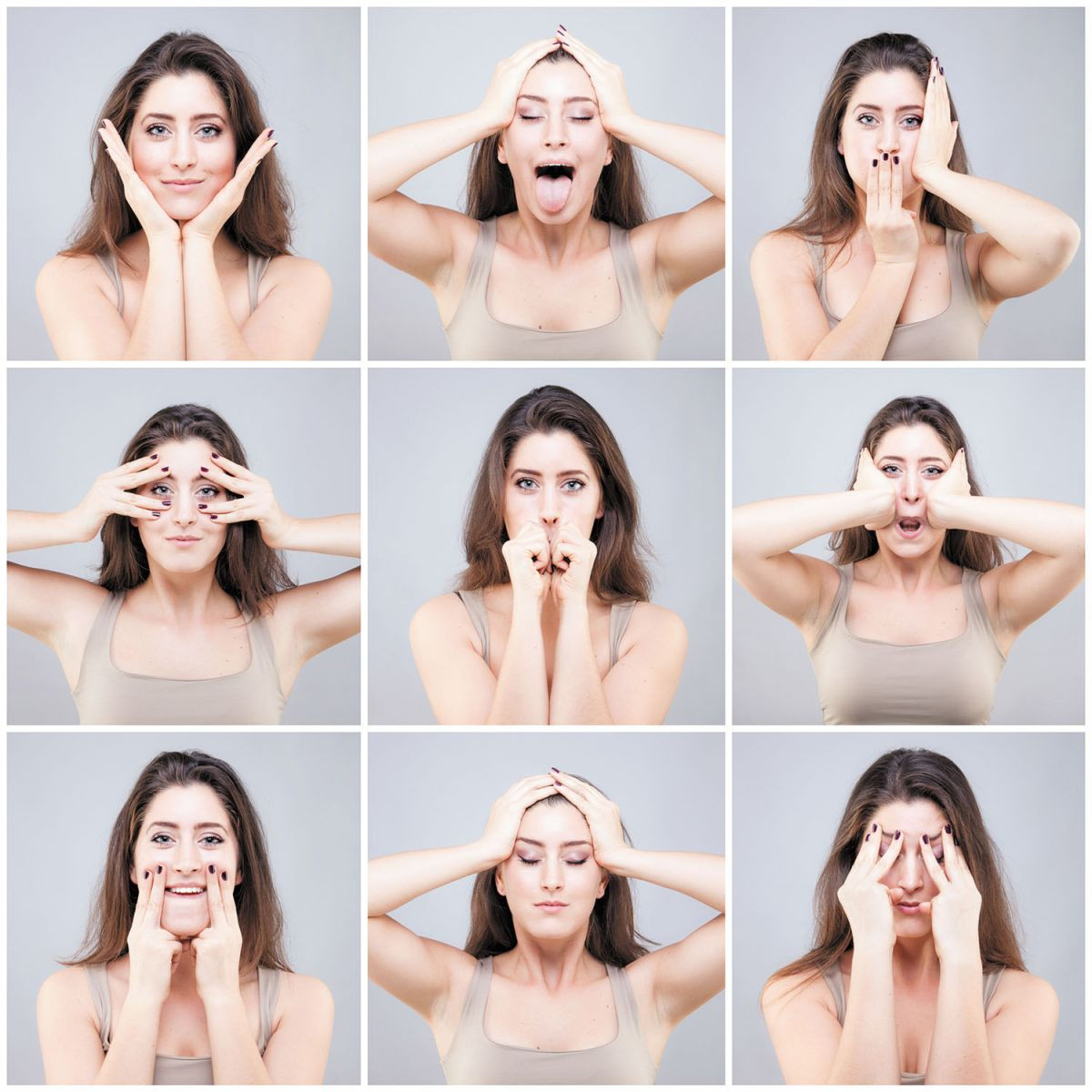
Does your face need a workout?
Facial exercises are being touted as a way to reverse signs of aging. A workout can't hurt and might even help. But there's little evidence of benefit.
Image: © Jasmina81/Getty Images
It used to be that women's magazines only gave fitness advice for your body. But today when you open the pages of many publications, you'll see advice on exercising not only your body, but your face, too. Articles tout strengthening exercises for the facial muscles — and even face yoga — as a way to slim and tone facial structures and help fight signs of aging.
Sounds great. But is it true? Should your workouts extend above the neck as well as below? And will those exercises really do anything for those wrinkles, sagging jowls, or double chin?

What’s in that supplement? Sometimes more than you bargain for
Research we're watching
Do you know someone who is using a supplement for weight loss, muscle building, or sexual enhancement? You might want to recommend a dose of caution. An analysis published on October 12 by JAMA Network Open found that many of these supplements contain unapproved and potentially dangerous pharmaceutical ingredients. From 2007 to 2016, FDA reviewers detected contaminants in 776 dietary supplements, produced by 146 different companies. Contaminants included sildenafil, which is the generic form of the drug Viagra; sibutramine (Meridia), a weight-loss drug taken off the market in the United States in 2010; and anabolic steroids or steroid-like substances. And 20% of products contained more than one unapproved ingredient.
These supplements could prove harmful for those who take them because their ingredients may interact with other medications or cause problems for people with underlying health conditions.

“Nontoxic” nail polishes may still contain unsafe chemicals
Research we're watching
Image: © beemore/Getty Images
Even so-called nontoxic nail polishes may still contain toxic ingredients, says a study published October 10 in Environmental Science and Technology. In the early 2000s, some nail polish makers decided to start removing three problematic chemicals — dibutyl phthalate, toluene, and formaldehyde — from their products. These new formulations were often labeled as "3-free." Yet subsequent testing showed that some of these polishes still contained these chemicals. This study found that manufacturers replaced these ingredients with new chemicals that may also bring health risks, including triphenyl phosphate and the potentially cancer-causing chemical didiethylhexyl phthalate.
The study authors say that additional action is needed to better protect both consumers and nail salon workers.

Why has my sense of taste changed?
On call
Image: © Meinzahn/Getty Images
Q. I have lost some of my sense of taste. I take medicine for high blood pressure. Could that be the reason?
A. The ability to enjoy food's flavor requires both your sense of taste and your sense of smell, which are triggered by the stimulation of nerve endings in the mouth and nose. As we age, our senses of smell and taste diminish. We lose taste buds, and those that remain shrink; and our tongue and nose become less discerning.

The wonders of winter workouts
Exercising in colder temperatures offers many advantages.
Image: © amriphoto/Getty Images
Even though the temperature has dropped, this doesn't mean you have to bring your workouts indoors.
"When it gets into the 40s and 30s, you can still enjoy your regular outside routines, like walking, running, and even cycling," says Dr. Adam Tenforde, an assistant professor of sports medicine and rehabilitation at Harvard-affiliated Spaulding Rehabilitation Network.

Extra protein at breakfast helps control hunger
In the journals
Image: © Tverdohlib/Getty Images
A high-protein breakfast may help curb your appetite later in the day, suggests a small study in the October 2018 Journal of Dairy Science.
Researchers assigned 32 healthy adults to eat a breakfast containing two servings of a high-carbohydrate cereal, with either 1 cup of commercial milk that contained 12.4 grams of protein, or 1 cup of milk mixed with a whole-milk protein concentrate or a whey protein powder that boosted protein intake to 28 grams. The participants then had their blood sugar levels measured.

Daytime sleepiness may indicate a higher risk for Alzheimer’s disease
In the journals
Are you excessively sleepy during the day? If so, you may have a higher risk of Alzheimer's disease, according to a recent study published online Sept. 5, 2018, by the journal Sleep.
Scientists asked 124 healthy older adults, average age 60, about how often they felt drowsy or fell asleep during the day when they would rather be awake, as well as their napping habits. The group then had regular PET scans over the next 15 years to look for beta-amyloid in the brain, high amounts of which are a hallmark for Alzheimer's.
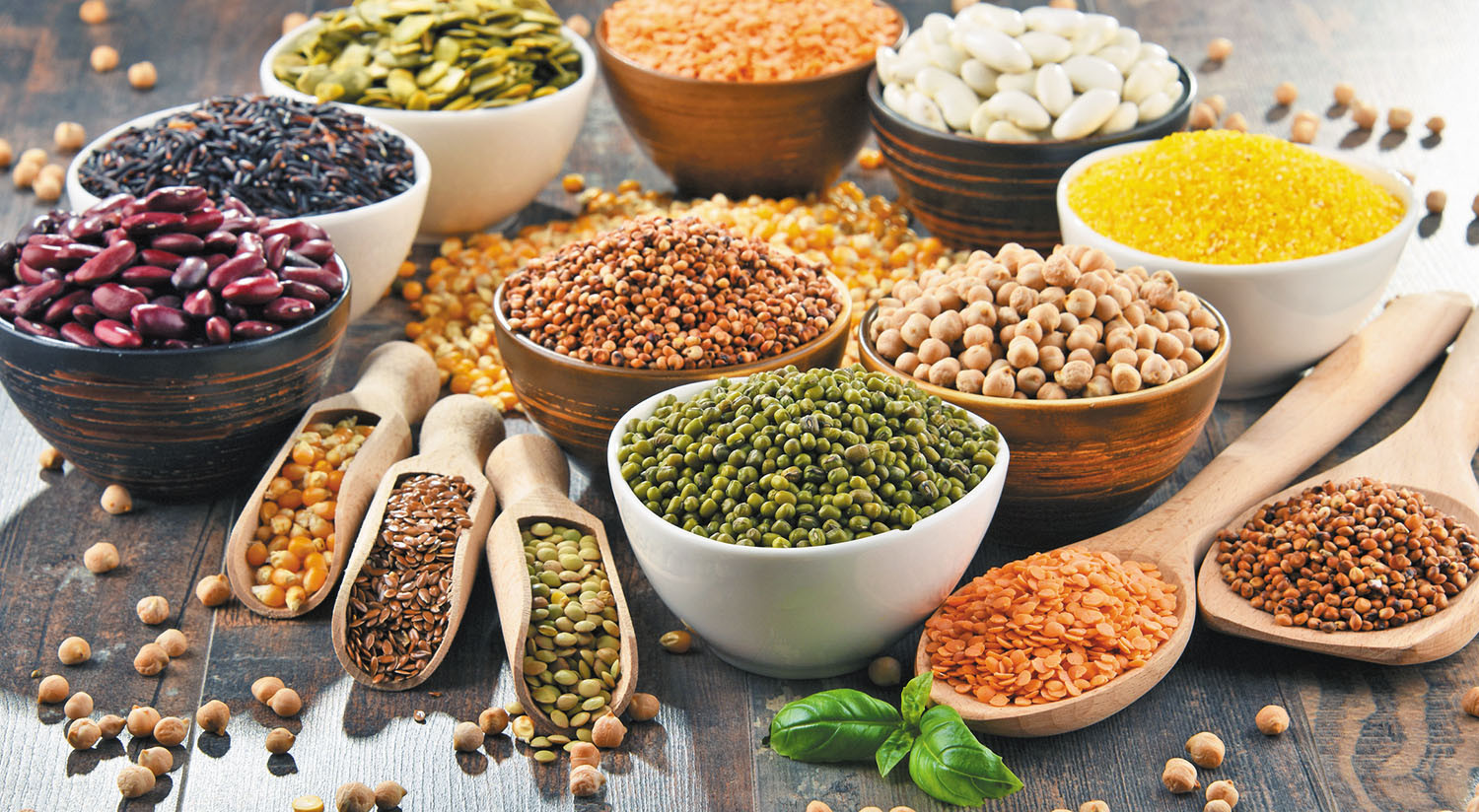
Legumes: A quick and easy switch to improve your diet
Beans, peas, and peanuts are high in protein but lower in saturated fat than red meat.
Image: © monticelllo/Getty Images
Looking for a quick way to improve your diet? Try swapping some of your regular servings of red meat with legumes.
"People will ask me, is red meat bad for me? And my answer is, compared to what? Compared to sugar, no. Compared to legumes, yes. That's where I think legumes come in. They are especially beneficial if they can replace red meat," says Dr. Meir Stampfer, a professor of epidemiology and nutrition at the Harvard T.H. Chan School of Public Health.
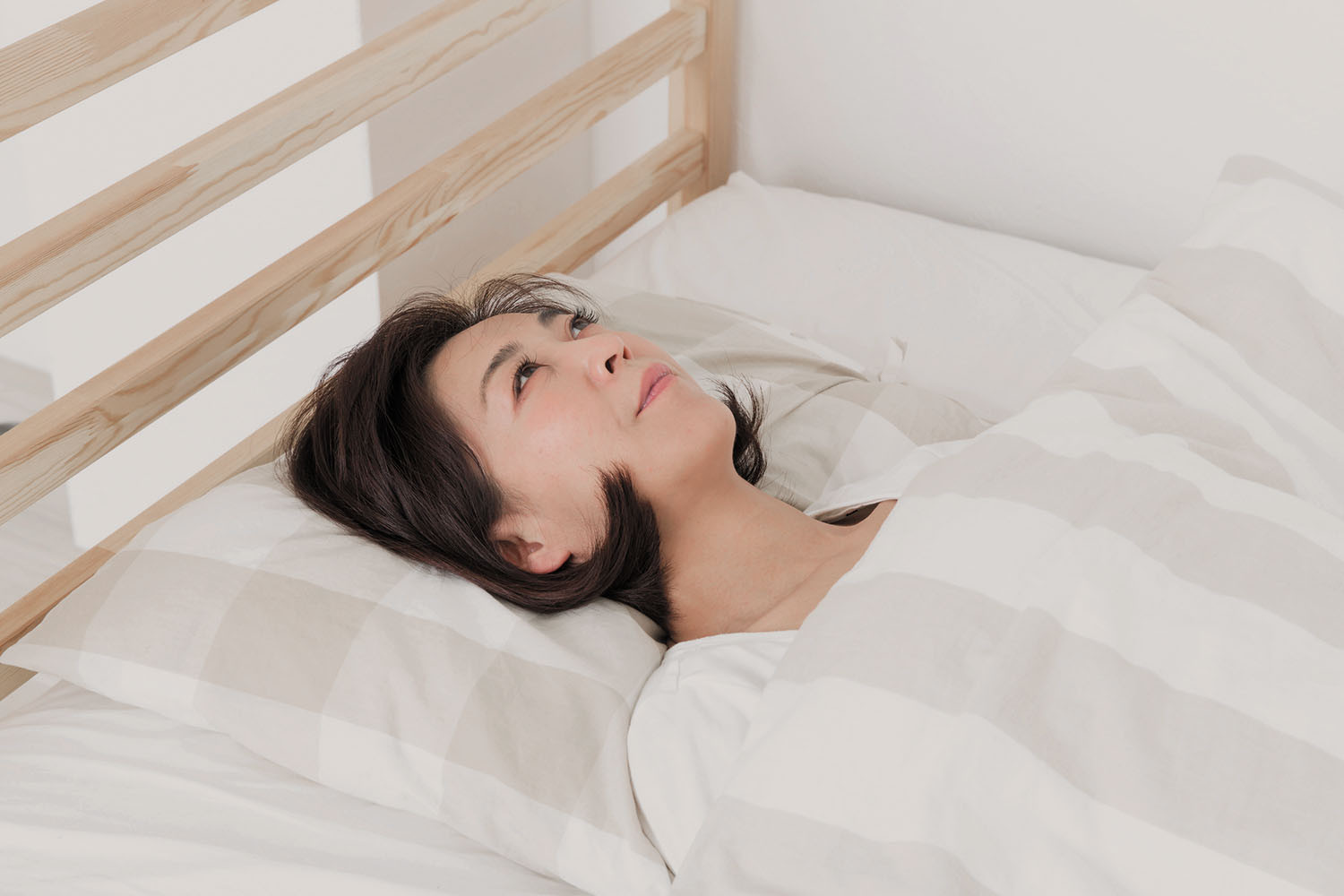
Drugstore sleep aids may bring more risks than benefits
Explore more effective alternatives to help you get a good night's rest.
Image: © miya227/Getty Images
You've spent the past few nights staring at the ceiling, thinking about your grocery list, lining up your tasks for the next day, or obsessing about your problem du jour — but what you really want to be doing is sleeping soundly. You're in the pharmacy and notice an array of over-the-counter sleep aids, and you're tempted. Will taking one help you get that deep slumber you crave?
Before you reach for that bottle, you might want to reconsider.

Low-dose aspirin might not benefit healthy adults
Research we're watching
Image: © dszc/Getty Images
Taking a low-dose aspirin every day could bring more risks than health benefits to healthy older adults, according to three papers from a single study, published online September 16 by The New England Journal of Medicine. The study, which began in 2010, included more than 19,000 adults ages 65 and older in the United States and Australia, who were free of cardiovascular disease, dementia, or disability, and followed participants for 4.7 years on average. Researchers found that treatment with a daily low-dose aspirin did not prevent dementia or disability. And rates of cardiovascular events (such as heart attacks and stroke) were similar between participants who took low-dose aspirin therapy and the comparison group that did not. While health outcomes were largely the same, people in the aspirin group were more likely than those who were not taking daily aspirin to experience significant bleeding, both in the gastrointestinal tract and the brain — a known risk of aspirin therapy.
While low-dose aspirin does not appear to benefit healthy older adults, this does not apply to people with known cardiovascular disease. For them, aspirin therapy significantly decreases risk of heart attack and stroke.
CoQ10: Should you take this popular supplement if you're on a statin?
Oat vs. dairy milk: Nutrition, benefits, and downsides
Microplastics: A hidden health threat?
Healing after food poisoning
What is tempeh? Benefits, nutrition, and how to use it
Light exposure at night may raise risk for heart disease
Whole grains may improve several heart risk factors at once
A lumbar belt may help ease low back pain
Children of centenarians may stay healthier and live longer too, study finds
Signs of pneumonia: Sometimes vague and unexpected
Free Healthbeat Signup
Get the latest in health news delivered to your inbox!
Sign Up
