

CoQ10: Should you take this popular supplement if you're on a statin?

Oat vs. dairy milk: Nutrition, benefits, and downsides

Microplastics: A hidden health threat?

Healing after food poisoning

What is tempeh? Benefits, nutrition, and how to use it

Light exposure at night may raise risk for heart disease

Whole grains may improve several heart risk factors at once

A lumbar belt may help ease low back pain

Children of centenarians may stay healthier and live longer too, study finds

Signs of pneumonia: Sometimes vague and unexpected
Healthy aging and longevity Archive
Articles

How to spot the most common “food fakes”
Healthy-sounding claims on food packaging can be misleading. Here's how to find impostors.
Image: © DjelicS/Getty Images
The New Year may have you thinking about a healthier diet, but you may need to do some detective work to find the healthiest foods in your grocery store. Food manufacturers often use terms that make products sound healthier than they are.
"Finding the healthiest foods takes time and effort, and we want things that are quick and easy. We need to take a couple of steps back and look beyond the flashy labels to see what actually is — and isn't — in the foods," says registered dietitian Kathy McManus, director of the Department of Nutrition at Harvard-affiliated Brigham and Women's Hospital.

Are your hamstrings working double duty?
Weak gluteal muscles can overload the muscles in the backs of your thighs.
Image: © izusek/Getty Images
The hamstrings are the unsung heroes of the upper legs. The three muscles in the back of each thigh enable you to bend your knees and pull your legs back as you walk. They also assist the gluteal muscles (or "glutes") in the buttocks — the powerhouses that propel your body forward when you get up from a chair, bound across a room, or climb stairs. The glutes also help you come to a stop from a run or walk and lower your body to sit down or squat.
But weak gluteal muscles wind up overburdening the hamstrings. "When the glutes are weak, which is common in the age of sitting too much, the hamstrings are continually overworked and overloaded," says Matt Natanson, a physical therapist with Harvard-affiliated Brigham and Women's Hospital.

Medicine cabinet makeover
Remove expired medications to avoid hazards such as accidental poisoning or ineffective treatment.
Image: © SelectStock/Getty Images
Like any cupboard in your house, the medicine cabinet can easily become overstuffed with pills, potions, and creams that have expired or are no longer needed. But holding on to them can be dangerous. That's why experts recommend weeding through your medicine cabinet regularly. "Check it every six months or when you change your clocks," recommends Joanne Doyle Petrongolo, a pharmacist with Harvard-affiliated Massachusetts General Hospital. "Make it a regular habit to protect your family."
Medicine cabinet risks
For all their value, the substances in your medicine cabinet pose some risks beyond the side effects of the drugs:

Retiring? What about your health?
You're ready to head for sunnier climes. But have you thought through your evolving health needs? Here's a checklist.
Image: © kali9/Getty Images
When we get close to retirement age, we're all a little guilty of deluding ourselves into thinking how rosy it'll be — long walks on the beach at sunset, meaningful volunteering to engage the mind, the warmth and conviviality of friends and family.
It's great to approach retirement in a positive state of mind. But it's also a good idea to consider your future health needs when it comes time to select a community where you can live out your golden years.

Greater fitness linked to a longer life
News briefs
Image: © Guingm/Getty Images
Some small studies have suggested that too much vigorous exercise might harm your heart, perhaps by triggering heart rhythm changes or other problems. New evidence allays this concern. In fact, the more fit you are, the longer you may live. For the study, researchers reviewed data from more than 122,000 people who underwent exercise treadmill testing from 1991 to 2014. Based on the findings, they divided the subjects into five performance groups: elite, high, above average, below average, and low. Elite performers — who had fitness levels comparable to endurance athletes — had the lowest risk of dying of any cause during the follow-up period, which averaged just over eight years. The survival benefit was most notable among people ages 70 or older and those with high blood pressure. According to the study authors, there does not appear to be an upper limit of fitness above which a survival benefit is no longer seen. They published their findings online Oct. 19, 2018, in JAMA Network Open.
Lessons from the masters
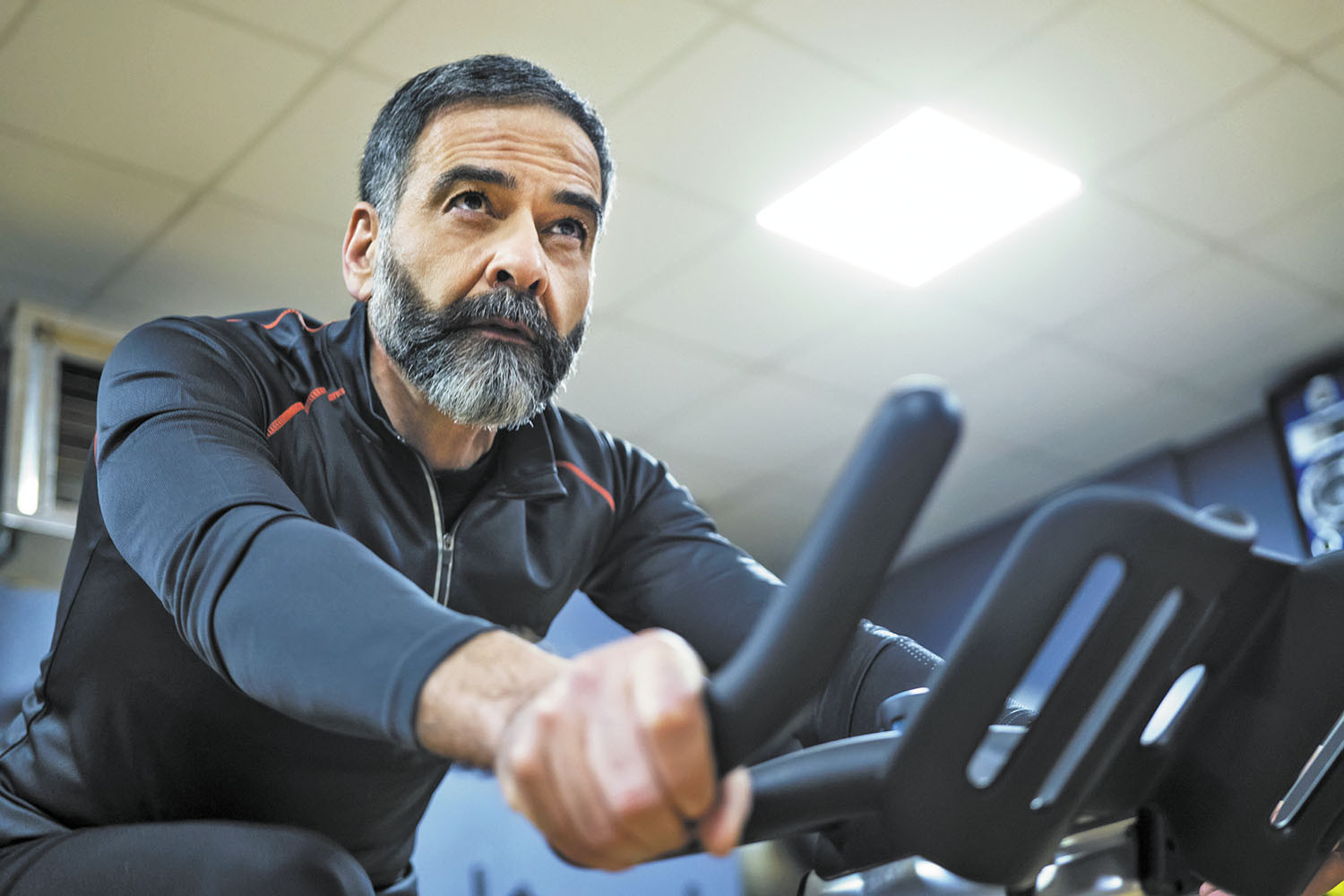
These master-level athletes can teach you how to stay fit and healthy.
Image: © Vesnaandjic/Getty Images
You're never too old to learn from the experience of others. For instance, master athletes in their 60s, 70s, and even 80s might compete at a higher level than you, but they still face the same age-related challenges.
"You can gain much wisdom from these individuals, such as how to exercise smarter, how to overcome obstacles, and how to stay motivated," says Dr. Adam Tenforde, assistant professor of physical medicine and rehabilitation at Harvard-affiliated Spaulding Rehabilitation Hospital. "They have developed strategies that can be adopted by the average person to help maintain health and reach specific goals."

How do I deal with dry, itchy winter skin?
On call
Q. My skin gets dry and itchy in winter, and there are so many moisturizers available. What should I look for?
A. Dry skin develops when your skin doesn't retain sufficient moisture. This is often a problem in winter when the air both indoors and outdoors has low humidity, as the water content of our skin tends to reflect the level of humidity around it. Fortunately, using a good moisturizer is a simple way to relieve winter dry skin.

What can I do about poor night vision?
Image: Igor Alecsander/iStock
On call
Q. I have trouble seeing clearly at night, especially when I drive. Should I change my glasses, or could it be a more serious eye problem?
A. As people reach age 60 and older, trouble seeing at night becomes a typical issue. The problem could be with your glasses or your eyes. Your eyesight might have changed since you were last fitted with glasses, and the change is noticeable only at night. If so, an updated prescription for new lenses may do the trick. Even if your eyeglass prescription is correct, ask your optometrist to add an antireflective coating to your lens to cut down on the glare of headlights of an oncoming car.
Don’t be such a stiff
There are ways to keep morning stiffness from being a pain.
Image: © FluxFactory/Getty Images
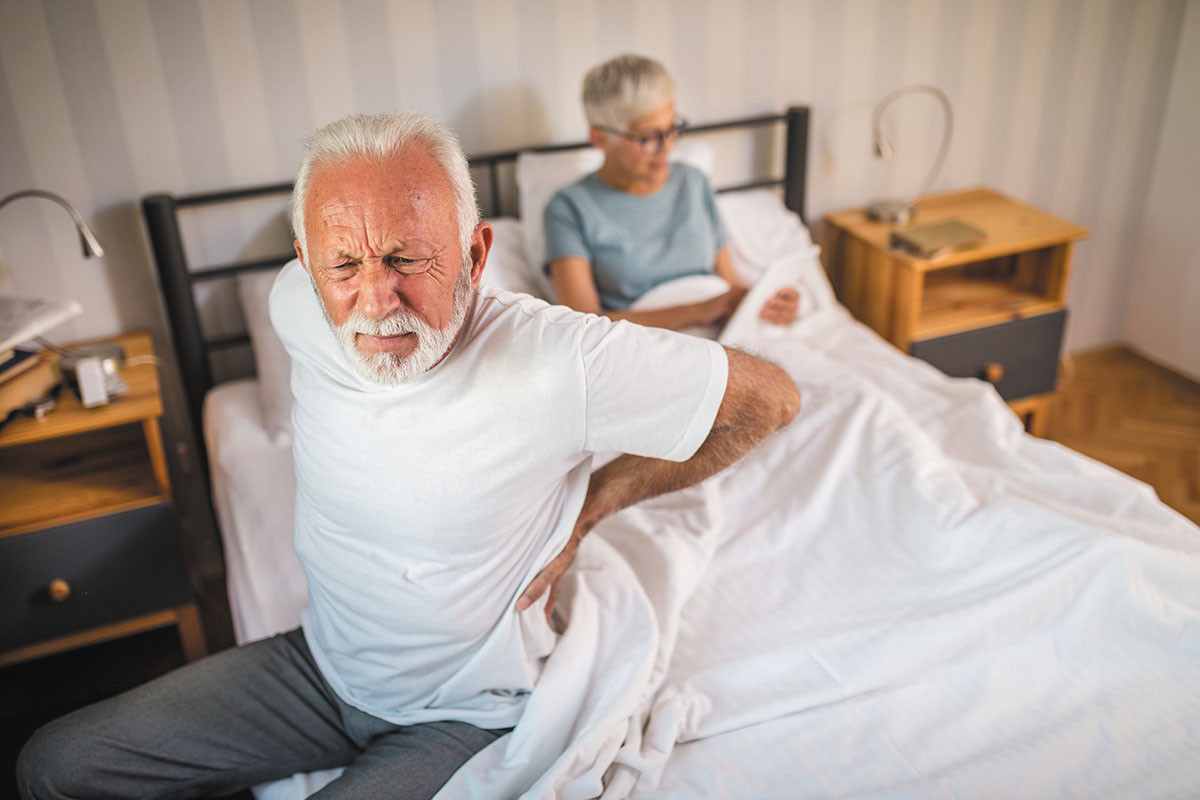
Ever get that "old man" stiffness in the morning? You know the feeling: the dull, achy, and sometimes painful feeling in your joints — along with the customary grunts and groans — when you first stand and slowly move around.
"It's not known why this happens, especially as people age, but the only common thread is that it occurs after long bouts of inactivity," says Dr. William Docken, a rheumatologist with Harvard-affiliated Brigham and Women's Hospital. "That is why you often feel so stiff when you wake up, since sleeping is when you are inactive for the longest continuous time."
Give yourself a health self-assessment
Begin the new year by reviewing where you are now and where you want to go.
Image: © Christopher Robbins/Getty Images
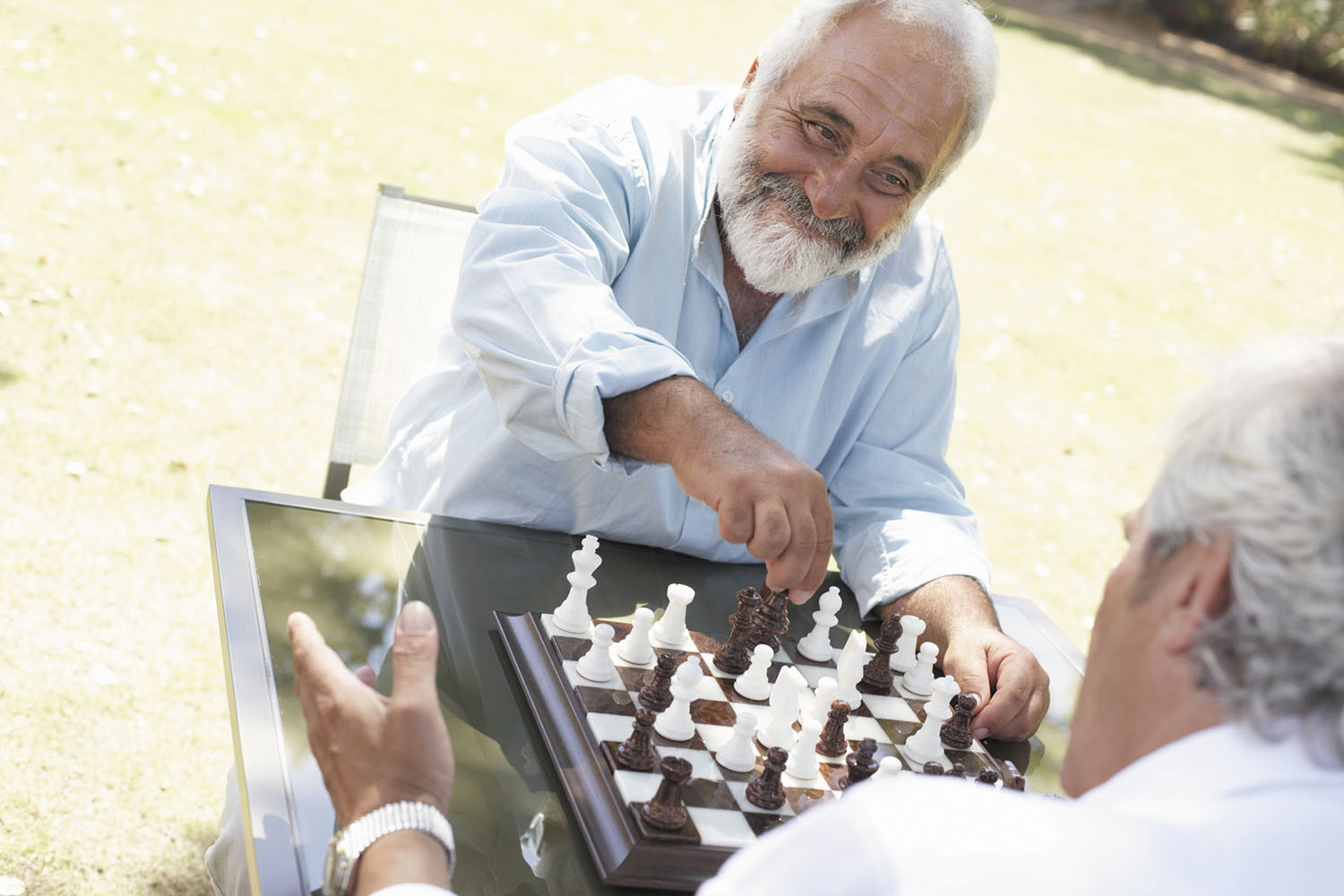
This year, don't fall back on the standard resolutions as a way to set goals. Instead, do a health self-assessment. It's a way to measure where you are now, decide what you want to do, and determine how to get there.
"A health self-assessment gathers the vital information you need to begin thinking more about your life and how you want to live," says Susan Flashner-Fineman, Vitalize 360 Coach at Harvard-affiliated Hebrew SeniorLife, a comprehensive wellness program that promotes healthy aging. "It helps identify your life goals, which can vary from something as simple as ensuring you can continue your independent living to something more ambitious, like traveling more."
CoQ10: Should you take this popular supplement if you're on a statin?
Oat vs. dairy milk: Nutrition, benefits, and downsides
Microplastics: A hidden health threat?
Healing after food poisoning
What is tempeh? Benefits, nutrition, and how to use it
Light exposure at night may raise risk for heart disease
Whole grains may improve several heart risk factors at once
A lumbar belt may help ease low back pain
Children of centenarians may stay healthier and live longer too, study finds
Signs of pneumonia: Sometimes vague and unexpected
Free Healthbeat Signup
Get the latest in health news delivered to your inbox!
Sign Up
