

People who walk more or walk faster live longer, study finds

For sleep apnea, a dental device may be as effective as CPAP

Rosacea treatments: What works?

Carb cycling: What is it, and does it work?

Understanding orthorexia: Have your healthy eating goals gone too far?

Salmonella, E. coli, Cyclospora, and other germs that cause food poisoning: What you need to know

Melatonin or magnesium: Can either supplement help you sleep?

Naturally gluten-free foods

Shingrix shingles vaccine linked with lower heart disease risks

Harvard study: Healthier fats linked to longer life after prostate cancer diagnosis
Eye Health Archive
Articles

Glaucoma: What’s new and what do I need to know?
Glaucoma, the second leading cause of permanent blindness in the US, is a group of disorders that damage the optic nerve. It is a complex disease, and while there is currently no cure, diagnosis and prompt treatment can slow or stop progression of vision loss. All adults should have regular eye exams starting at age 40, whether vision is normal or not.

Shingles of the eye can cause lasting vision impairment
There are about one million cases of shingles in the US each year, and up to 20% of those involve nerves in the head, where the infection can affect various parts of the eye. If a case of shingles involves the upper face, forehead, or scalp, it is important to see an ophthalmologist promptly, because complications can lead to eye damage and possible vision impairment.

Age-related macular degeneration: Early detection and timely treatment may help preserve vision
Age-related macular degeneration is the leading cause of blindness in people over 60. In order to preserve vision, it’s important to understand the stages of ARMD, its signs and symptoms, how the disease progresses, how to monitor it, and what treatments are available.
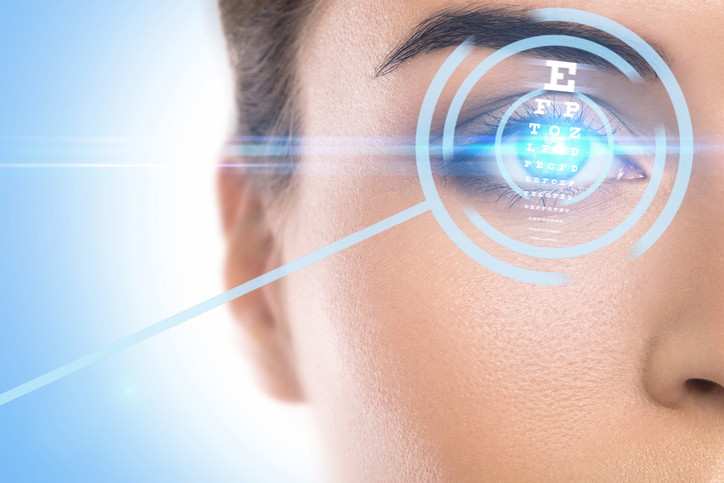
SMall Incision Lenticule Extraction (SMILE): It’s what’s new in laser vision correction
Different types of laser vision correction procedures have been available since the mid-1990s, but the newest development, small incision lenticule extraction, combines the advantages of the other variations while offering a comfortable procedure with a quick recovery.
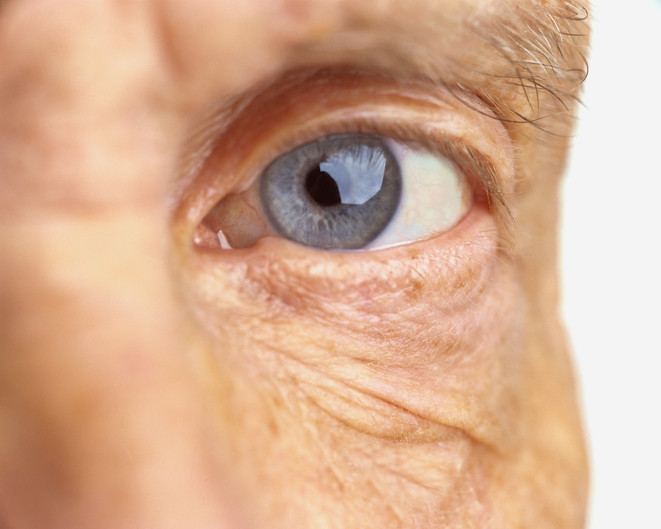
Diabetic retinopathy: Understanding diabetes-related eye disease and vision loss
Over seven million people have diabetic retinopathy, the most common form of vision loss in working-age adults with diabetes. It’s recommended that people with diabetes should work to keep blood pressure in the normal range and their A1c level below 7% to avoid complications such as diabetic retinopathy.
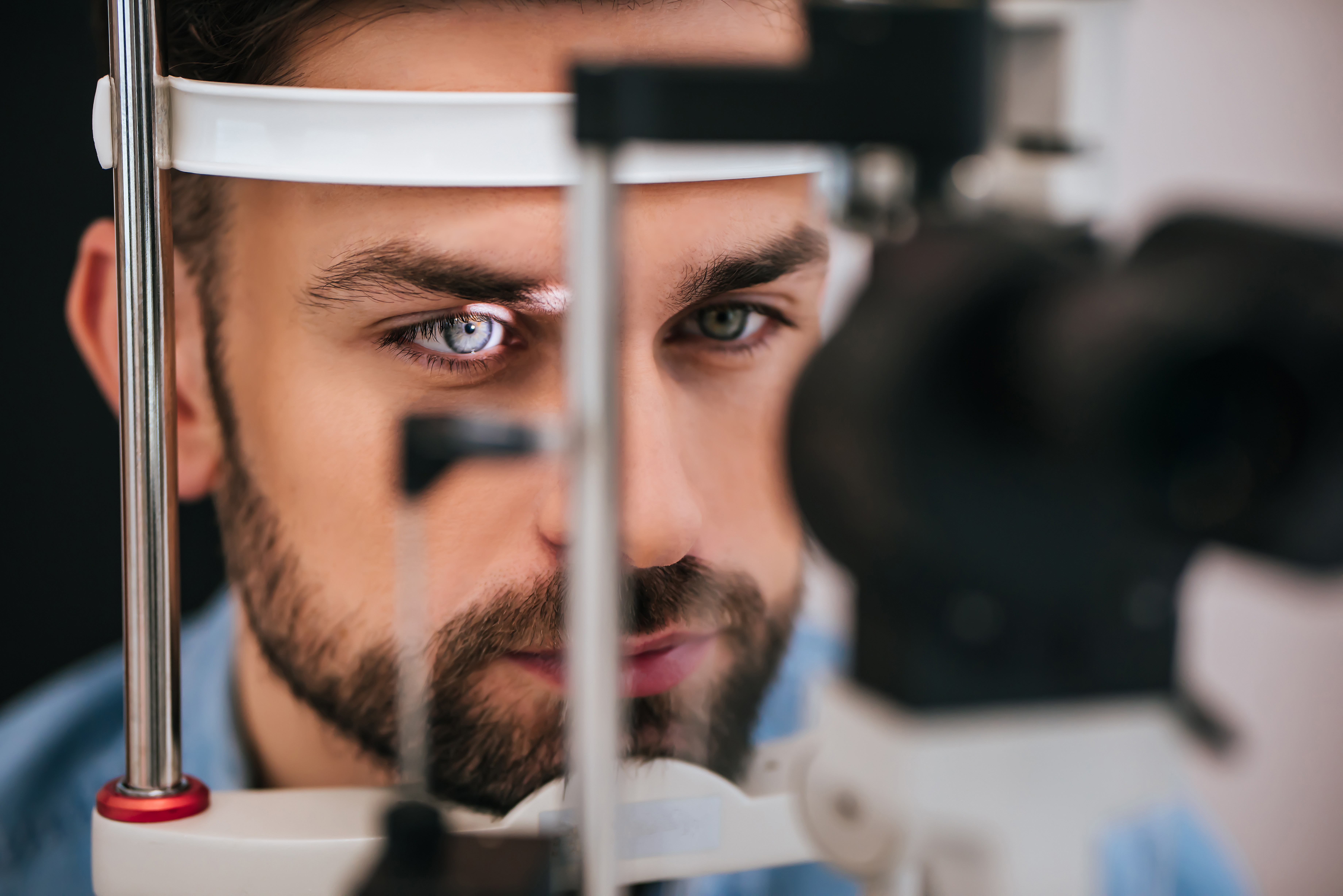
Can an eye exam reveal Alzheimer’s risk?
New research considers whether certain eye conditions may help predict Alzheimer’s disease. The common link? Cardiovascular disease, which is partly preventable.
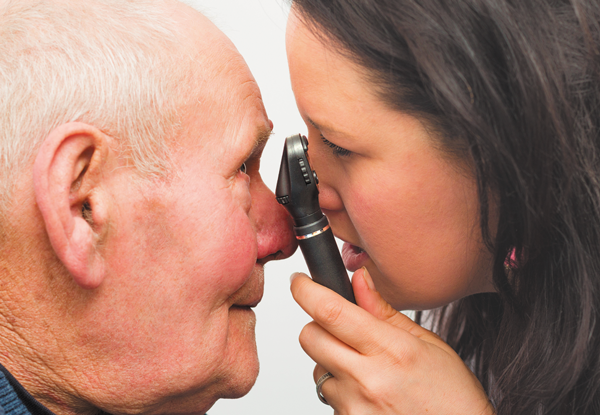
What's the latest in cataract surgery?
Advances in imaging, measuring, and lenses are making the procedure even better.
Image: Thinkstock
A cataract—clouding of the lens inside the eye—is a common cause of poor vision and blindness among older adults. But cataracts can be removed and replaced with artificial lenses. Sound scary? It's not. "Cataract surgery is something that just about everyone will need if you live long enough. Thankfully, with all of the tools and technologies at our disposal, much of it has become fairly routine. The vast majority of people have excellent outcomes with improvement in their quality of vision," says Dr. Christian Song, a cataract and refractive surgeon at Harvard-affiliated Massachusetts Eye and Ear Infirmary.
Typical surgery
Cataract surgery is an outpatient procedure. To remove the cataract, the surgeon makes a circular incision around the eye's lens, and then uses ultrasound technology to break up and remove the cloudy lens. After that, a new lens is slipped into the eye.

Use sunglasses for vision protection starting at an early age
When kids pack for summer camp, sunglasses may not always top the supply list. But I made them a priority for my 12-year-old son Carson, who just started rowing camp in Florida, because eyes are vulnerable to damaging ultraviolet rays, which are especially intense near reflective surfaces. Ultraviolet rays can damage the eyes several way, ultimately leading to cataract, glaucoma, macular degeneration, and other thieves of vision. You don’t have to spend a bundle to get a good pair of sunglasses. Just make sure to pick ones that block close to 100% of ultraviolet A and ultraviolet B (UVA and UVB) rays.
People who walk more or walk faster live longer, study finds
For sleep apnea, a dental device may be as effective as CPAP
Rosacea treatments: What works?
Carb cycling: What is it, and does it work?
Understanding orthorexia: Have your healthy eating goals gone too far?
Salmonella, E. coli, Cyclospora, and other germs that cause food poisoning: What you need to know
Melatonin or magnesium: Can either supplement help you sleep?
Naturally gluten-free foods
Shingrix shingles vaccine linked with lower heart disease risks
Harvard study: Healthier fats linked to longer life after prostate cancer diagnosis
Free Healthbeat Signup
Get the latest in health news delivered to your inbox!
Sign Up
