

People who walk more or walk faster live longer, study finds

For sleep apnea, a dental device may be as effective as CPAP

Rosacea treatments: What works?

Carb cycling: What is it, and does it work?

Understanding orthorexia: Have your healthy eating goals gone too far?

Salmonella, E. coli, Cyclospora, and other germs that cause food poisoning: What you need to know

Melatonin or magnesium: Can either supplement help you sleep?

Naturally gluten-free foods

Shingrix shingles vaccine linked with lower heart disease risks

Harvard study: Healthier fats linked to longer life after prostate cancer diagnosis
Eye Health Archive
Articles

Shining light on night blindness
Night blindness makes it hard to see in dim or dark settings, which can affect safety at home and make driving dangerous after dark. While the cause varies, there are steps people can take to address these problems.


When temporary vision loss in one eye isn't a sign of stroke
Retinal migraines cause temporary blindness or vision changes in just one eye. They are three times as common in women as men. Retinal migraines last from 10 minutes to an hour and arrive with or just after the start of the headache. Symptoms may seem similar to what can happen during a transient ischemic attack (TIA) or stroke. People who experience new vision changes, even temporary ones, should seek medical attention.
Older adults with vision problems face higher dementia risks
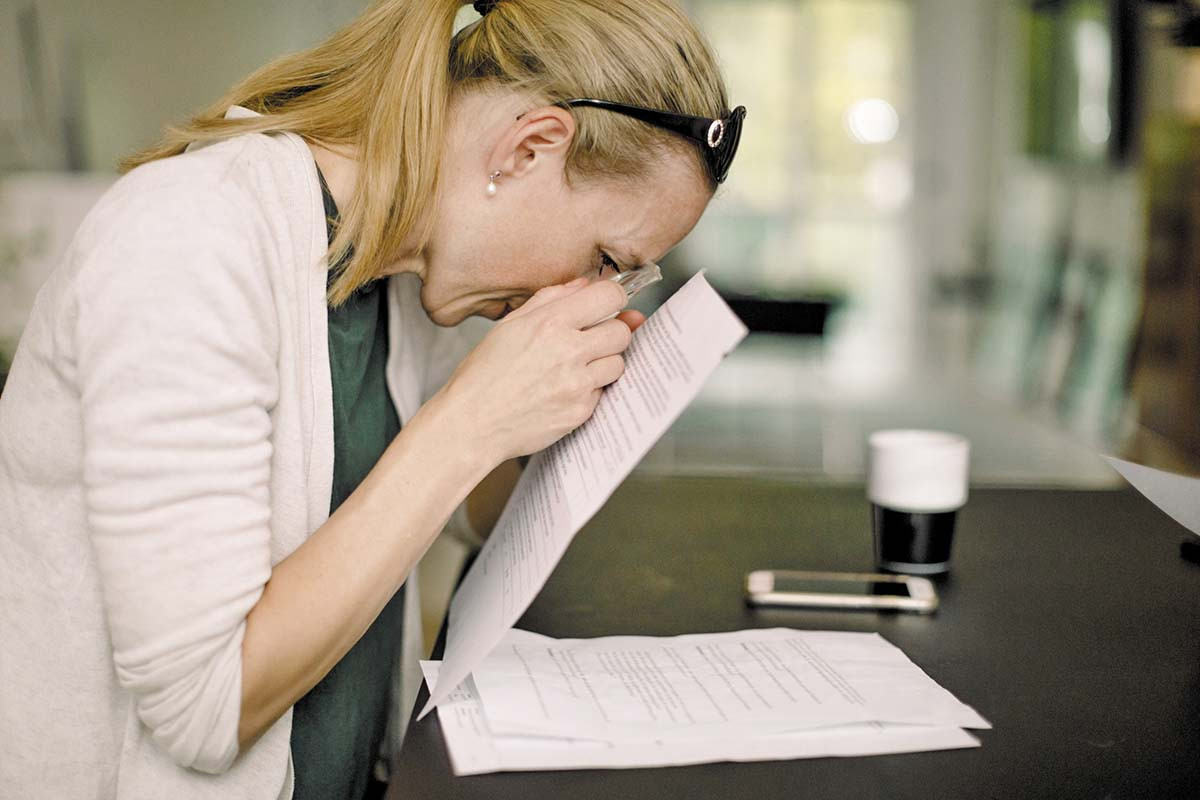
A 2023 study suggests older adults with vision problems, including up close or at a distance, face significantly higher risks of dementia than those with no vision problems.

A tough question: When should an older driver stop driving?
Navigating whether or when an older person should limit or stop driving is tricky. Whether these concerns are about a family member or yourself, it's helpful to be aware of red flags and to understand how driving abilities –– and risk for motor vehicle accidents –– change with age.

Insider tips for a smooth recovery from cataract surgery
Early planning can help people recover well from cataract surgery. That planning can include reviewing post-procedure instructions in advance; investigating whether a simplified eye drops regimen is available and will be covered by insurance; learning the right way to use eye drops, and teaching a loved one to help with their application if necessary; and preparing to take a break from certain physical activities, such as bending over, lifting objects that are 10 pounds or heavier, cleaning, vacuuming, or doing laundry.

Kidneys, eyes, ears, and more: Why do we have a spare?
The human body has excess capacity — that is, our organs have more reserve than most of us will ever need. Why are we built with this natural redundancy? And which body parts can safely fail or be removed without impairing health?

A look at dry eye
Dry eye syndrome is one of the most common eye problems among older adults. Common symptoms include a gritty feeling in the eyes, sensitivity to light, or fluctuating vision that comes and goes. People with the condition can have good and bad periods, but by following prevention methods and seeking treatment when the disease flares, they can keep dry eye from interfering with their lives.

Harvard Health Ad Watch: An IV treatment for thyroid eye disease
An ad for a medication to treat thyroid eye disease accurately describes the symptoms of the condition, but as is common with such ads it does not discuss other possible treatment options, or other information that people should be aware of.

Tools that help when it's hard to see
High-tech tools can help people with vision impairment. Examples include accessibility features (such as speech-to-text or text-to-speech) on a smartphone or computer; apps for navigation, magnification, or describing a scene; wearable devices that use video cameras to capture images and then project them onto tiny screens inside a headset; peripheral prism glasses, which shift light from one side of the eye to the other to make up for losses in field of vision; and household gadgets such as "talking" thermometers, scales, and calculators that audibly read out results.
People who walk more or walk faster live longer, study finds
For sleep apnea, a dental device may be as effective as CPAP
Rosacea treatments: What works?
Carb cycling: What is it, and does it work?
Understanding orthorexia: Have your healthy eating goals gone too far?
Salmonella, E. coli, Cyclospora, and other germs that cause food poisoning: What you need to know
Melatonin or magnesium: Can either supplement help you sleep?
Naturally gluten-free foods
Shingrix shingles vaccine linked with lower heart disease risks
Harvard study: Healthier fats linked to longer life after prostate cancer diagnosis
Free Healthbeat Signup
Get the latest in health news delivered to your inbox!
Sign Up
