

Whole grains may improve several heart risk factors at once

Light exposure at night may raise risk for heart disease

Children of centenarians may stay healthier and live longer too, study finds

A lumbar belt may help ease low back pain

Signs of pneumonia: Sometimes vague and unexpected

The surprising link between ovarian cancer and the fallopian tubes

Using a vibration plate: What it can — and can't — do for your body

People who walk more or walk faster live longer, study finds

Rosacea treatments: What works?

For sleep apnea, a dental device may be as effective as CPAP
Exercise and Fitness Archive
Articles
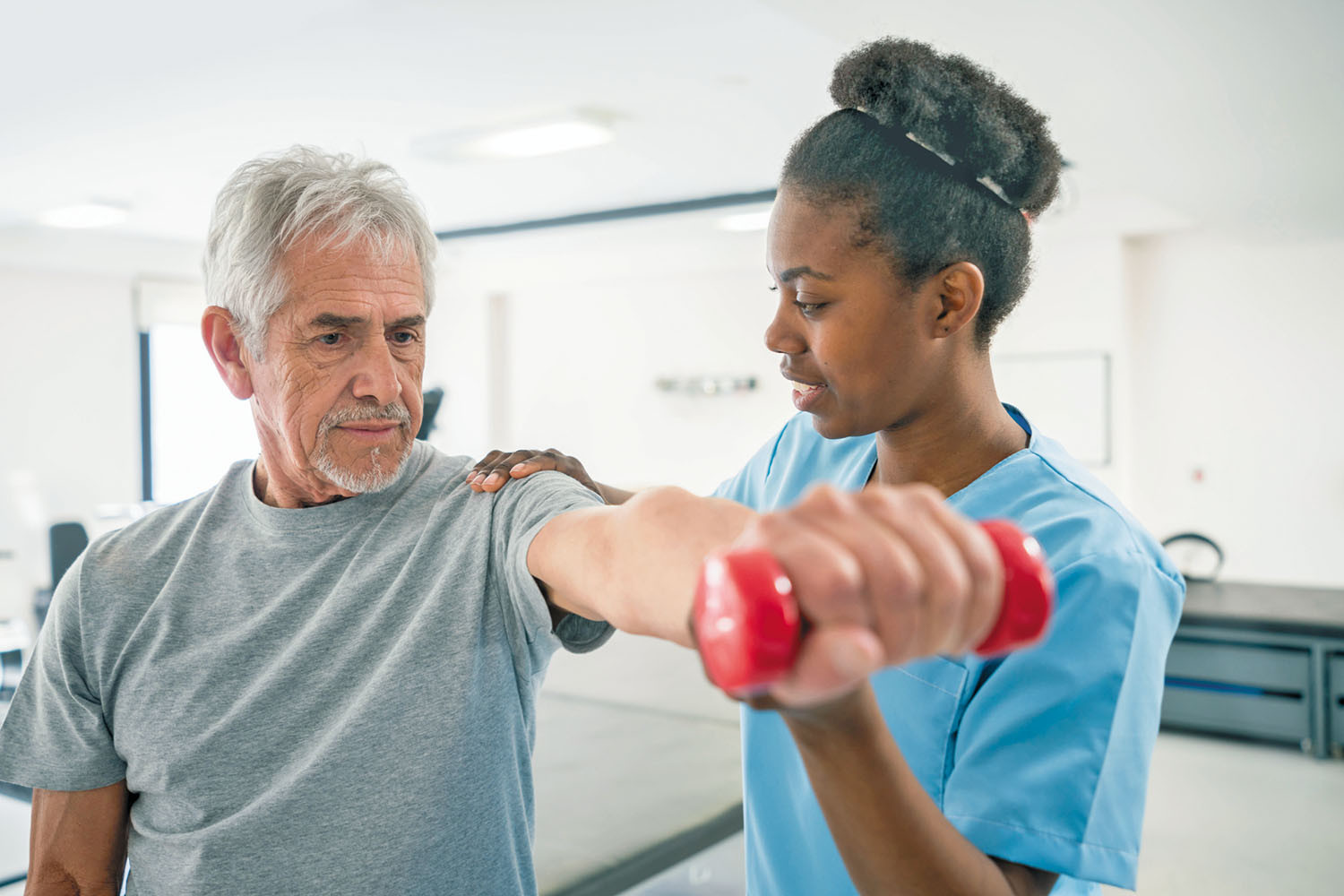
Fight back against muscle weakness
Pinpoint the cause and take steps to preserve your mobility and independence.
Muscle weakness is sneaky. It often appears gradually and makes once-simple tasks harder — like having to rock back and forth to get out of a chair or tug a few times on the car door to open it.
More than an inconvenience, muscle weakness has a domino effect on health. It slows your metabolism (how fast your body burns energy), puts more pressure on your joints, hurts your posture, throws off your balance, and limits your mobility.
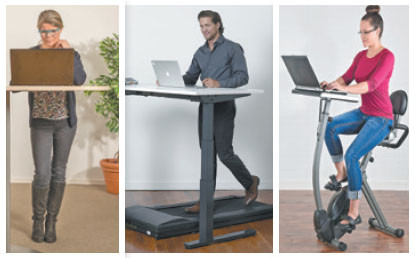
Should you use an active workstation at home?
These desks are tied to both health benefits and risks.
Active workstations aren't just for the office. The desks that enable you to stand, walk, or cycle while working are showing up in schools, libraries, airports, hotels, and even coffee shops. But is an active workstation so important you should use one at home, and is it safe for an older adult?
Why they're popular
Active workstations help people reduce time spent sitting. Prolonged periods of inactivity are linked to heart disease, stroke, diabetes, and even an early death. "All of our body functions — including blood flow, blood pressure, heart and lung function, and blood sugar processing — improve when we expend energy with physical activity, but they decline with inactivity," says I-Min Lee, a professor of medicine at Harvard Medical School who studies the role of physical activity in disease prevention.
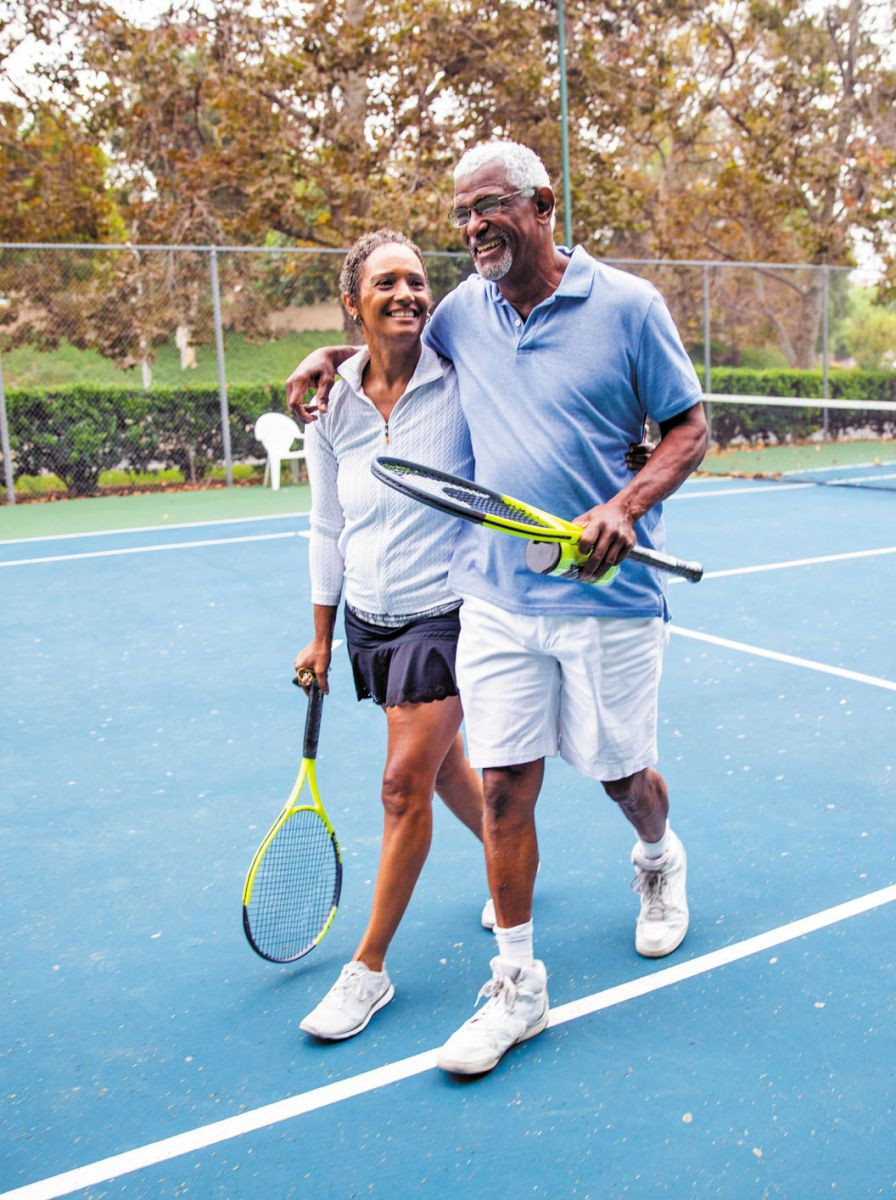
It's never too late to start exercising
News briefs
So you spent the first half of your life as a couch potato, and think it's too late for exercise to do any good? Think again. An observational study published online March 8, 2019, by JAMA Network Open links exercise to a lower risk for an early death, even if you wait until middle age to start a regular routine. Researchers analyzed health and exercise surveys from 315,000 older adults in the 1990s, then followed up to see who was still alive in 2011. Compared with people who never exercised, older adults who'd exercised consistently since they were teenagers had a 36% lower risk of dying during the study period. Those numbers were similar to the results for people who'd been inactive in their youth and only began exercising regularly in their 40s, 50s, and 60s. That group had a 35% lower risk of dying, compared with people who never exercised. The findings suggest that it's never too late to start an exercise regimen. Try brisk walking, swimming, or any exercise that gets your heart and lungs pumping.
Image: © adamkaz/Getty Images

To elevate your exercise routine, head outside
Walking or hiking in a natural area may benefit your heart more than working out indoors.
For many people, summer's long days and warm weather make it a great time to exercise outdoors. And that just might be a great way to boost the rewards from your workout, says Dr. Edward Phillips, assistant professor of physical medicine and rehabilitation at Harvard Medical School.
"When you're moving your body, your heart, lungs, and muscles don't know or care where you are. But your mind does," says Dr. Phillips. And if you're exercising outdoors in a beautiful natural setting, you might be tempted to go a little farther than if you set out to walk for just 30 minutes around your neighborhood, he notes. "Some people say it's hard to rack up 7,000 steps a day walking a familiar route. But they often find they can go twice as far on a hike, especially if there's a nice vista at the destination," he says. If you choose a trail that includes some hills, which will force your heart to work harder, that will also increase your fitness.
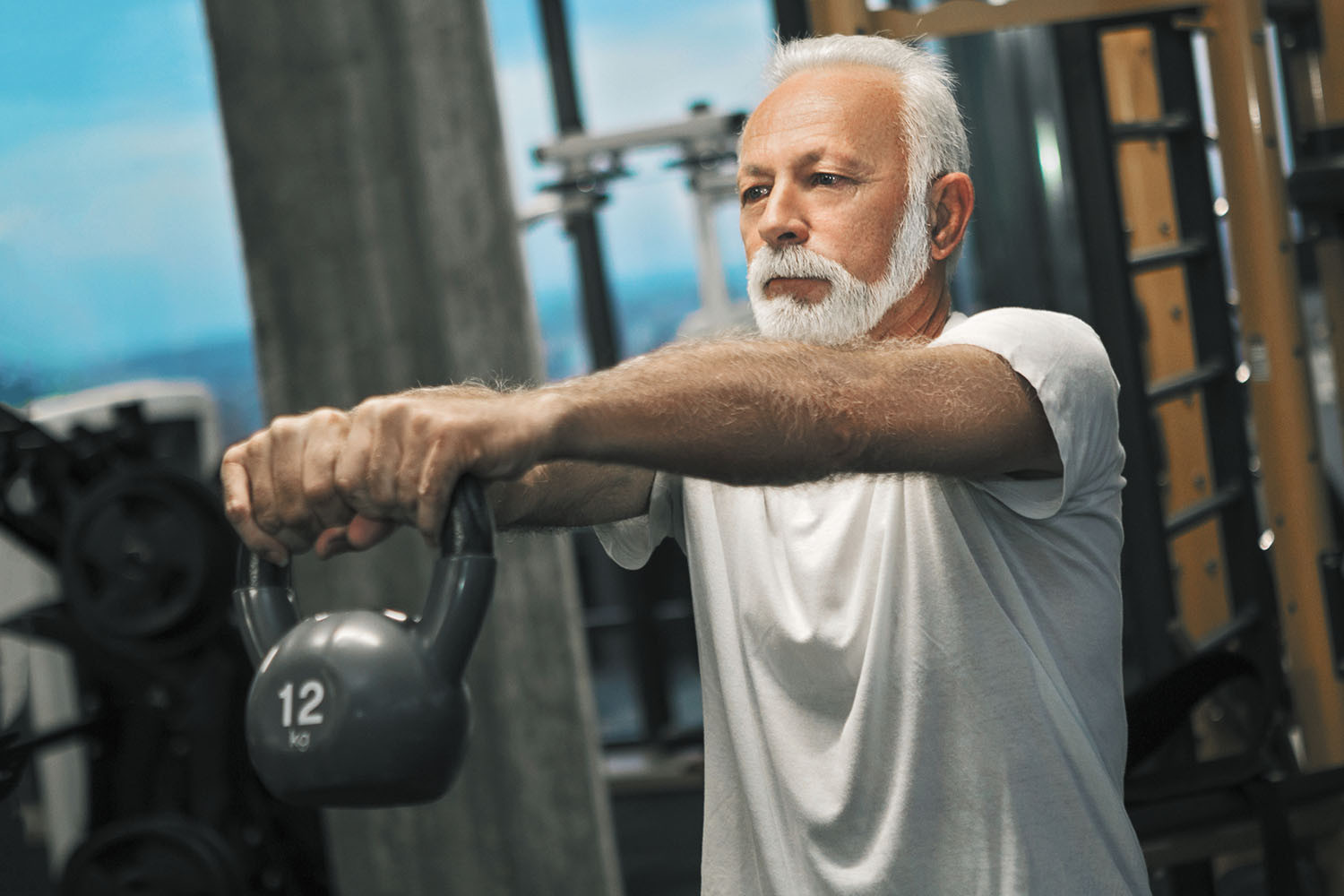
Take a swing at kettlebells
Here's why you should add kettlebells to your workouts.
Once considered trendy gym equipment, kettlebells now rank among the most versatile, go-to exercise tools.
Kettlebells look like a ball or bell with a handle on top. They vary in weight from 5 to 30 pounds or more. While they can function similarly to dumbbells, kettlebells have some distinct advantages. Unlike dumbbells, for example, kettlebells have an offset center of gravity.
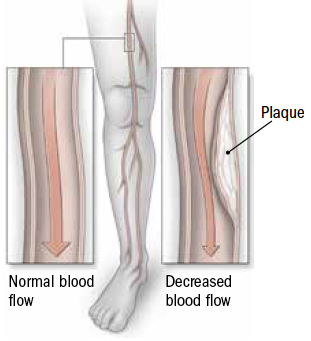
A leg up on peripheral artery disease
The condition causes leg pain and fatigue that make activity difficult, but lifestyle changes can improve how you feel.
The occasional leg pain or stiffness is often not cause for concern, but if pain or fatigue develops after just a few minutes of walking or climbing stairs, it could be an early sign of peripheral artery disease (PAD).
"PAD not only interferes with an active lifestyle, but also can put you at higher risk for a heart attack and stroke," says Dr. Michael Belkin, chief of the Division of Vascular and Endovascular Surgery with Harvard-affiliated Brigham and Women's Hospital. "You can't cure PAD once it occurs, so you want to take measures to avoid it as much as possible."

Look out for Lyme
Here's how to protect yourself from this growing tick-borne disease.
Summer is the ideal time to enjoy the outdoors, but while you're interacting with nature, you need to look out for ticks that carry Lyme disease, the most common tick-borne disease in the United States.
About 300,000 people are diagnosed with Lyme disease each year, according to the CDC, and new research suggests that number will rise by 20% by mid-century.

Broader social interaction keeps older adults more active
In the journals
A strong social life has been linked with many health benefits, like less risk of depression and longer life span. But a new study suggests that interacting with a wide range of people may offer even greater benefits.
The study, published Feb. 20, 2019, in The Journals of Gerontology, Series B: Psychological Sciences and Social Sciences, found that older adults who interacted with people beyond their usual social circle of family and close friends were more likely to have higher levels of physical activity, greater positive moods, and fewer negative feelings.
Is lack of exercise a problem if I'm at my ideal weight?
Ask the doctors
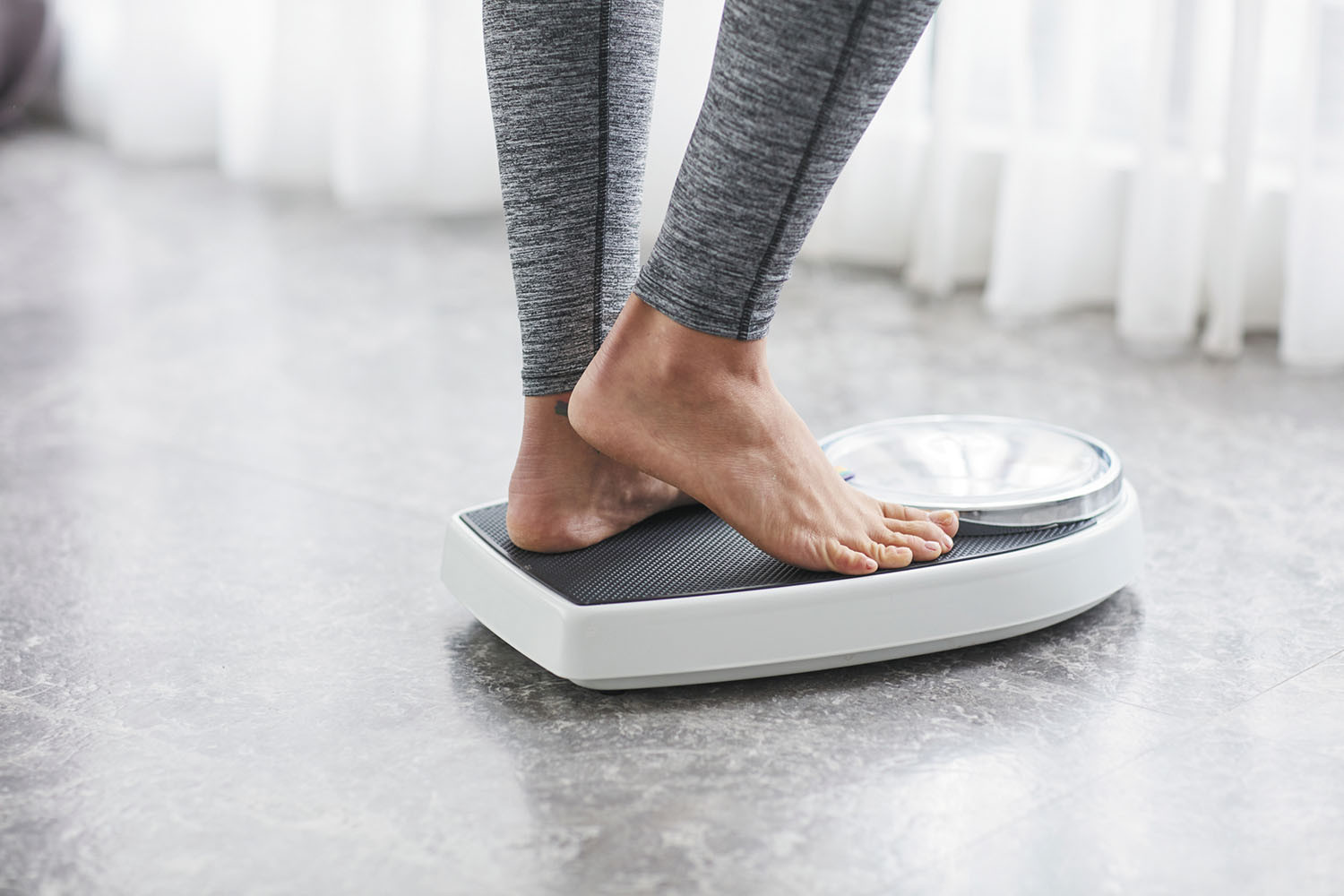
Q. I don't need to lose weight, so I don't exercise very often, but I maintain a healthy diet. Could my lack of exercise lead to health problems?
A. Exercise is essential for good health — even if you're not overweight. This point is illustrated by a recent study, published March 1 in The American Journal of Cardiology. It found that 30% of normal-weight people who were sedentary had the same risk of heart attack and stroke as people who were overweight. In short, just being at a healthy weight didn't necessarily ensure that someone was in good health. In addition to having a higher risk of serious cardiovascular events, some inactive but normal weight people were also more likely to have labored breathing during exercise and a larger-than-recommended waist circumference, compared with normal-weight adults who exercised regularly.

Exercise after age 70
There are no official fitness guidelines for older adults, but the basic exercises for senior are the same at every age.
The average 65-year-old can expect to reach her 85th birthday, and the average 75-year-old will live to age 87. How we'll celebrate those birthdays — as the life of the party or immobilized on the sidelines — has a lot to do with how we spend our time today. Although none of us can be certain that we'll be spared debilitating disorders that could rob us of our mobility, there's no doubt that regular exercise will help improve our ability to function at almost any age or level of fitness.
Whole grains may improve several heart risk factors at once
Light exposure at night may raise risk for heart disease
Children of centenarians may stay healthier and live longer too, study finds
A lumbar belt may help ease low back pain
Signs of pneumonia: Sometimes vague and unexpected
The surprising link between ovarian cancer and the fallopian tubes
Using a vibration plate: What it can — and can't — do for your body
People who walk more or walk faster live longer, study finds
Rosacea treatments: What works?
For sleep apnea, a dental device may be as effective as CPAP
Free Healthbeat Signup
Get the latest in health news delivered to your inbox!
Sign Up
