

Whole grains may improve several heart risk factors at once

Light exposure at night may raise risk for heart disease

Children of centenarians may stay healthier and live longer too, study finds

A lumbar belt may help ease low back pain

Signs of pneumonia: Sometimes vague and unexpected

The surprising link between ovarian cancer and the fallopian tubes

Using a vibration plate: What it can — and can't — do for your body

People who walk more or walk faster live longer, study finds

Rosacea treatments: What works?

For sleep apnea, a dental device may be as effective as CPAP
Exercise and Fitness Archive
Articles
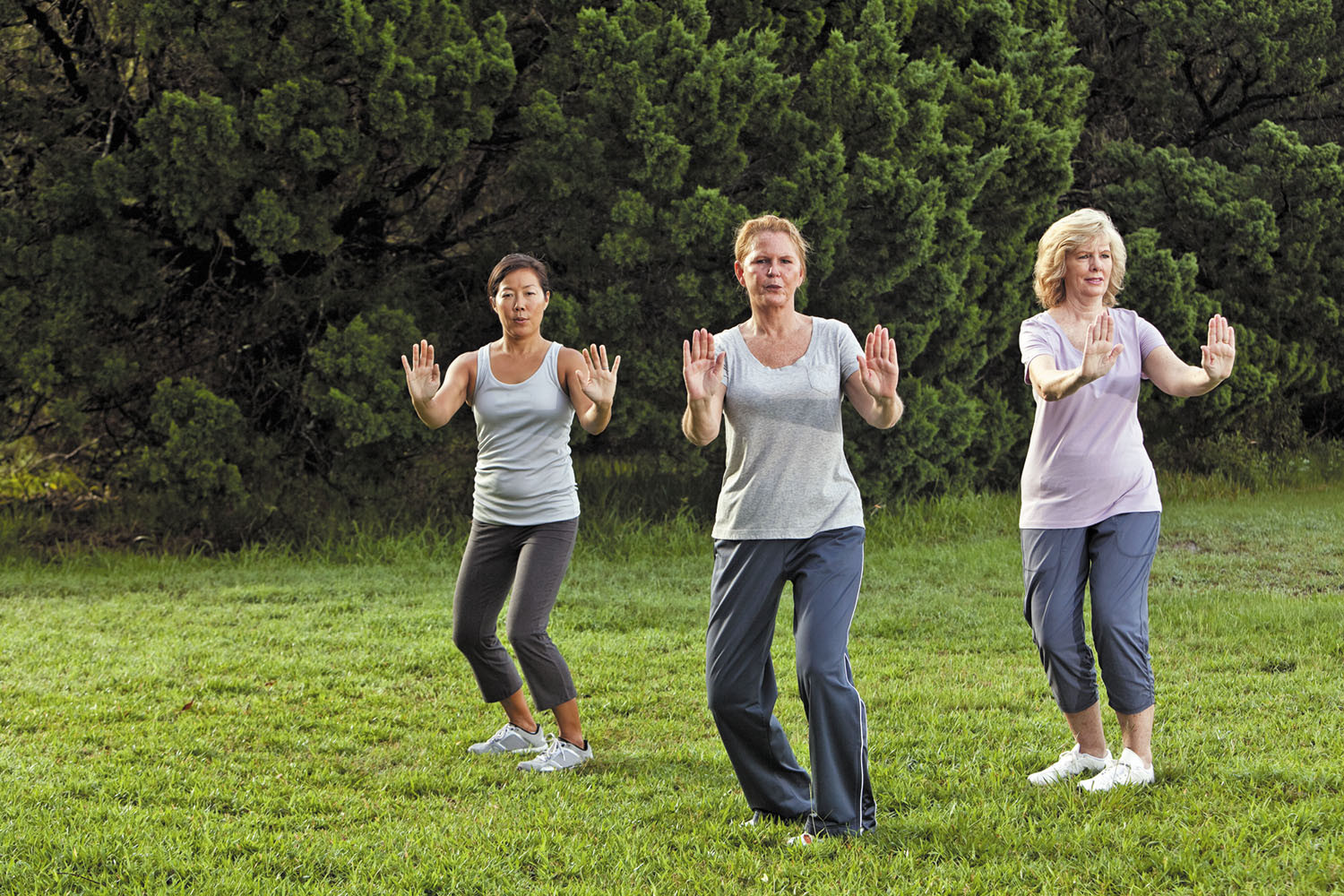
Is exercise good for arthritis?
Ask the doctors
Q. I have arthritis and my doctor recommended I start exercising, but I'm worried it will make my pain worse. Should I follow her advice?
A. Yes, your doctor is right. Although it may seem counterintuitive to move more when your joints hurt, studies have shown that exercise can reduce arthritis-related pain, fatigue, and stiffness. Exercise is also important for your overall health and can help reduce your risk of heart disease, obesity, and diabetes.

4 stretches to keep your shoulders in shape
Keeping your shoulder muscles flexible will help prevent injury.
The shoulder is the body's most complicated joint. It's where the ends of the collarbone, upper arm bone, and shoulder blade meet. And it's prone to arthritis (a wearing away of the cartilage between the bones), as well as tears or tendinitis (inflammation) in the rotator cuff — the group of tendons that helps you raise and rotate your arm. Shoulder pain can keep you from being able to raise your arms to get dressed, or reach up to a cupboard or out to a door.
But an easy way to stave off shoulder problems is to regularly stretch the muscles that support the joints. "The muscles need to be long and flexible to stay healthy. You're more vulnerable to injury when your shoulder muscles are tight and restricted," explains Clare Safran-Norton, clinical supervisor of rehabilitation services at Harvard-affiliated Brigham and Women's Hospital.

Skip vitamins, focus on lifestyle to avoid dementia
News briefs
Vitamins and supplements won't help stave off dementia, but a healthy lifestyle might, suggest new guidelines released May 19, 2019, by the World Health Organization (WHO). The WHO warns that the number of new dementia cases around the world — currently 10 million per year — is set to triple by 2050. While there's no cure for any kind of dementia (such as Alzheimer's disease and vascular dementia), the WHO says it may be possible to delay the onset of the disease or slow its progression. The key: managing modifiable risks, such as chronic disease and unhealthy habits. The guidelines recommend that you keep your weight, cholesterol, blood pressure, and blood sugar under control; get lots of exercise; and eat a Mediterranean-style diet (which emphasizes olive oil, fruits, vegetables, nuts, and fish; minimizes red meats and processed meats; and includes a moderate amount of cheese and wine). The WHO also advises that you don't smoke and you avoid harmful use of alcohol (no more than one drink per day for women, no more than two drinks for men). But don't count on supplements to help you stave off dementia. The WHO says there's no evidence that vitamin B, vitamin E, multivitamins, or fish oil supplements help reduce the risk for dementia. The agency recommends against using supplements as a means to ward off cognitive decline.
Image: © kali9/Getty Images

Take a stand against heart disease
Sedentary time is one of the greatest threats to heart health.
First, the good news: more Americans than ever are considered active. A new report on heart disease and stroke statistics, published March 5, 2019, in Circulation, found the proportion of active adults increased from about 60% to 73% between 2007 and 2016.
Now, the bad news: despite this impressive increase, the same report found that almost one-quarter of American adults still don't meet the federal guidelines for physical activity.
Join the resistance
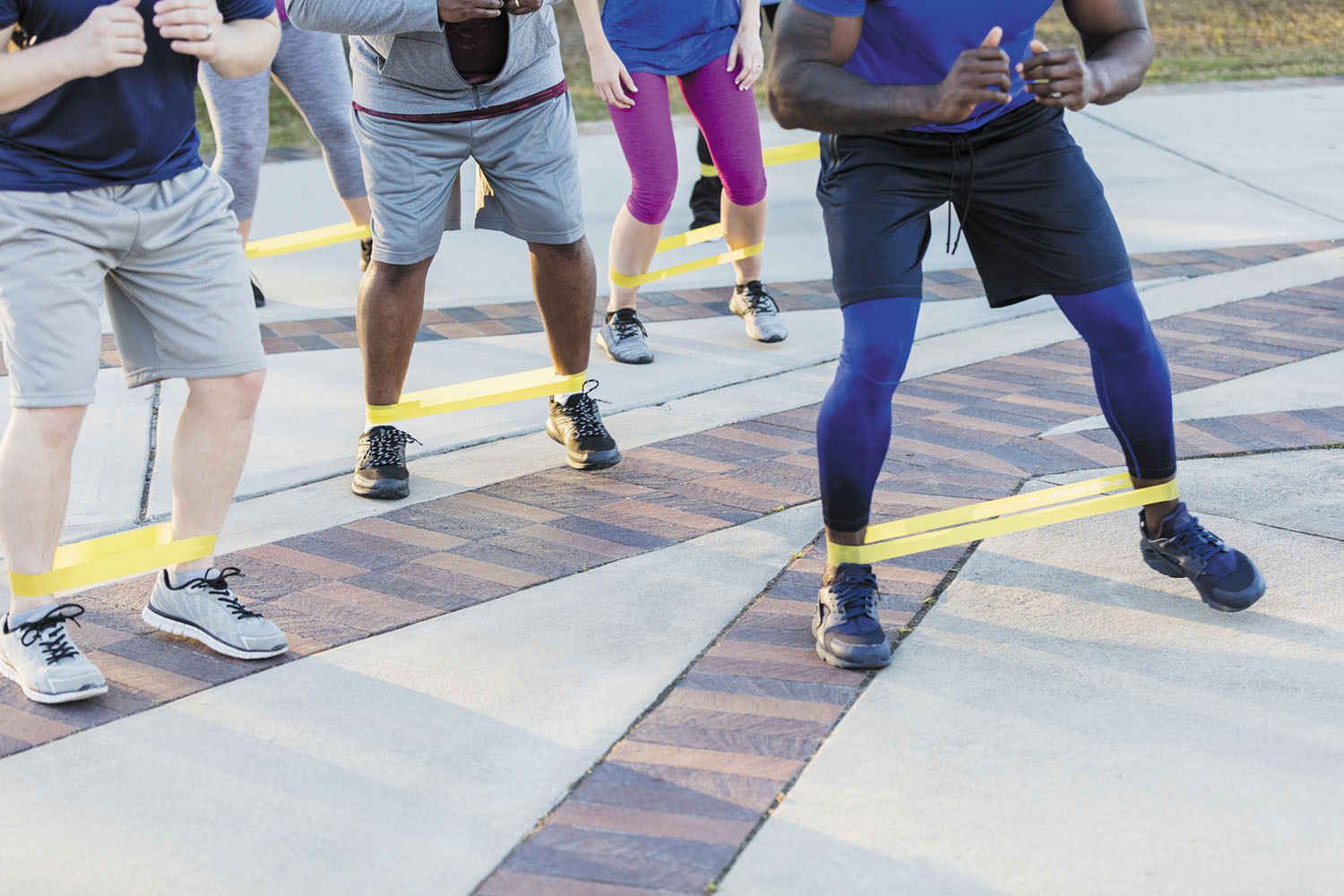
Resistance bands offer an easy way to get an all-around strength workout at home.
They are cheap and lightweight. They travel well, and you can do almost any kind of muscle-strengthening exercise with them. They are giant rubber bands known as resistance bands, and they should be part of every man's exercise toolbox.
"Whether you need to focus on specific areas or need to better control exercise resistance — like when recovering from an injury or dealing with joint pain — bands offer something for almost anyone, no matter his physical health, limitations, or fitness goals," says physical therapist Shawn Pedicini with Harvard-affiliated Spaulding Rehabilitation Network.

Step lively to a longer life?
Research we're watching
People who walk at a brisk clip may live longer than those who walk slowly — regardless of how much they weigh, a new study finds.
Researchers looked at data from nearly 475,000 adults in the United Kingdom Biobank study, which recruited middle-aged participants from 2006 to 2010. The participants, most of whom were slightly overweight, were asked to describe their usual walking pace as slow, average, or brisk.

10,000 steps a day — or fewer?
If you’re trying to take 10,000 steps a day, it can be discouraging to miss that well-known target. But why is 10,000 steps the goal? And is it really necessary to take that many steps every day?

Great exercise that's easier on the joints
Aquatic therapy can reduce pain and pressure while providing an effective workout.
When you're struggling with joint pain, gravity can make exercise an unpleasant experience. But exercising in water, also known as aquatic therapy, can change all that. "It enables you to do many of the same exercises you'd do on land without applying the same force on your joints," says Gayle Olson, a certified athletic trainer at the Sports Performance Center at Harvard-affiliated Massachusetts General Hospital.

Dive into a swimming regimen
Lap swimming offers a total-body workout of strengthening, stretching, and aerobic conditioning.
When you think of a swimming workout, you may envision an athlete pounding away at the water, racing from one end of the pool to the other. But you don't have to break speed records to reap the rewards of swimming back and forth, and you don't even have to do the competitive swimming stroke known as the crawl.
"The pace is up to you, and any stroke is fine. Breaststroke, sidestroke, and backstroke are often favored because a lot of people don't like putting their face in the water, like you have to do with the crawl," says Leigh de Chaves, a physical therapist and clinical supervisor of rehabilitation services at Harvard-affiliated Brigham and Women's Hospital. She also swam competitively in college.

Walk your dog, break a bone?
News briefs
Owning a dog has many benefits, and a great one is the exercise you get from taking the leashed pet for walks. But there's also a potential risk for older adults who walk their dogs: broken bones. According to a study published online March 6, 2019, by JAMA Surgery, researchers who combed through 13 years' worth of data from emergency departments across the United States identified a rising number of fractures among older adults walking leashed dogs: 1,700 in 2004, climbing to almost 4,400 in 2017. Most (53%) of the bone breaks were in the upper arm, and 17% were hip fractures. Almost 30% of the patients required hospital admission during the study period. Either a large dog (which can knock you down or pull you over) or a small dog (which can get under your feet) can pose a fall risk, especially if you have problems with balance. How can you protect yourself? The authors suggest obedience training can help keep Fido from putting you at risk.
Image: © monkeybusinessimages/Getty Images
Whole grains may improve several heart risk factors at once
Light exposure at night may raise risk for heart disease
Children of centenarians may stay healthier and live longer too, study finds
A lumbar belt may help ease low back pain
Signs of pneumonia: Sometimes vague and unexpected
The surprising link between ovarian cancer and the fallopian tubes
Using a vibration plate: What it can — and can't — do for your body
People who walk more or walk faster live longer, study finds
Rosacea treatments: What works?
For sleep apnea, a dental device may be as effective as CPAP
Free Healthbeat Signup
Get the latest in health news delivered to your inbox!
Sign Up
