

Whole grains may improve several heart risk factors at once

Light exposure at night may raise risk for heart disease

Children of centenarians may stay healthier and live longer too, study finds

A lumbar belt may help ease low back pain

Signs of pneumonia: Sometimes vague and unexpected

The surprising link between ovarian cancer and the fallopian tubes

Using a vibration plate: What it can — and can't — do for your body

People who walk more or walk faster live longer, study finds

Rosacea treatments: What works?

For sleep apnea, a dental device may be as effective as CPAP
Exercise and Fitness Archive
Articles

Even light physical activity may help your heart
Mounting evidence suggests that all movement — even low-effort activity — counts for preventing cardiovascular disease as people age.
When exercise experts talk about physical activity, they often focus on moderate and vigorous exercise — the types that get your heart pumping. But there's a growing appreciation that any type of activity that gets you up and off the couch also may benefit your heart.
One recent study found that doing light physical activity (preparing a meal or strolling through a park, for example) may lower the risk of cardiovascular disease among women in their early 60s and older (see "Low-intensity activity and heart disease risk"). The new study directly measured how much time people spent moving, using a device that tracked body movements and could assess light-intensity activity accurately, says study coauthor Dr. I-Min Lee, professor of medicine at Harvard Medical School.
Bust your belly for a healthier heart
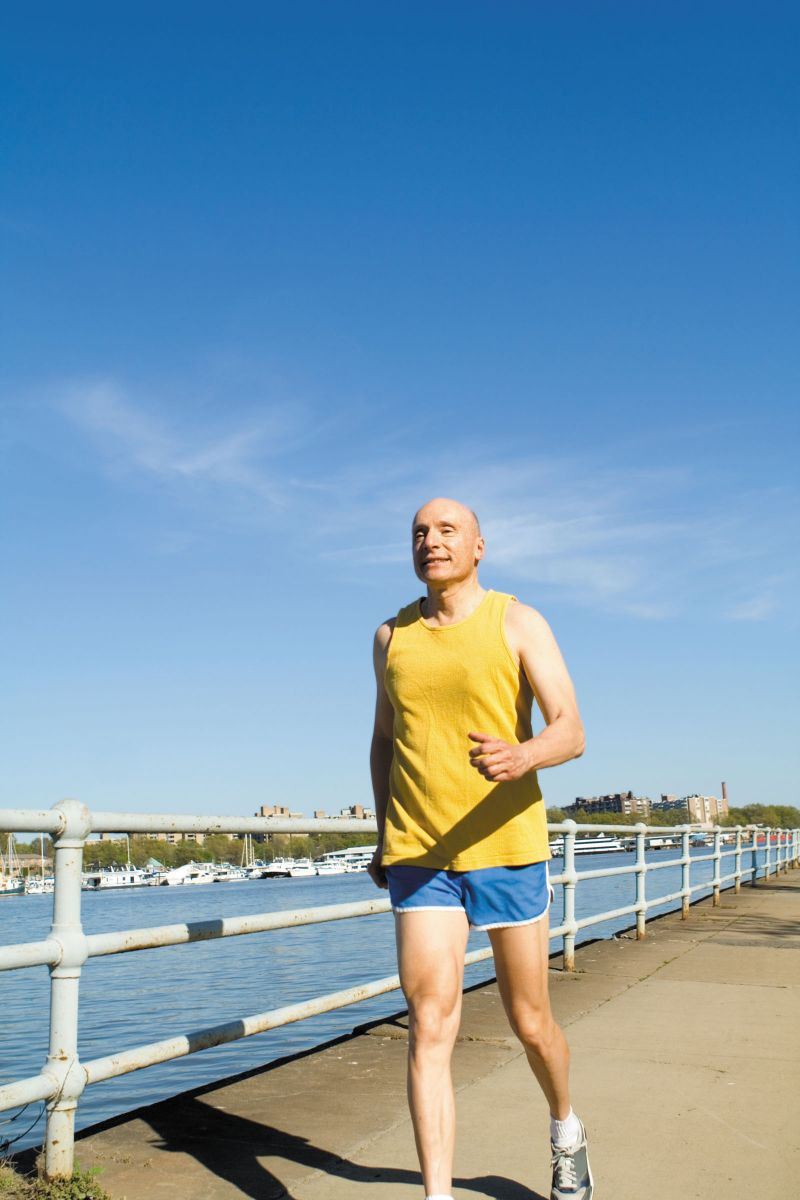
If your abdomen looks like an apple (or a beach ball), it's a sign that something hazardous lies beneath.
What's a telltale sign of potential health problems? Look down. Whether you call it a potbelly or spare tire, this noticeable bulge can be more dangerous than you realize.
"It's common for men to put on a few extra pounds every year as they age, but they really should pay attention to increasing waist size," says Dr. Jody Dushay, an endocrinologist with Harvard-affiliated Beth Israel Lahey Health. "Any extra weight around the waist can be especially detrimental to your health."
Dive in for joint health
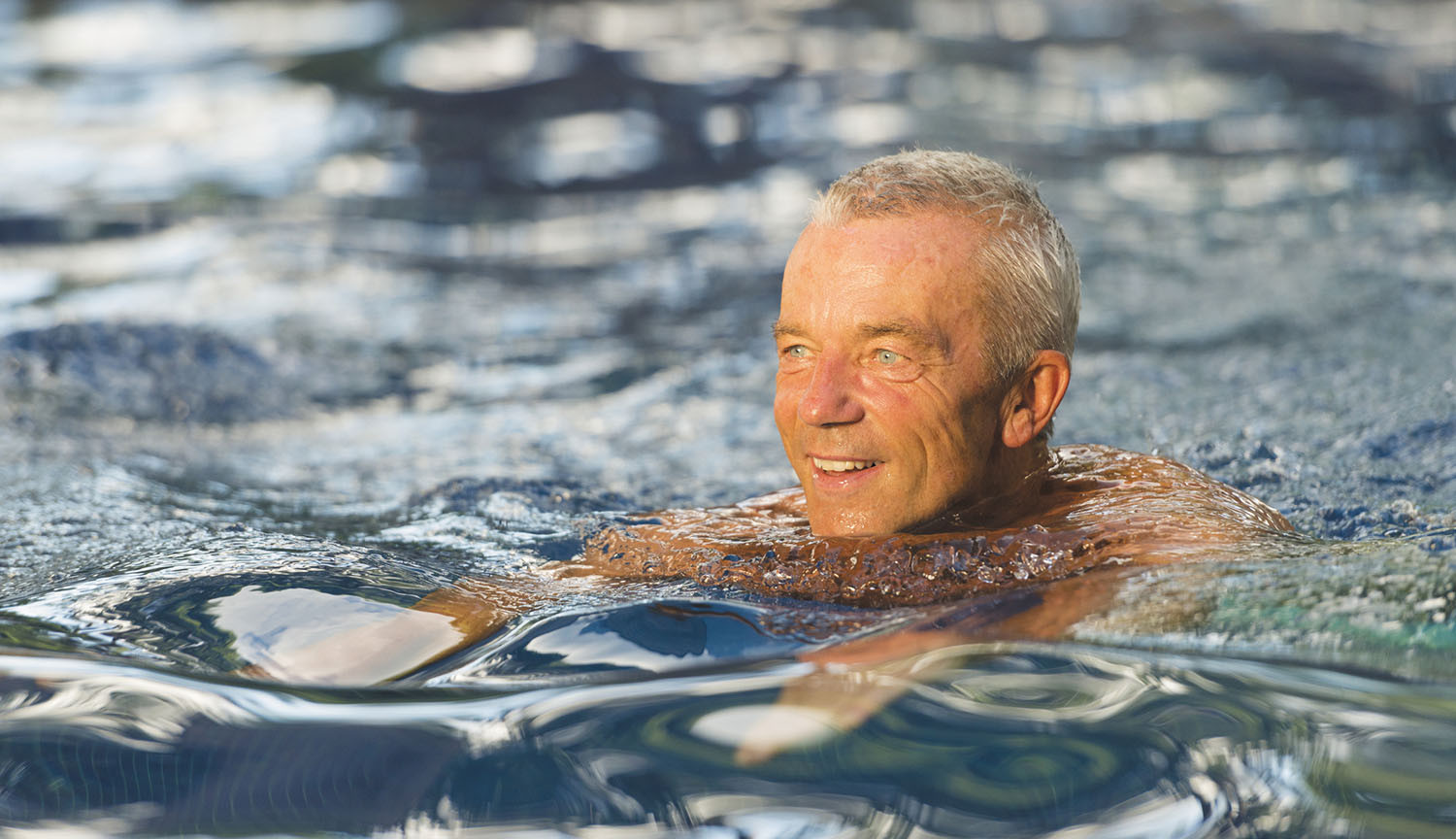
Swimming can keep your joints flexible, reduce stiffness, and increase mobility.
When you were a kid, swimming was no doubt a favorite summertime activity. Now, it may be one of the best ways to keep your older joints healthy.
"As a low-impact activity, swimming places minimal stress on the joints," says Sarah Ellison, an aquatic physical therapist with Harvard-affiliated Spaulding Rehabilitation Network. "The buoyancy of the water allows you to move limbs and joints more easily through their normal range of motion. This helps joints remain supple and improves overall flexibility."

Regular exercise adds up to big memory boosts
In the journals
It's well known that regular exercise helps maintain brain function. New research finds that brain activity increases and memory improves immediately after even a short, single bout of exercise.
And the more exertion you put into that exercise, the greater the improvements. In addition, whatever level of exertion you're able to achieve on that single exercise predicts how much brain boost you'll get if you continue to exercise at the same intensity over a longer term. These findings were presented at the Cognitive Neuroscience Society's annual meeting on March 24, 2019. Researchers recruited 34 people, average age 67, and gave each a baseline functional MRI (fMRI) scan, which reflects brain activity, and a memory test in which they had to remember faces. The researchers then asked the participants to exercise for 20 minutes on a stationary bike that could measure their physical effort.
Is your liver at risk?
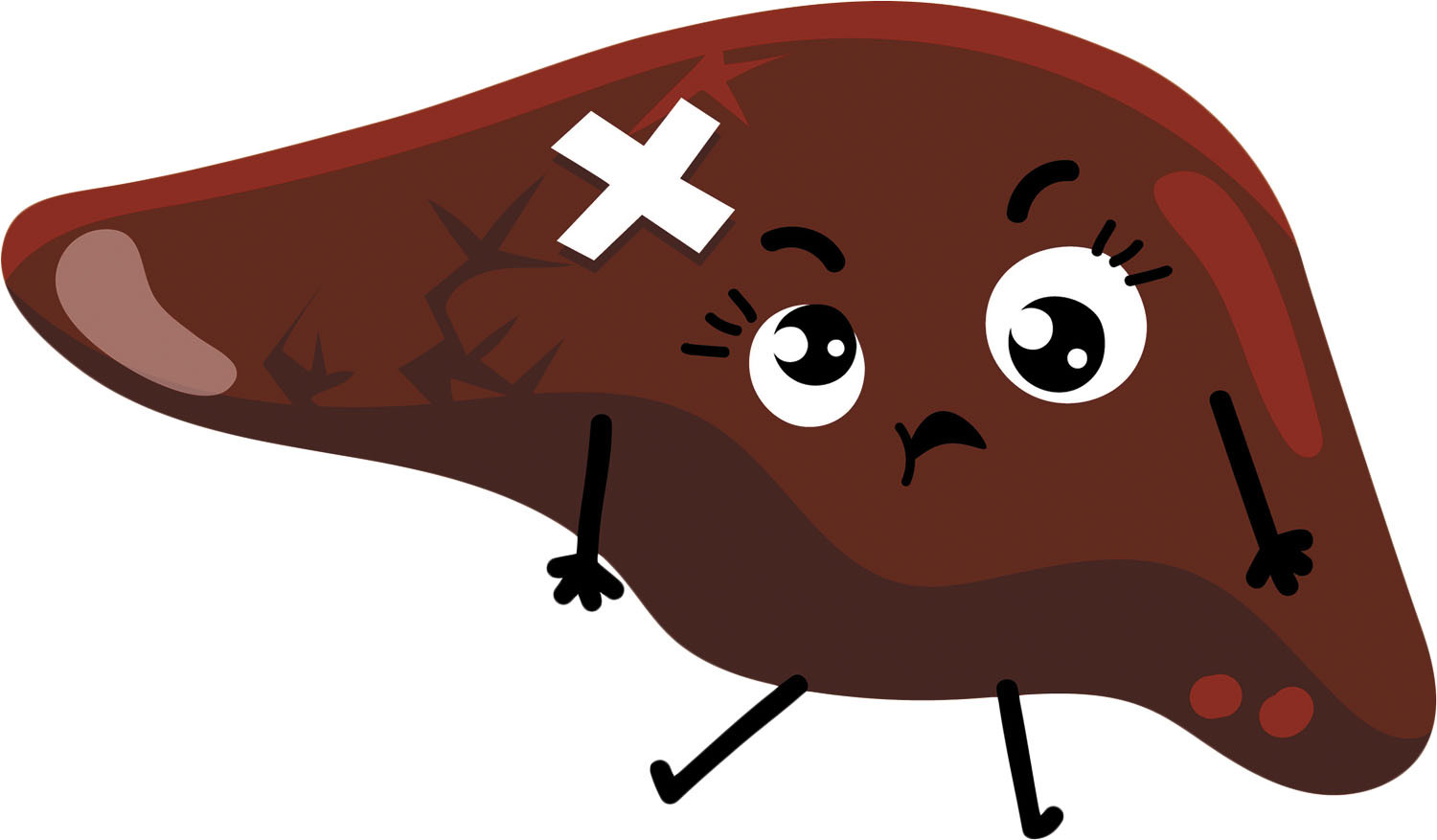
Many Americans have fatty liver disease, a condition that can lead to serious liver problems.
If you're not a big drinker, you may not give much thought to the health of your liver. But there might be reason to be concerned. An estimated 64 million Americans have an often-symptomless liver condition called nonalcoholic fatty liver disease (NAFLD), which may put them at risk not only for serious liver disease, but for heart disease as well.
Many people — including doctors — didn't pay much attention to NAFLD until the 1980s, but life insurance companies have had this issue on their radar for years, says Dr. Michelle Lai, an assistant professor of medicine at Harvard Medical School. They knew that an abnormal liver blood test could reflect a lower life expectancy, and they set the premium higher or decline to insure people with the condition, she says.
Simplify your workout with lap swimming
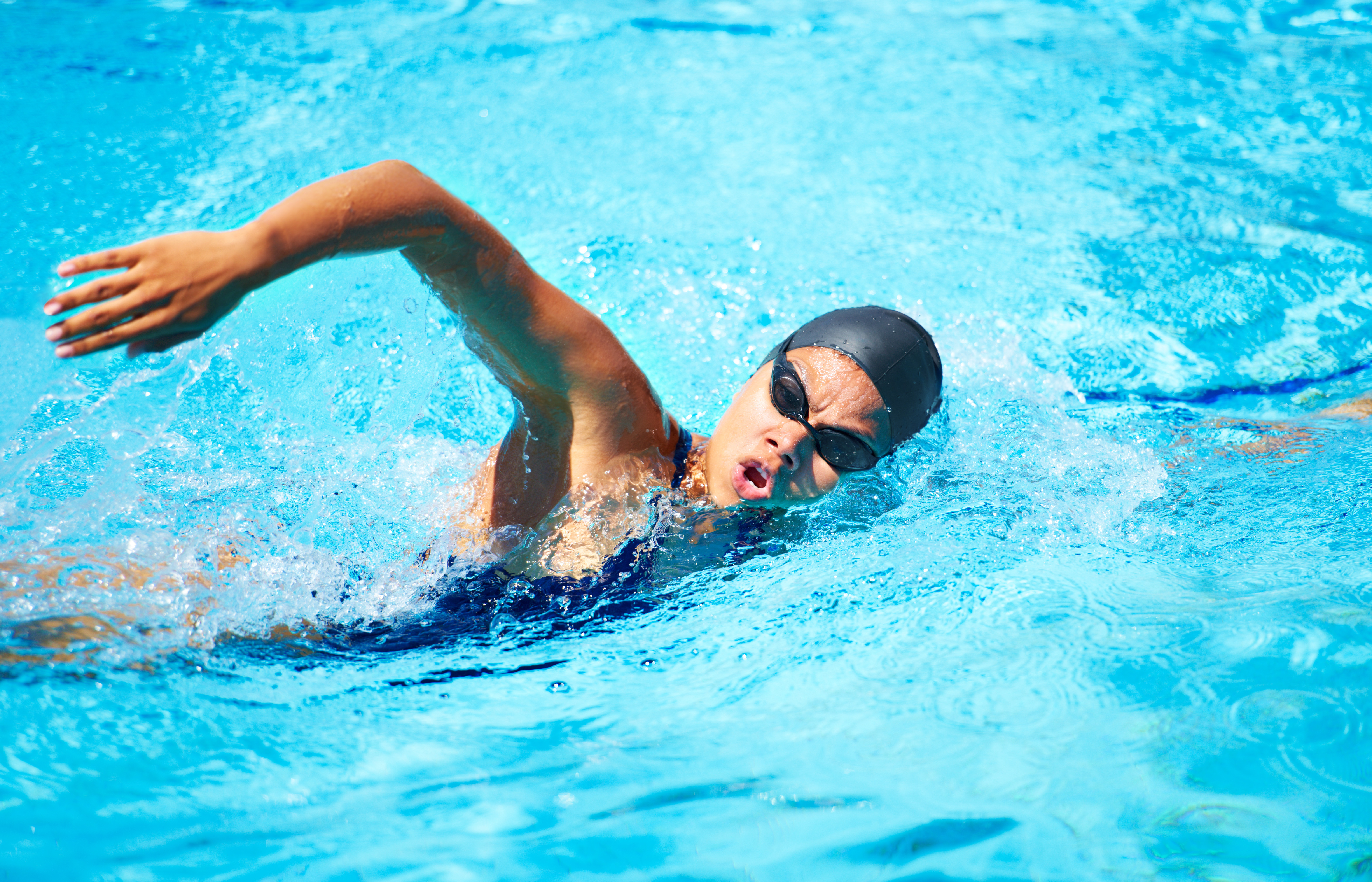
Lap swimming is a very effective workout: aerobics, strengthening, and stretching in one activity. Make sure you’re reasonably healthy before diving in, but even if you’re not, or if you don’t know how to swim, aquatic exercises are beneficial, too.

5 tools to maintain your mobility
A variety of assistive devices can improve balance, provide support, and prevent further disability.
Image:iStock
If you're recovering from an injury or surgery, struggling with arthritis, or having trouble with your balance, your doctor may recommend one or more assistive devices—simple tools that have been shown to prevent falls and injuries and preserve your mobility. Don't let pride or vanity keep you from using them. "Maintaining your mobility—the ability to move easily around your home and neighborhood, stay connected to your loved ones, and remain engaged in the world—can safeguard your independence," says Dr. Scott Martin, associate professor of orthopedics at Harvard Medical School and medical editor of the Special Health Report Mobility and Independence (www.health.harvard.edu/MI).
Once you begin to shop for an assistive device, you may be surprised at the selection that awaits you. Whichever type is recommended for you, you'll need professional help with "fitting," so that you can use it safely and comfortably.

The new exercise guidelines: Any changes for you?
What do the new government guidelines for exercise and physical activity mean for you? It depends on your age and ability, but overall: move more, sit less.

Exercise: Rx for overcoming osteoarthritis
Exercising may be the last thing you want to do when your joints are stiff and achy. But exercise is a crucial part of osteoarthritis treatment in order to ease pain and stay active.
Osteoarthritis is a chronic and progressive disease characterized by loss of the cartilage that covers and protects the ends of the bones where they meet at a joint. Without this protective coating, bone rubs against bone, causing irritation and inflammation. The result is pain and stiffness in the joint and often pain in the muscles and ligaments that surround it.

Ask the doctor: Does exercise help damaged heart muscle?
Q. After my heart attack, my doctor told me that damaged heart muscle cannot be replaced. If this is true, why am I walking on a treadmill five days a week? Is this helping repair the heart muscle damage or strengthen what's left of my heart muscle?
A. Your skeletal muscles can repair themselves after an injury — pull your calf muscle and, after a few days or so, it heals. Until recently, it was believed that the human heart didn't have this capacity. But the heart does have some ability to make new muscle and possibly repair itself. The rate of regeneration is so slow, though, that it can't fix the kind of damage caused by a heart attack. That's why the rapid healing that follows a heart attack creates scar tissue in place of working muscle tissue.
Whole grains may improve several heart risk factors at once
Light exposure at night may raise risk for heart disease
Children of centenarians may stay healthier and live longer too, study finds
A lumbar belt may help ease low back pain
Signs of pneumonia: Sometimes vague and unexpected
The surprising link between ovarian cancer and the fallopian tubes
Using a vibration plate: What it can — and can't — do for your body
People who walk more or walk faster live longer, study finds
Rosacea treatments: What works?
For sleep apnea, a dental device may be as effective as CPAP
Free Healthbeat Signup
Get the latest in health news delivered to your inbox!
Sign Up
