

Whole grains may improve several heart risk factors at once

Light exposure at night may raise risk for heart disease

Children of centenarians may stay healthier and live longer too, study finds

A lumbar belt may help ease low back pain

Signs of pneumonia: Sometimes vague and unexpected

The surprising link between ovarian cancer and the fallopian tubes

Using a vibration plate: What it can — and can't — do for your body

People who walk more or walk faster live longer, study finds

Rosacea treatments: What works?

For sleep apnea, a dental device may be as effective as CPAP
Exercise and Fitness Archive
Articles


8 pill-free ways to lower your blood pressure
A healthy diet that includes plenty of fresh fruit and vegetables can help to lower and control high blood pressure. Images: Thinkstock |
Try losing weight, changing your diet, and exercising.
Sometimes getting your blood pressure under control requires that you take several medications each day, such as a diuretic and a calcium-channel blocker. But some therapies don't involve medication. "People who have drug intolerances or are unwilling to take medications can try pill-free therapy, and it can also be used to make a medication regimen more effective," says Dr. Randall Zusman, a cardiologist and Harvard Medical School associate professor.

Interrupt your sitting time to ward off heart disease
News briefs
There's a silver lining in a recent study that found older women who were sedentary for long chunks of time had a much higher risk for developing cardiovascular disease than women who sat less. The observational study, published Feb. 22, 2019, in Circulation, analyzed activity patterns of more than 5,000 older women (ages 63 to 97) for a week, and then followed them for another five years. Both the total time spent sitting each day and the duration of each period of inactivity was measured with fitness trackers. The key finding: an additional hour of total sedentary time was associated with a 12% higher risk for cardiovascular disease during the follow-up period, and when that sitting time was made up of long uninterrupted sedentary sessions, the risk was far higher (as much as 54%) than when it was accumulated in short, regularly interrupted bouts of sedentary time. The silver lining: reducing sedentary time by an hour per day was linked to a 12% lower risk for cardiovascular disease and a 26% lower risk for developing heart disease during the study period. Even better: researchers say the one-hour reduction each day doesn't have to be accumulated at one time. The moments spent jumping up to get a glass of water, running out to your mailbox, or darting across the house to get the phone can all add up. The key is to interrupt your sitting time with activity that will get your heart and lungs pumping.
Image: © monkeybusinessimages/Getty Images
Put your heart in the right place
After a serious heart-related event, cardiac rehabilitation can help you feel better and live longer.
If you have a heart attack, heart surgery, or another cardiac event, what's the best way to prevent future heart problems? Participate in cardiac rehab, a program that provides supervised exercise and teaches you the fundamentals of a heart-healthy lifestyle over a three-month period.
"The benefits of cardiac rehab are indisputable. It's more effective than any other intervention for preventing future heart-related problems and hospitalizations," says Dr. Hicham Skali, associate director of the Cardiac Rehabilitation Program at Harvard-affiliated Brigham and Women's Hospital. Eligible people who participate in cardiac rehab have a 24% lower risk of dying of cardiovascular disease compared with those who do not attend a rehab program. Cardiac rehab has also been found to improve your ability to exercise and your quality of life, he adds.

Being sedentary may be as bad for the heart as being overweight
Research we're watching
Even if you're at a healthy weight, being out of shape may increase your risk of heart disease just as much as if you were overweight, a study in the March 1 Journal of the American College of Cardiology reports.
The study included data from people ages 40 to 79 who were at a healthy weight or overweight based on their body mass index (see www.health.harvard.edu/bmi for a calculator). The participants also provided information about their exercise habits, how long they sat each day, and whether they ever felt short of breath when hurrying or walking up a slight hill.

Four keys to prevent cardiovascular disease
Are you doing everything you can to keep your heart healthy?
After decades of steady decline, the number of deaths from cardiovascular disease (CVD) has risen over the past few years, according to the American Heart Association.
The good news is that an estimated 80% of all CVD cases — heart disease, heart attack, heart failure, and stroke — can be prevented. The key is to control high blood pressure and high cholesterol and to maintain healthy habits, such as exercising regularly, eating a plant-based diet, getting enough sleep, and not smoking.

A flexible way to stretch
Flexibility can decline as you age and raise your risk of injury. A daily stretching routine can help.
As you age, it's normal to become less limber. Your muscles shrink and your tendons lose their water content, which makes your body stiffer. But add in less activity from a sedentary lifestyle and your lack of flexibility can become even worse.
"When you sit too much and don't move around, the muscles in your hips, legs, and calves get tighter," says Dr. Lauren Elson of the Physical Medicine and Rehabilitation Department at Harvard-affiliated Spaulding Rehabilitation Hospital, and faculty editor for Harvard Health Publishing's special reports, Stretching and Starting to Exercise.
More push-ups may mean less risk of heart problems
In the journals
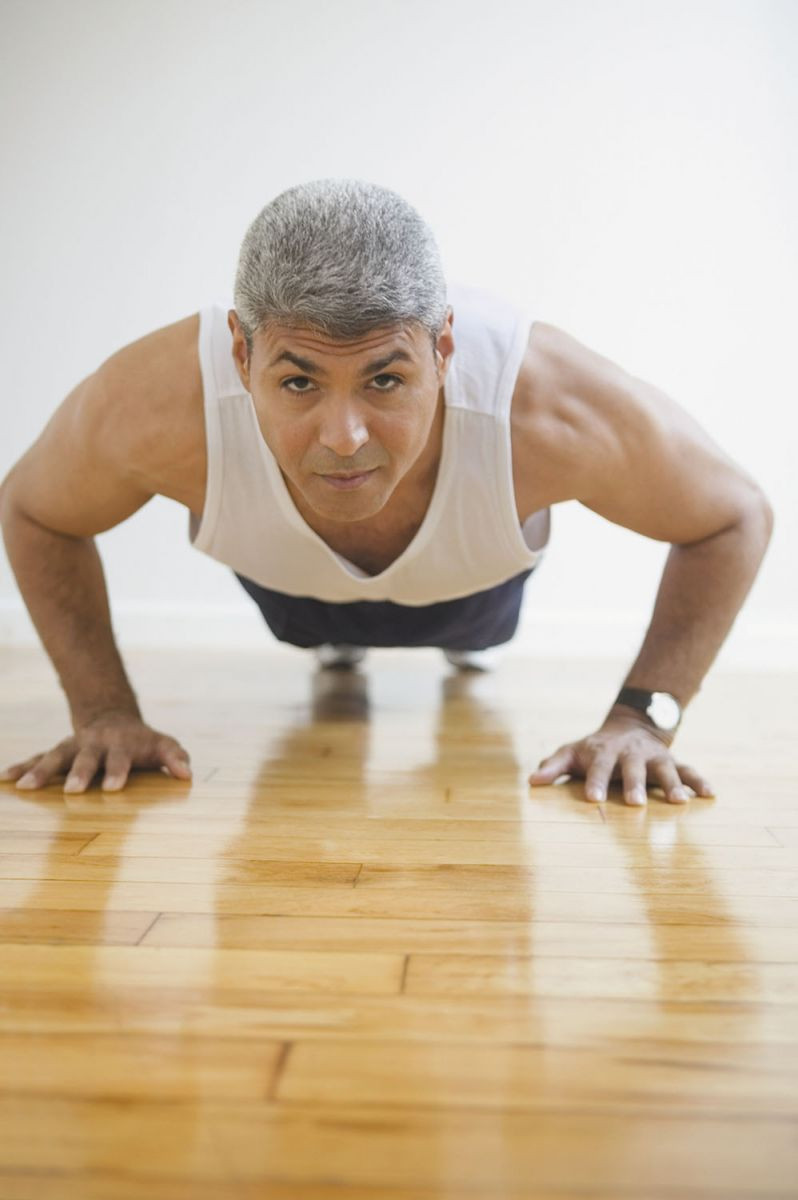
How many push-ups can you do in a minute? The number may predict your risk of heart disease, suggests a study published online Feb. 15, 2019, by JAMA Network Open.
Harvard researchers analyzed data from 1,104 healthy firefighters, average age 40, who did not have cardiovascular disease. Each man performed as many push-ups as possible in one minute. The men also had treadmill tests to measure their cardiovascular health and aerobic fitness. After 10 years, the researchers found that the men who had originally performed the most push-ups were least likely to get heart disease.
Do short bursts of exercise help?
Ask the doctors
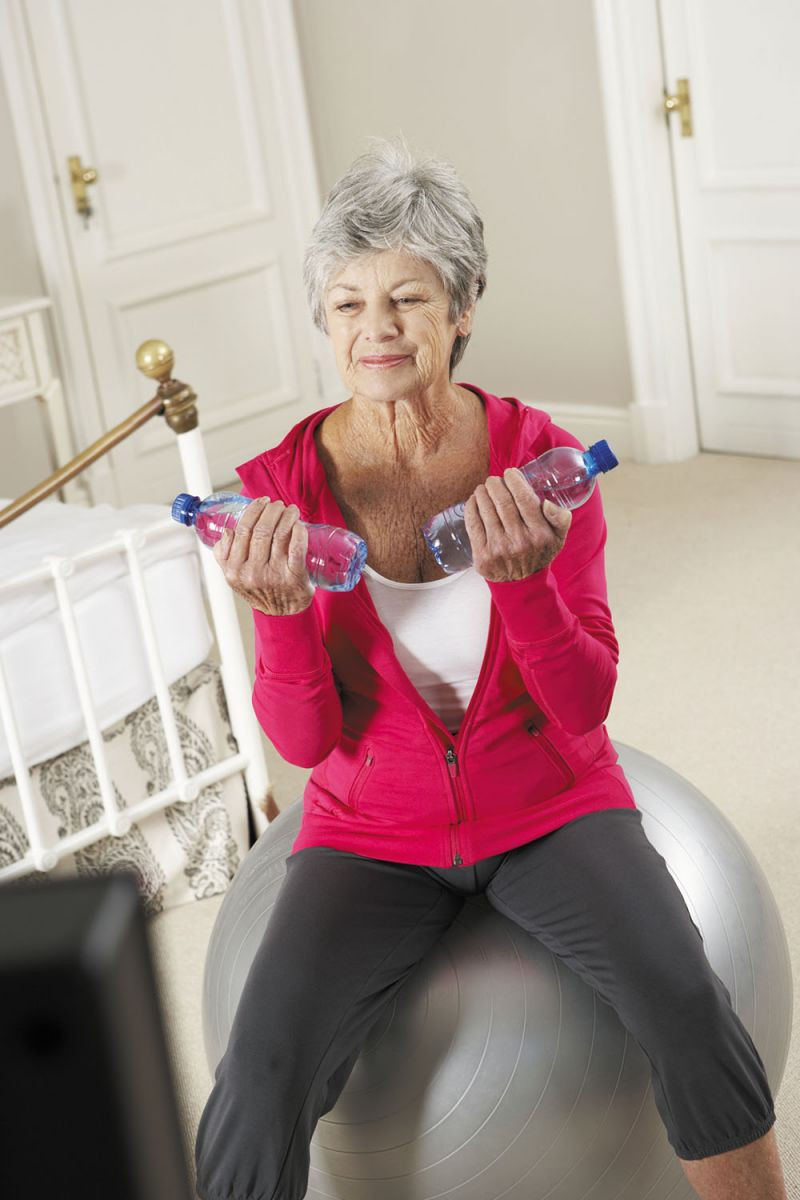
Q. I recently read that I don't need to exercise all at once during the day to get health benefits. Is this true?
A. It's true — at least according to the newest version of the Physical Activity Guidelines for Americans published by the U.S. Department of Health and Human Services (HHS).
More evidence that exercise can boost mood
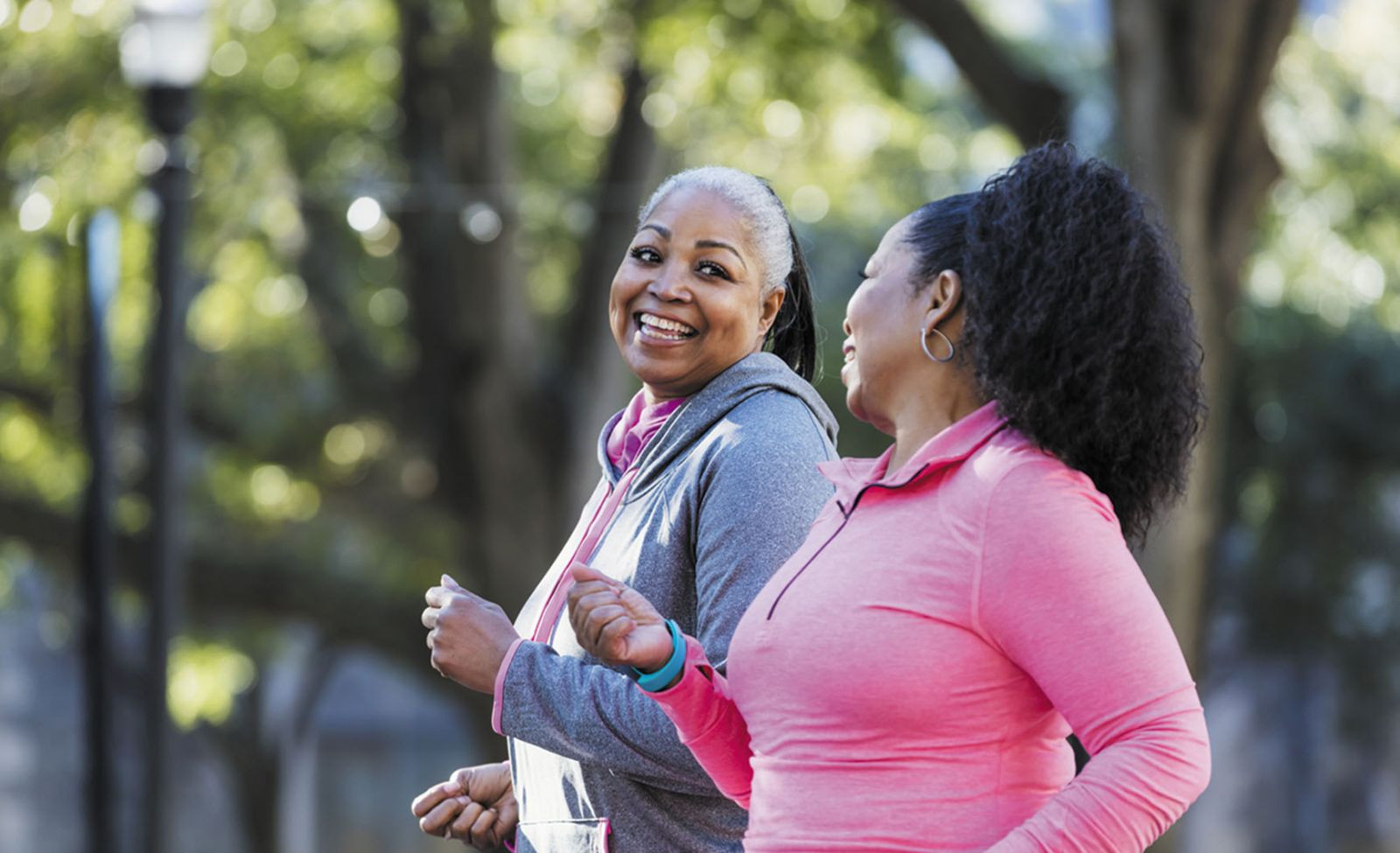
Running for 15 minutes a day or walking for an hour reduces the risk of major depression, according to a recent study.
It may be possible to outrun depression, according to a study published online January 23 by JAMA Psychiatry.
"We saw a 26% decrease in odds for becoming depressed for each major increase in objectively measured physical activity," says study author Karmel Choi, a clinical and research fellow at the Harvard T.H. Chan School of Public Health. "This increase in physical activity is what you might see on your activity tracker if you replaced 15 minutes of sitting with 15 minutes of running, or one hour of sitting with one hour of moderate activity like brisk walking."
Whole grains may improve several heart risk factors at once
Light exposure at night may raise risk for heart disease
Children of centenarians may stay healthier and live longer too, study finds
A lumbar belt may help ease low back pain
Signs of pneumonia: Sometimes vague and unexpected
The surprising link between ovarian cancer and the fallopian tubes
Using a vibration plate: What it can — and can't — do for your body
People who walk more or walk faster live longer, study finds
Rosacea treatments: What works?
For sleep apnea, a dental device may be as effective as CPAP
Free Healthbeat Signup
Get the latest in health news delivered to your inbox!
Sign Up
