

Whole grains may improve several heart risk factors at once

Light exposure at night may raise risk for heart disease

Children of centenarians may stay healthier and live longer too, study finds

A lumbar belt may help ease low back pain

Signs of pneumonia: Sometimes vague and unexpected

The surprising link between ovarian cancer and the fallopian tubes

Using a vibration plate: What it can — and can't — do for your body

People who walk more or walk faster live longer, study finds

Rosacea treatments: What works?

For sleep apnea, a dental device may be as effective as CPAP
Exercise and Fitness Archive
Articles

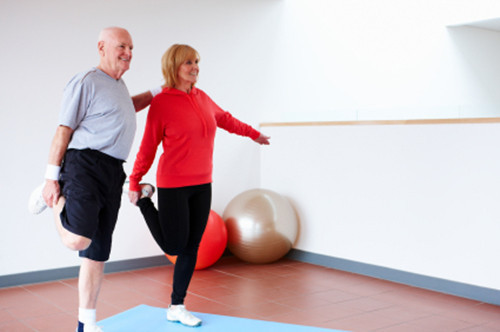
Balanced approach to fitness is key
A walking program is good for you; so is resistance or weight training; balance exercises help improve your athletic abilities and keep you independent.
The current U.S. physical activity guidelines emphasize all three aspects of fitness. Here are the recommendations:
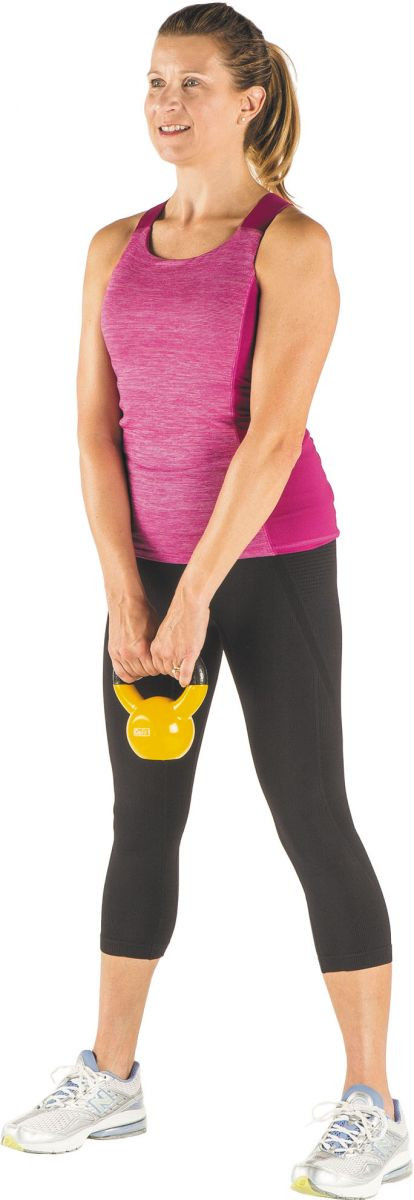
Getting in on the kettlebell craze
The weights add more oomph to your workout, but you'll have to mind some safety rules if you use them.
Exercises photos by Michael Carroll
Move over, dumbbells; kettlebells are cool again. The little weights with handles have been used by athletes around the world for centuries and gained popularity as the staples of 19th-century strongmen. Today, kettlebells have made it to the mainstream as the featured tools in exercise classes and gyms, with home versions of kettlebells available on the shelves of every big-box store.
What's the attraction? "Kettlebells work multiple muscle groups at one time, so you get a lot of bang for your buck with each exercise," says Nancy Capparelli, a senior physical therapist at Harvard-affiliated Beth Israel Deaconess Medical Center.

Spring training: How to move from couch to 5K
Whether you walk or run, participating in a local 5K race can be a good way to enhance your heart health and community spirit.
If you're looking for inspiration to get in shape and strengthen your heart, you might think about doing a couch-to-5K program. These free or low-cost coaching plans (available online or as apps or podcasts) are designed to help would-be runners train for a 5-kilometer race, which is about 3.1 miles. They typically feature timed walking and running intervals that gradually phase out the walking over a period of about nine weeks.
"The purpose of a couch-to-5K program is to give you time to acclimate and start to enjoy the benefits of running and the sense of accomplishment of completing a distance safely," says Dr. Adam Tenforde, director of the Running Medicine Program at the Harvard-affiliated Spaulding Rehabilitation Network. Running provides many cardiovascular benefits as well as an enhanced sense of well-being, he adds.
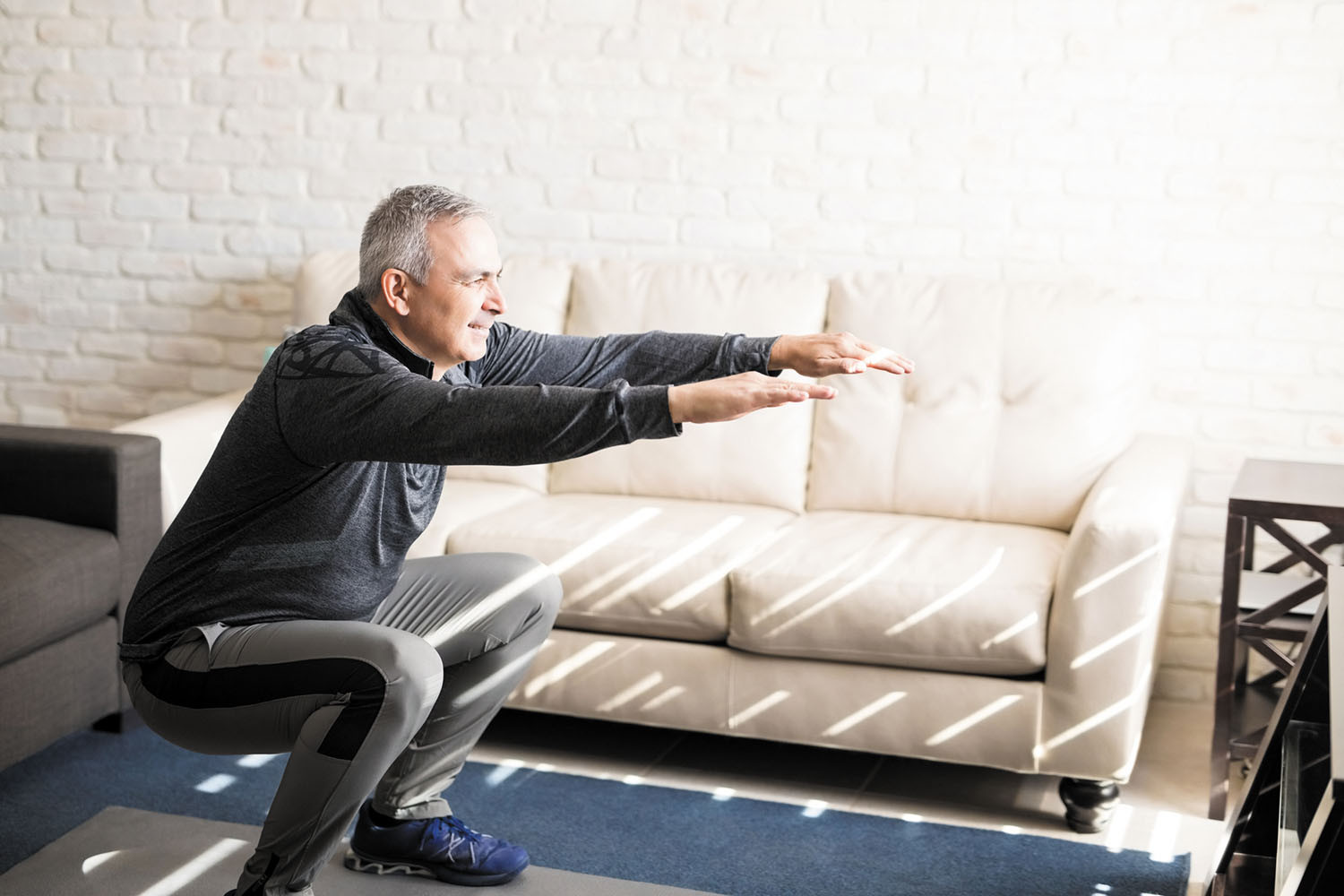
The lowdown on squats
Here is why squats may be the most important exercise you do.
Image: © Antonio_Diaz/Getty Images
More than half of an average person's day is spent sitting — from watching television to working at a computer — and that time tends to increase as you age and become less active.
All that sitting can have a profound impact on one's health, too. In fact, a study in the Oct. 3, 2017, Annals of Internal Medicine, involving almost 8,000 adults ages 45 and older, found a direct relationship between time spent sitting and a higher risk of early death.
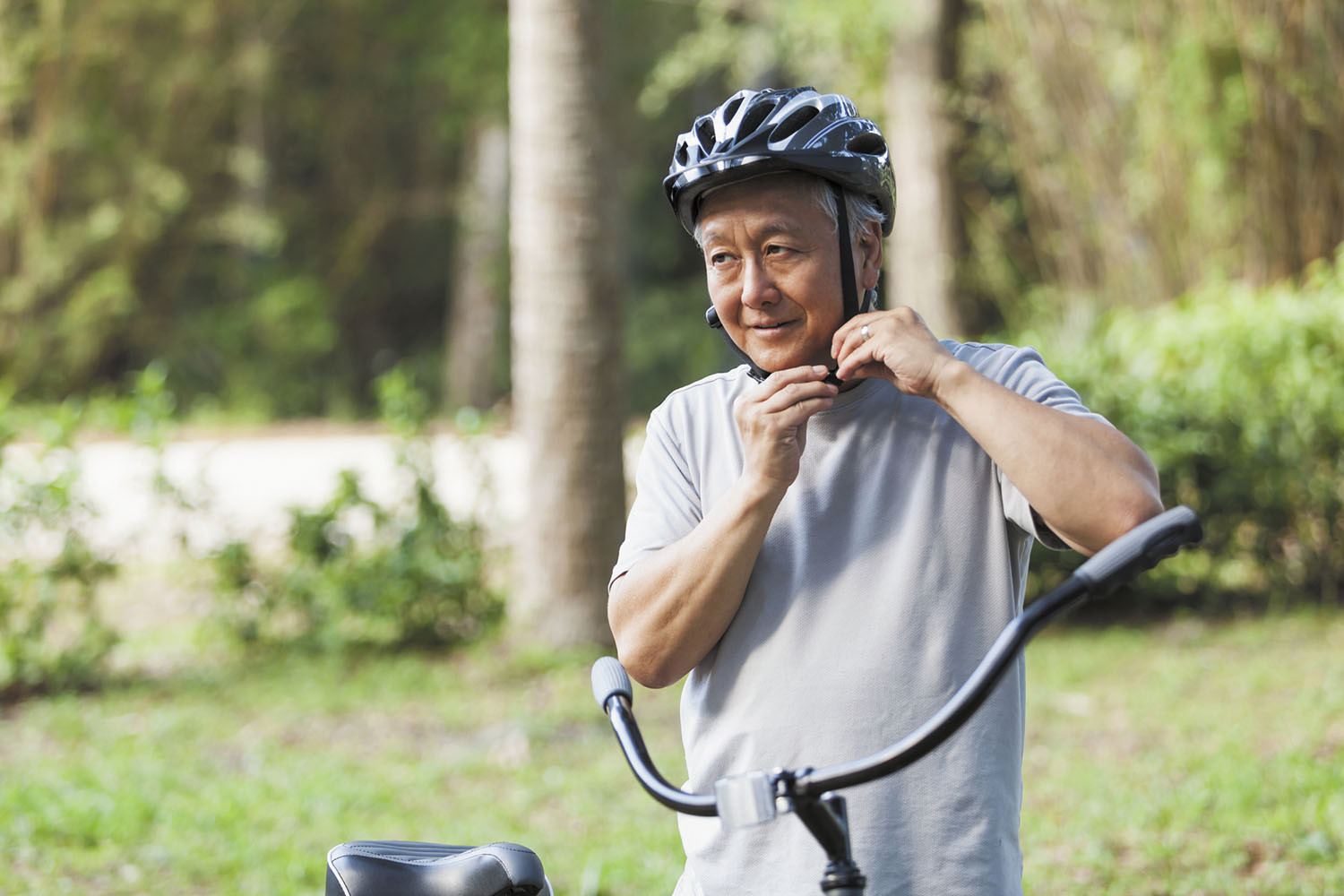
New exercise guidelines suggest older adults try a variety of activities
In the journals
Image: © kali9/Getty Images
For the first time in 10 years, the U.S. government has updated its guidelines for regular physical activity. The guidelines, published in the Nov. 20, 2018, issue of JAMA, still suggest adults get at least 150 to 300 minutes each week of moderate-intensity physical activity, and the more you can do, the better. Examples of moderate-intensity activities include brisk walking, swimming and cycling.
What is new are specific suggestions for certain age groups. For adults ages 65 and older, the report recommends their allotted minutes include multicomponent activities that offer balance training, aerobic exercise, and muscle strengthening, all of which can help older adults reduce their risk of falls. They noted that many recreational activities like dancing, yoga, tai chi, gardening, or sports often incorporate the multiple types of activity you need.

Are workouts safe after a heart attack?
Ask the doctors
Q. My partner recently had a heart attack. The doctor recommended exercise, but I wonder if it's better to take it easy. I feel like exercise might be dangerous or even cause another heart attack. Is exercising too risky?
A. As counterintuitive as it might seem, exercise is good medicine for heart attack survivors. Provided the doctor gives the green light, about two-and-a-half hours of moderate-intensity exercise each week can be beneficial — this is the amount recommended by the American Heart Association. Exercise can start as soon as the doctor gives the okay.
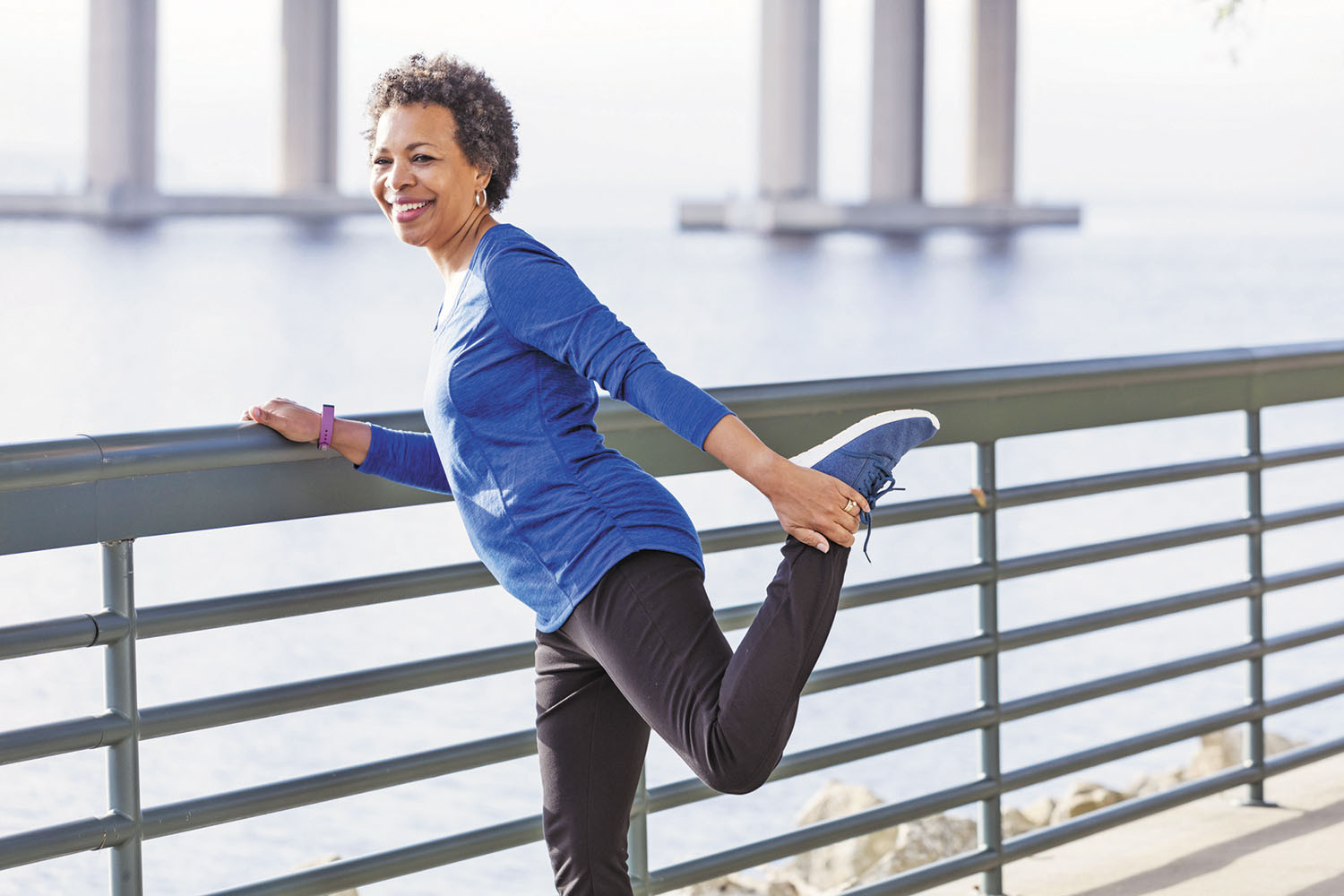
Stretch your exercise plan beyond weights and cardio
Including stretching exercises in your workout regimen is essential to maintaining good posture and balance.
Image: © kali9/Getty Images
Whether you're an avid exerciser or spend most of your time sitting in front of a computer, stretching should be part of your weekly routine. While this may conjure images of complicated twists and contortions, the type of stretching you need may be as simple as taking periodic work breaks to lift your arms above your head and to perform some other easy movements.
"Stretching doesn't have to be a particular program. It's just getting out of the posture you spend a lot of time in, taking some deep breaths, and moving your joints through their full range," says Dr. Lauren Elson, an instructor in physical medicine and rehabilitation at Harvard Medical School.

Long-term exercise programs linked to reduced fall risk
News briefs
Image: © Vesnaandjic/Getty Images
You probably know that exercise can help you maintain your balance and prevent falls, which are among the top causes of injury and death among older adults. But if you're worried that being active will wind up increasing your risk of getting hurt, a large study may put your fears to rest. The research, published online Dec. 28, 2018, by JAMA Internal Medicine, analyzed 40 randomized trials that included about 22,000 older adults. People who exercised for one year or more had a 12% relative reduction in falls and a 26% relative reduction in falls with injury, compared with people who didn't exercise. Also: exercising long-term was not associated with an increase in the rate of hospitalization or death (though it wasn't linked to a reduction, either). Researchers didn't determine which kind of exercise was best. However, the most benefits were seen when people exercised three times per week, 50 minutes per session, in programs that included several components, such as balance exercises, strength training for the lower limbs, and aerobic exercise (the kind that gets your heart and lungs pumping, like brisk walking).

Whole grains may improve several heart risk factors at once
Light exposure at night may raise risk for heart disease
Children of centenarians may stay healthier and live longer too, study finds
A lumbar belt may help ease low back pain
Signs of pneumonia: Sometimes vague and unexpected
The surprising link between ovarian cancer and the fallopian tubes
Using a vibration plate: What it can — and can't — do for your body
People who walk more or walk faster live longer, study finds
Rosacea treatments: What works?
For sleep apnea, a dental device may be as effective as CPAP
Free Healthbeat Signup
Get the latest in health news delivered to your inbox!
Sign Up
