

Whole grains may improve several heart risk factors at once

Light exposure at night may raise risk for heart disease

Children of centenarians may stay healthier and live longer too, study finds

A lumbar belt may help ease low back pain

Signs of pneumonia: Sometimes vague and unexpected

The surprising link between ovarian cancer and the fallopian tubes

Using a vibration plate: What it can — and can't — do for your body

People who walk more or walk faster live longer, study finds

Rosacea treatments: What works?

For sleep apnea, a dental device may be as effective as CPAP
Exercise and Fitness Archive
Articles
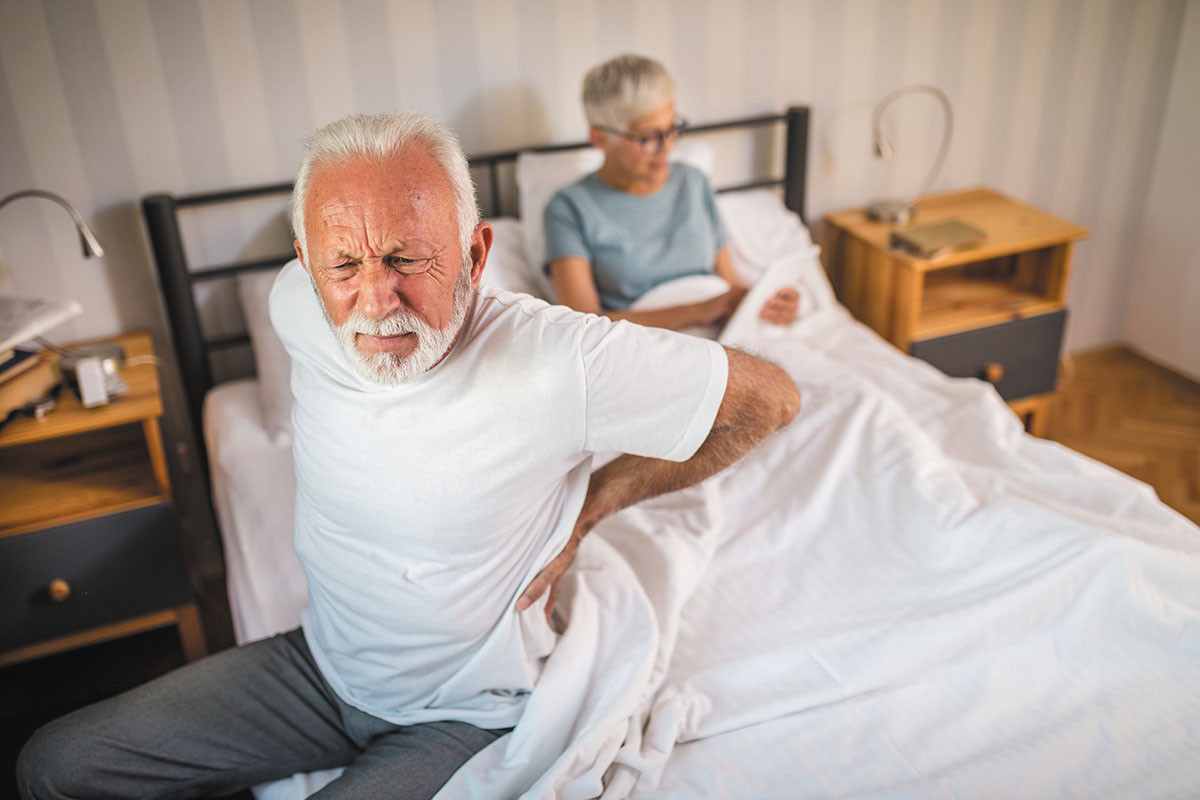
Don’t be such a stiff
There are ways to keep morning stiffness from being a pain.
Image: © FluxFactory/Getty Images
Ever get that "old man" stiffness in the morning? You know the feeling: the dull, achy, and sometimes painful feeling in your joints — along with the customary grunts and groans — when you first stand and slowly move around.
"It's not known why this happens, especially as people age, but the only common thread is that it occurs after long bouts of inactivity," says Dr. William Docken, a rheumatologist with Harvard-affiliated Brigham and Women's Hospital. "That is why you often feel so stiff when you wake up, since sleeping is when you are inactive for the longest continuous time."
Thriving with localized prostate cancer
There's a lot you can do to improve your outcome if you're taking an active surveillance approach to your diagnosis.
Image: © Nastasic/Getty Images
About 90% of men diagnosed with prostate cancer have the localized kind, which means the cancer is confined to the prostate gland. And for many, a reasonable approach is active surveillance, in which men choose to monitor their cancer instead of going straight into invasive treatments, such as surgery or radiation therapy.
Active surveillance includes a doctor visit about every six months, most often with a prostate-specific antigen (PSA) blood test and digital rectal exam.
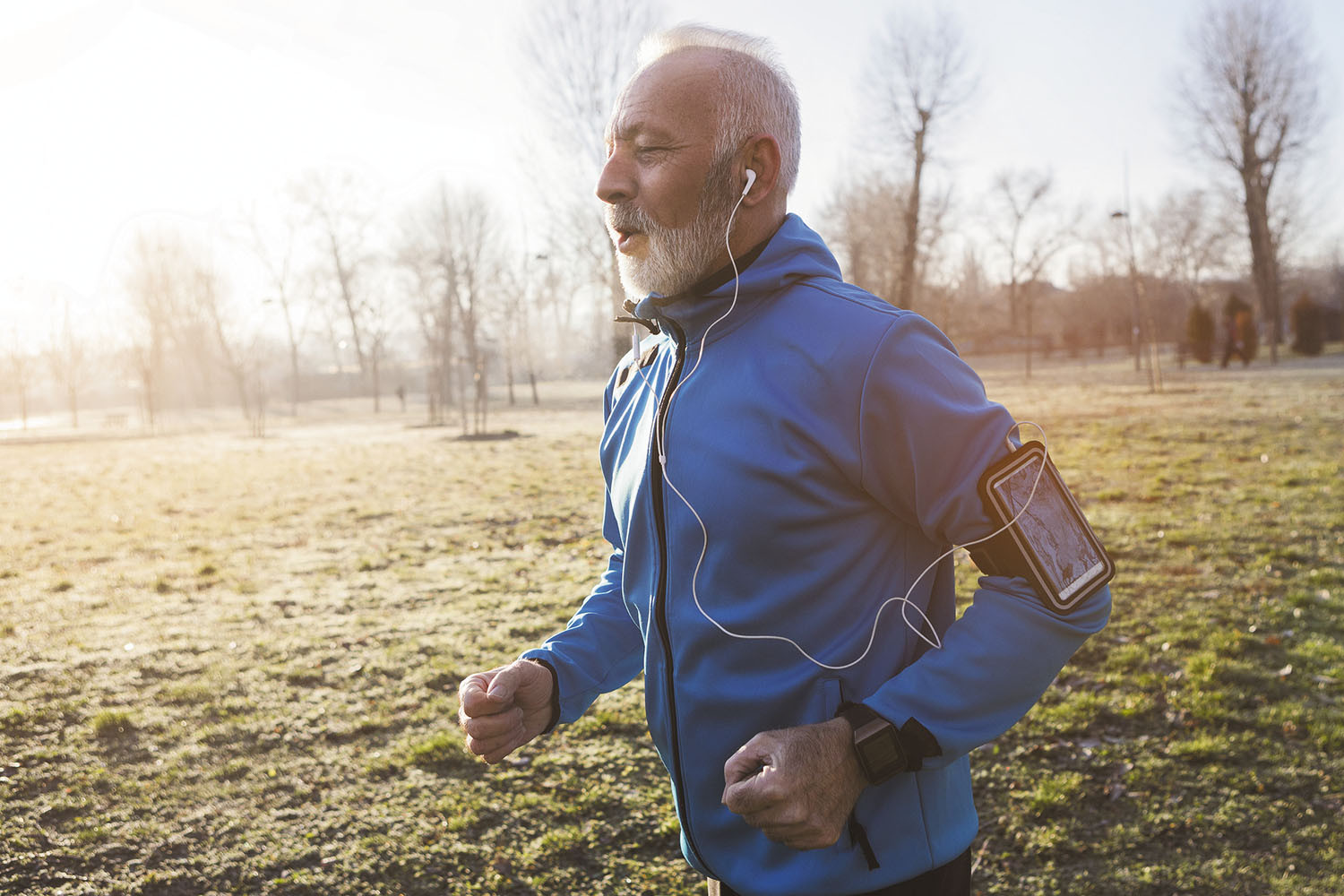
Regular exercise helps reverse age-related changes in your heart
Moderate workouts on most days of the week may be enough for heart-healing benefits.
Image: © kali9/Getty Images
Good news: If you've spent most of your life as a competitive master athlete who trains more than six days a week (in addition to competitions) your heart probably looks and performs like one that is much younger than its chronological age.
Doesn't sound like you? Don't worry, there's also some good news for the rest of us. Even if you've spent more time hanging out than working out over the past few decades, starting an exercise program in middle age might earn you a younger-looking heart too.
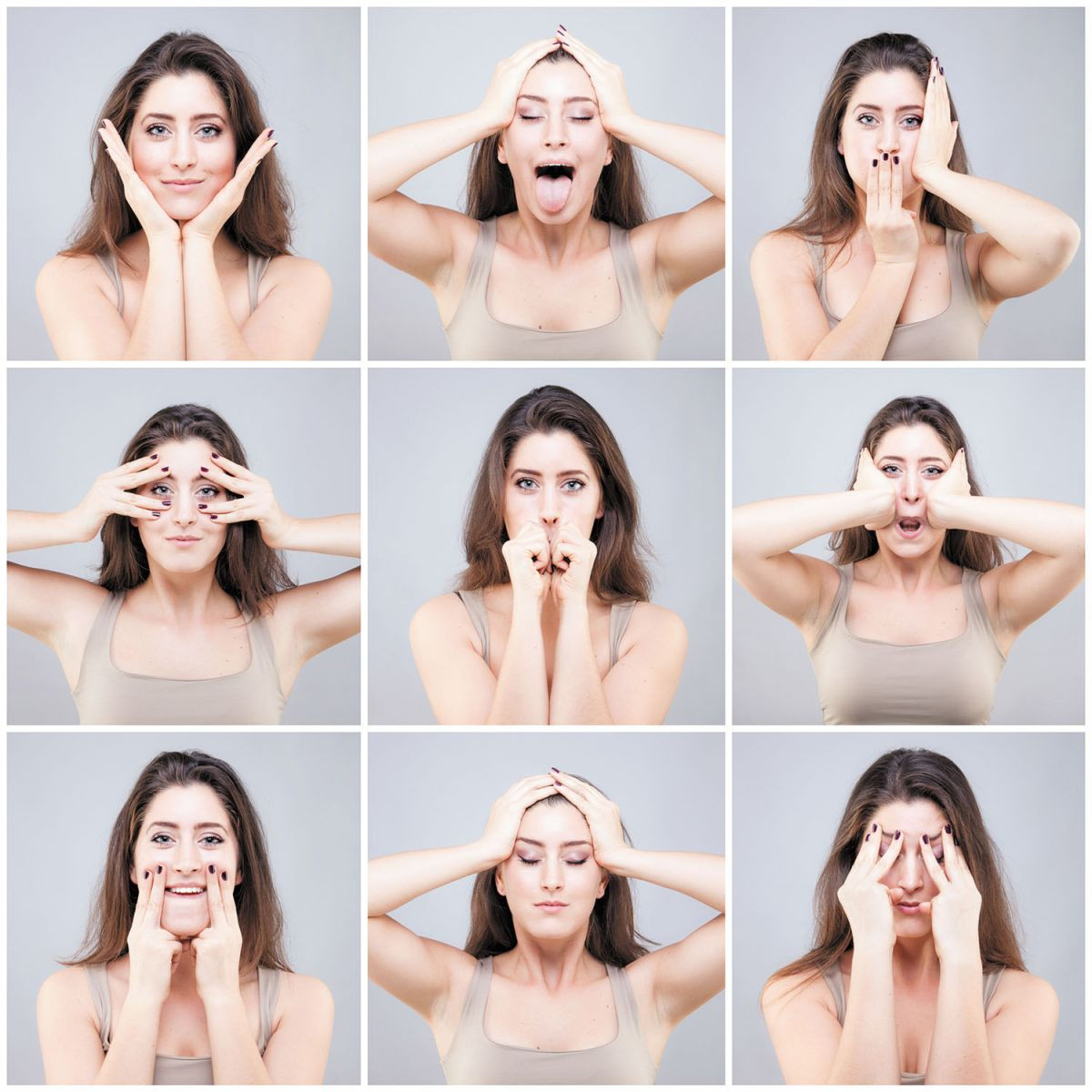
Does your face need a workout?
Facial exercises are being touted as a way to reverse signs of aging. A workout can't hurt and might even help. But there's little evidence of benefit.
Image: © Jasmina81/Getty Images
It used to be that women's magazines only gave fitness advice for your body. But today when you open the pages of many publications, you'll see advice on exercising not only your body, but your face, too. Articles tout strengthening exercises for the facial muscles — and even face yoga — as a way to slim and tone facial structures and help fight signs of aging.
Sounds great. But is it true? Should your workouts extend above the neck as well as below? And will those exercises really do anything for those wrinkles, sagging jowls, or double chin?

The wonders of winter workouts
Exercising in colder temperatures offers many advantages.
Image: © amriphoto/Getty Images
Even though the temperature has dropped, this doesn't mean you have to bring your workouts indoors.
"When it gets into the 40s and 30s, you can still enjoy your regular outside routines, like walking, running, and even cycling," says Dr. Adam Tenforde, an assistant professor of sports medicine and rehabilitation at Harvard-affiliated Spaulding Rehabilitation Network.

5-minute fixes for better health
Taking on a new health regimen can be daunting. Accomplishing smaller tasks that contribute to health may be easier to achieve.
You know what you're supposed to do: exercise daily, ditch junk food, get more sleep, and stay vigilant about every aspect of your health. It's a nonstop commitment that seems like a major undertaking if you've fallen behind. But putting off a healthy lifestyle increases the risk for developing chronic disease and jeopardizes your independence.
Rather than identifying big ways to improve your health, and then procrastinating, focus on small tasks that won't overwhelm you. Try a quick fix once in a while — or all the time if it applies. The more you do, the better you'll feel.
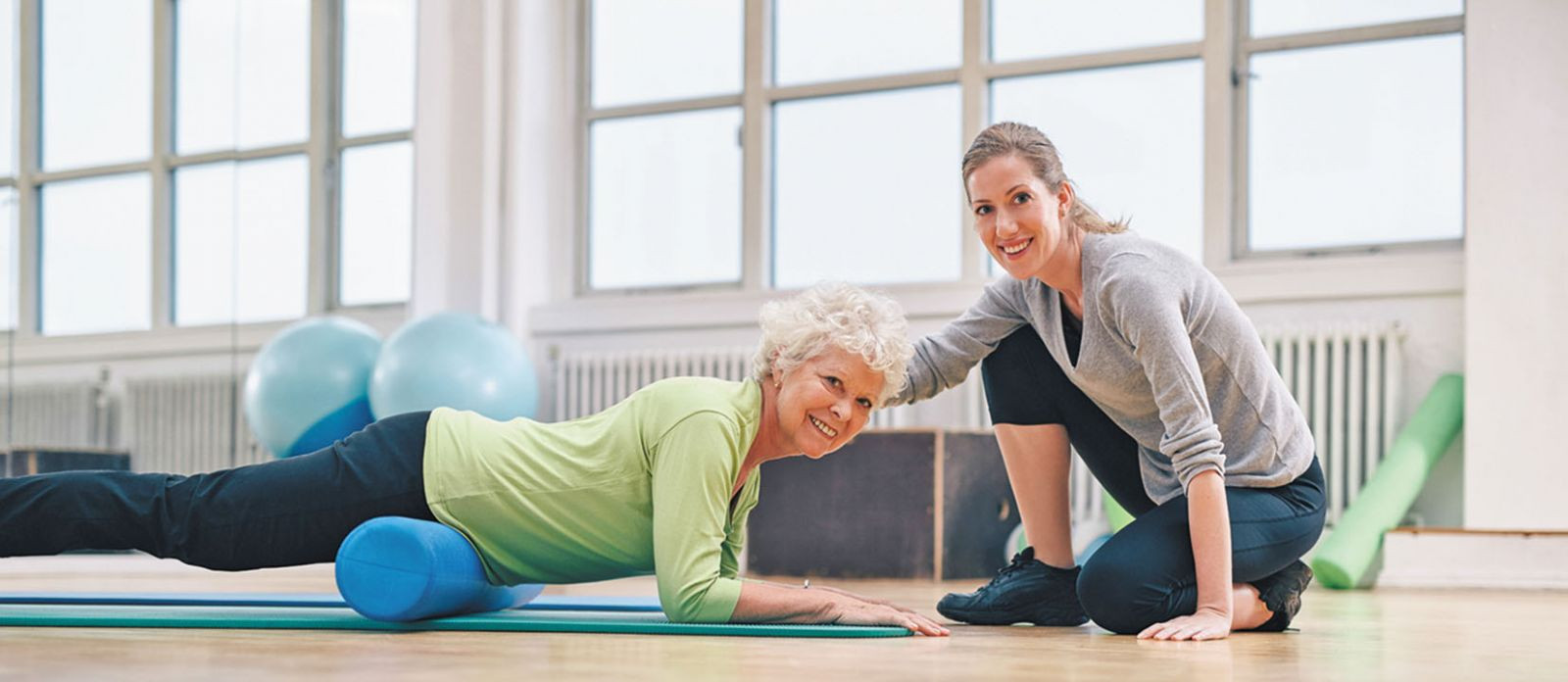
Should you add foam rolling to your workout routine?
Just a few minutes of rolling can help make your muscles more receptive to stretching and relieve muscle soreness, too.
Image: © jacoblund/Getty Images
Working out regularly will help you hold on to your flexibility, mobility, and independence. And using a simple tool may improve this grip on fitness by priming the muscles and making your workouts more effective.
The tool is called a foam roller. It looks like a fat tube or a bolster pillow for a bed. To use it, you slowly roll an area of your body — like your upper back, hips, or calves — back and forth across the top of the roller.

Tai chi, the winner at warding off falls
News briefs
Image: © kali9/Getty Images
Exercising is one of the best ways to ward off falls. But which type of exercise helps most? A small randomized controlled trial — the gold standard in research — found that tai chi is the winner. The study was published online Sept. 10, 2018, by JAMA Internal Medicine. Researchers took 670 older adults (average age 78) with a self-reported history of falls or mobility problems and divided them randomly into three groups. One group did tai chi only; one group did stretching exercises only; and one group did aerobics, strength training, and balance and flexibility exercises. All of the participants took part in their assigned activities twice a week, for an hour each time. After six months, people in the tai chi group had experienced 58% fewer falls compared with people in the stretching group, and 31% fewer falls compared with people in the group doing several types of exercises. The type of tai chi in the trial was tailored to older adults at risk for falling. But lots of evidence has shown tai chi in general is effective for improving balance. It uses a series of slow, flowing motions and deep breathing. The gradual shifting of weight boosts your strength, flexibility, range of motion, and reflexes.

What’s good for your heart is good for your brain, even later in life
News briefs
Image: © Shuttermon/Getty Images
A French study published Aug. 21, 2018, in The Journal of the American Medical Association suggests that the more steps you take to boost your heart health, the lower your risk for developing dementia. Researchers evaluated health and lifestyle data for more than 6,000 men free of dementia and heart disease men in their 70s to see how they were doing when it came to following seven steps recommended by the American Heart Association: not smoking; controlling weight; getting regular physical activity; eating a healthy diet (that included fish twice a week or more, and fruits and vegetables at least three times per day); and maintaining healthy blood pressure, cholesterol, and blood sugar levels. Researchers also conducted psychological testing on participants at various times. After eight years, it appeared that men who followed five to seven of the healthy habits had the least risk (8%) for developing dementia during the study, compared with men who followed two or fewer habits (they had a 13% risk). The study was observational and doesn't prove that following heart-healthy habits will lower your dementia risk. But many other studies have made similar connections. The takeaway: It's not too late to try to prevent dementia.
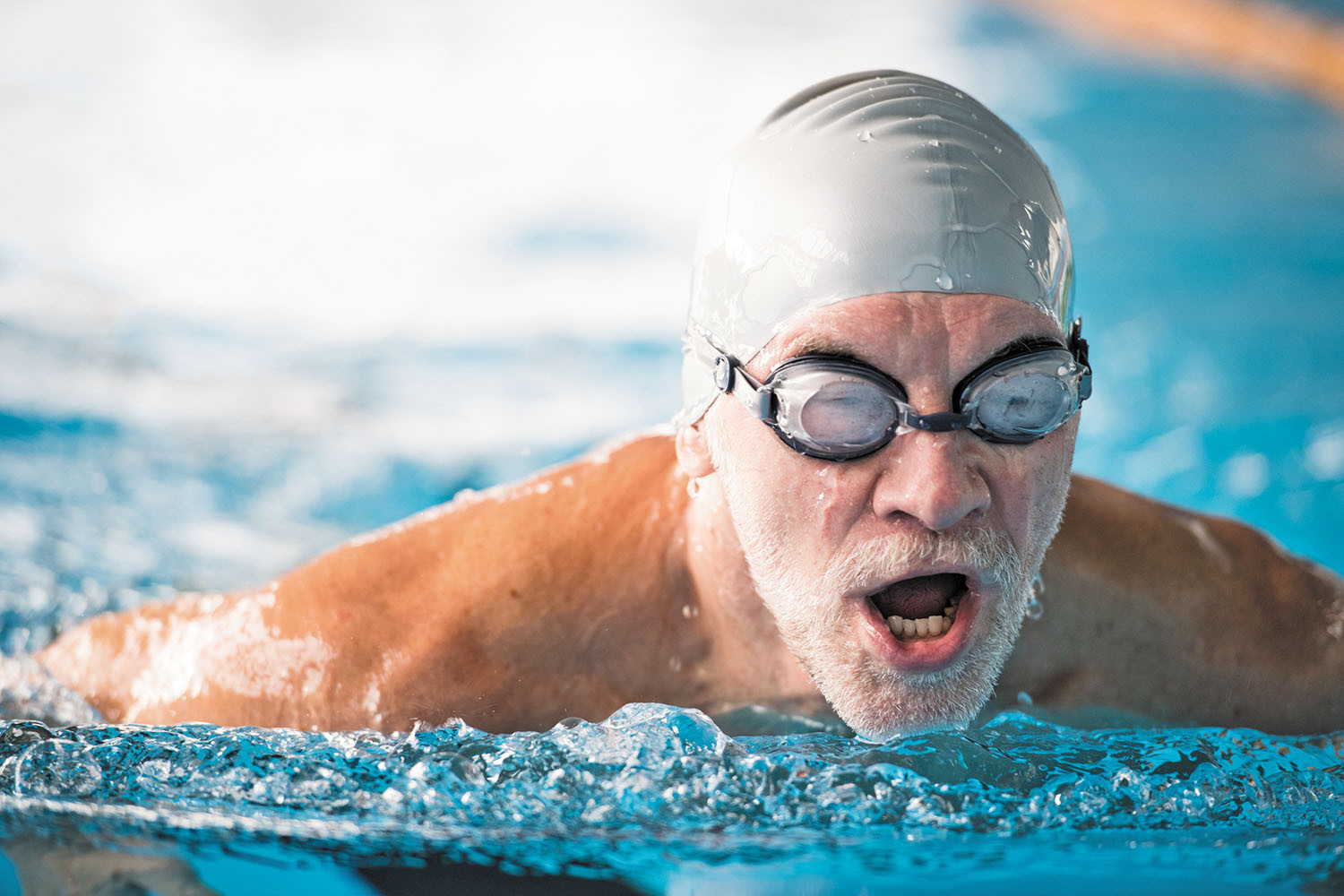
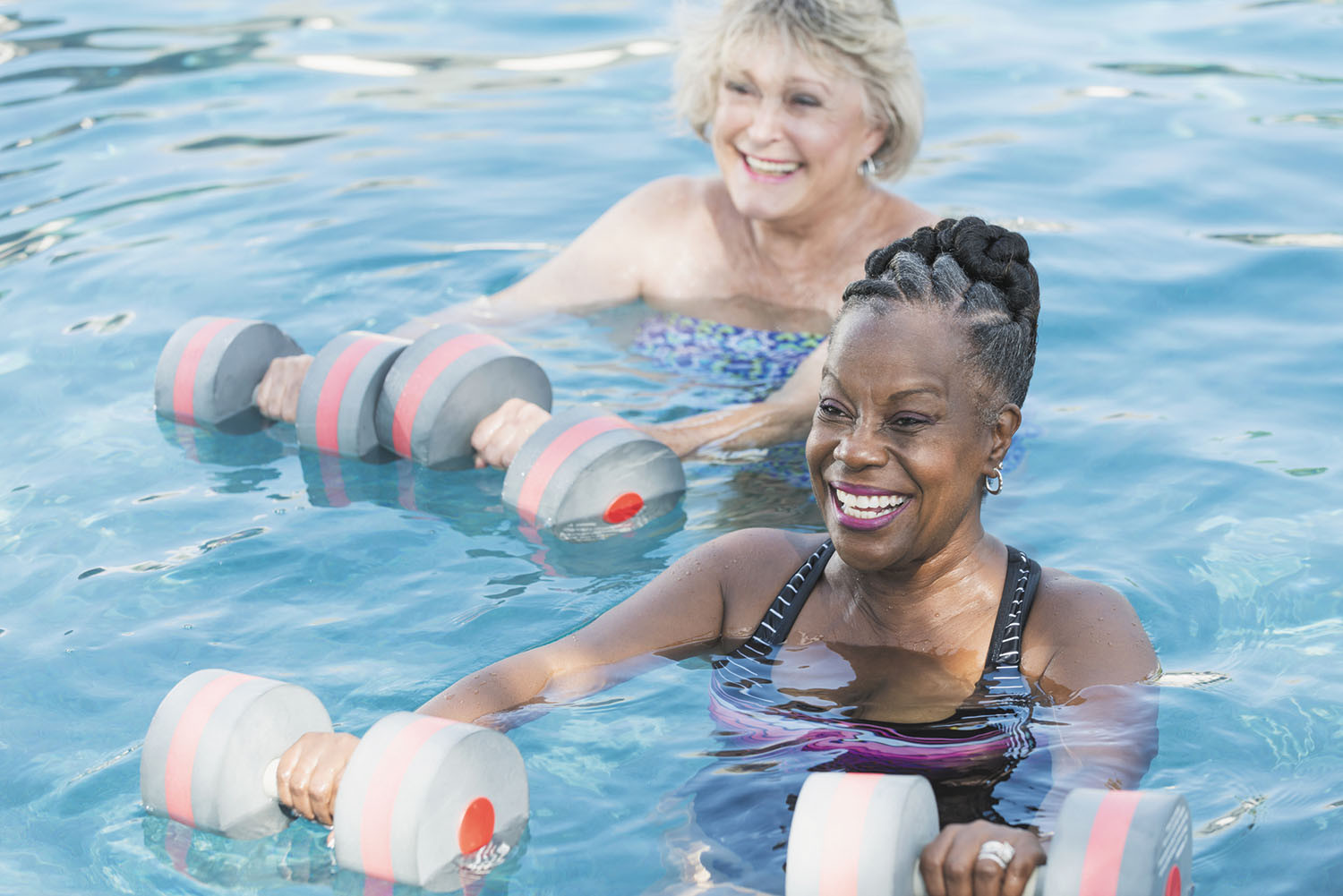
Take the plunge: Try a water workout
Swimming or doing water aerobics can be a good way to keep your heart in good shape.
Image: © Halfpoint/Getty Images
Looking for an activity to boost your heart health that's easy on your joints and doesn't leave you all sweaty? Swimming might be just the ticket. If you have access to an indoor pool, you can swim or do water aerobics year-round — and throughout much of your life.
"If you were to envision an exercise you could start during childhood and continue well into your later years, swimming has to be near the top of the list," says Dr. Meagan Wasfy, a cardiologist at the Cardiovascular Performance Program at Harvard-affiliated Massachusetts General Hospital. Swimming also works many different muscles in the arms, legs, and torso. The buoyancy of the water takes the stress off your joints. That can make exercising a little easier if you have arthritis, are overweight, or are recovering from an injury.
Whole grains may improve several heart risk factors at once
Light exposure at night may raise risk for heart disease
Children of centenarians may stay healthier and live longer too, study finds
A lumbar belt may help ease low back pain
Signs of pneumonia: Sometimes vague and unexpected
The surprising link between ovarian cancer and the fallopian tubes
Using a vibration plate: What it can — and can't — do for your body
People who walk more or walk faster live longer, study finds
Rosacea treatments: What works?
For sleep apnea, a dental device may be as effective as CPAP
Free Healthbeat Signup
Get the latest in health news delivered to your inbox!
Sign Up
