

Whole grains may improve several heart risk factors at once

Light exposure at night may raise risk for heart disease

Children of centenarians may stay healthier and live longer too, study finds

A lumbar belt may help ease low back pain

Signs of pneumonia: Sometimes vague and unexpected

The surprising link between ovarian cancer and the fallopian tubes

Using a vibration plate: What it can — and can't — do for your body

People who walk more or walk faster live longer, study finds

Rosacea treatments: What works?

For sleep apnea, a dental device may be as effective as CPAP
Exercise and Fitness Archive
Articles
4 simple ways to boost your energy
Do you sometimes feel like the Energizer Bunny when his battery runs low? You might start the day strong, but by midafternoon, you can't quite keep going and going.
Fatigue afflicts everyone at one time or another. Assuming your doctor has ruled out serious medical causes, there are a few basic steps you can take to "recharge your batteries."
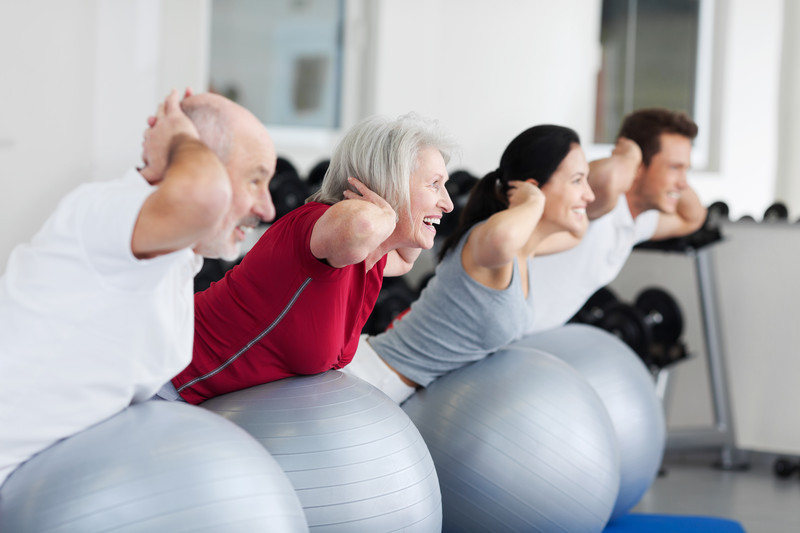
Feeling uninspired about tackling a core workout?
Sticking with exercise isn't always easy, but setting goals and having a plan for when your motivation lags can help. If you're spending more time finding excuses than doing those planks and bridges, try taking a look at the list below for some inspiration.
Doing core exercises regularly will
- keep your back strong and flexible, which will help you avoid low back pain
- ease back pain or stiffness so you can move, sit, and sleep comfortably
- enhance your balance and stability, which will help prevent falls and make walking and other activities easier
- reclaim the strength and flexibility you need for everyday movements like bending, turning, and lifting
- build up the strength and flexibility you need for on-the-job tasks like lifting heavy items, twisting, or standing or sitting at a desk for hours
- add power to activities you enjoy, like tennis, running, golf, kayaking, gardening — or any other active pursuit
- improve your posture, which can trim your figure visually and help prevent back injuries
- help tone your waistline
- spice up your regular workouts by adding variation.
For more ways to keep your core muscles strong and working for you, read Gentle Core Exercises, a Special Health Report from Harvard Medical School.

What exercises are best for bone health?
On call
Q. Do men have to worry about bone health, and if so, what are the best exercises to keep my bones strong?
A. Most men have the advantage of continuing to produce bone-protecting testosterone throughout life. But the level of the male hormone declines with age and therefore may not be sufficient to keep bones strong as a man hits his later years.
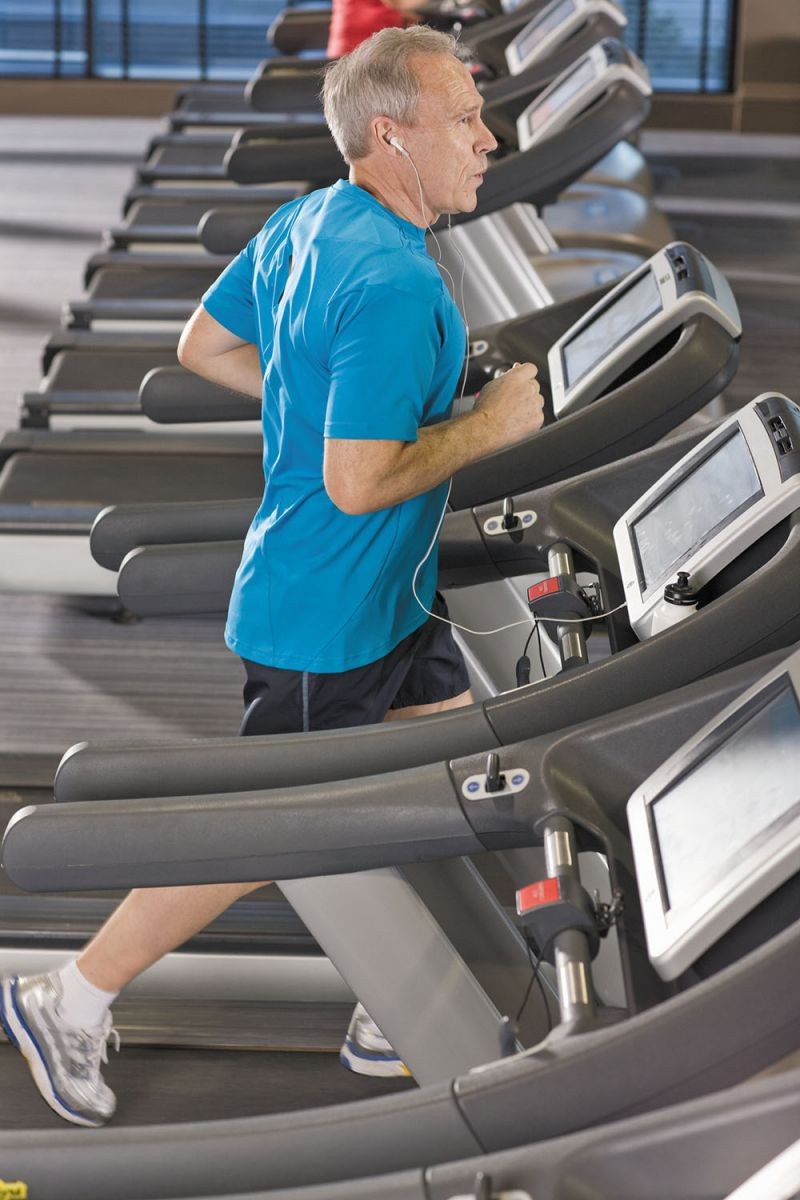
Greater cardio fitness linked to longer life in older adults
In the journals
It's well established that aerobic exercise improves health, but a new study suggests that better cardio fitness leads to a longer life, and that the benefit may help older adults the most. The results were published online Oct. 19, 2018, by JAMA Network Open.
In the study, more than 120,000 people (59% of them men) underwent exercise treadmill testing periodically over 14 years. The researchers found that increased cardio fitness levels were directly associated with longer lives, and that people with the highest aerobic fitness levels lived the longest, especially among those over age 70.
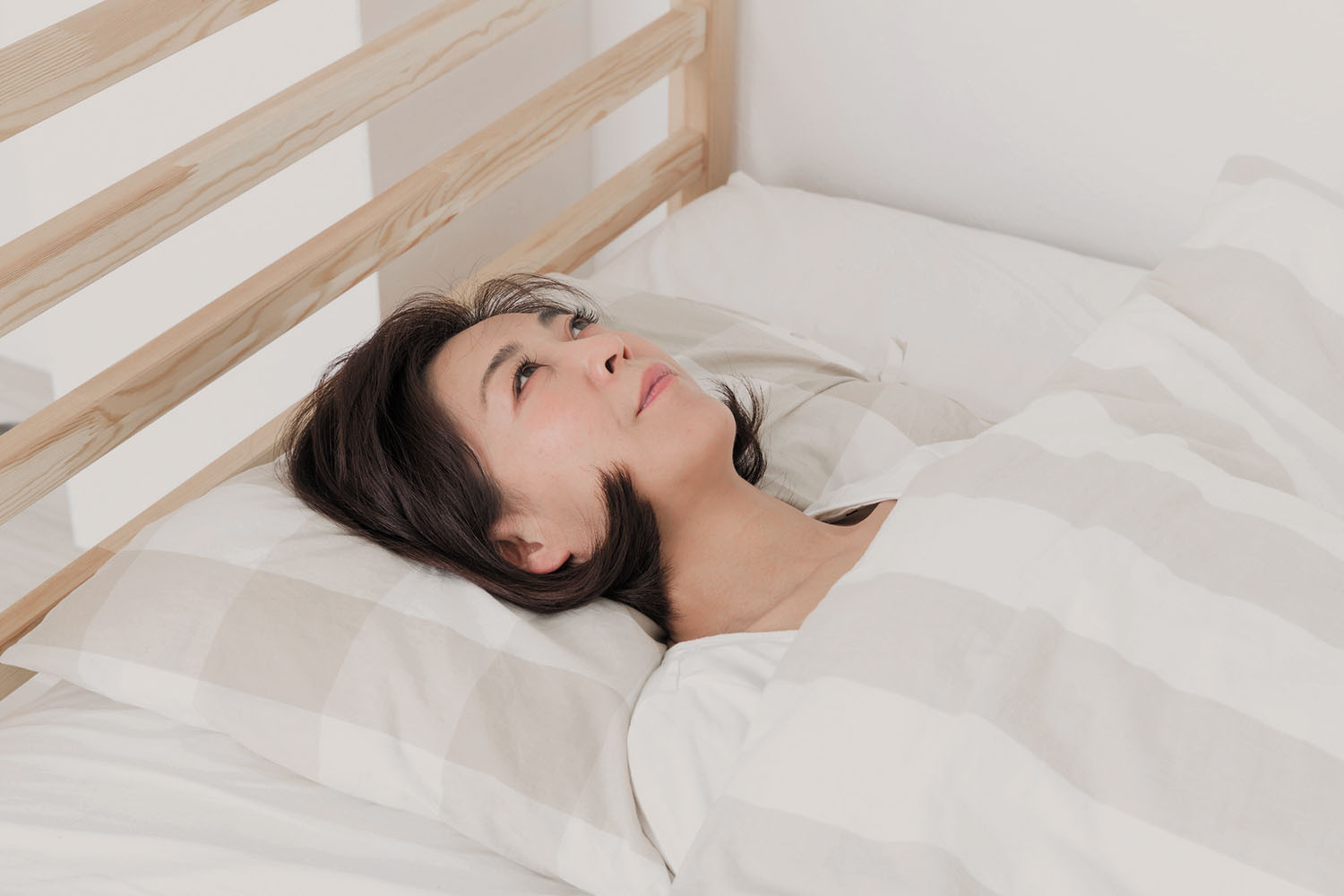
Shorter sleep may cause dehydration
Image: © miya227/Getty Images
In the journals
Adults who sleep only six hours per night may have a higher chance of being dehydrated, compared with those who sleep longer, according to recent research published online Nov. 5, 2018, by the journal Sleep. The findings suggest that some of the symptoms of inadequate sleep, such as fatigue, fuzzy thinking, and headache in the morning, may be due to dehydration.
Researchers looked at the risk of dehydration in approximately 20,000 U.S. and Chinese adults. In both populations, people who reported sleeping six or fewer hours had up to a 59% higher risk of dehydration compared with those who slept seven to eight hours on a regular basis. The researchers speculated that the finding may reflect the nightly rhythm of a hormone called vasopressin. During sleep, the pituitary gland in the brain uses vasopressin to signal the kidneys to retain fluid in the body rather than excreting it through urine.

Eating enough daily protein may delay disability
In the journals
Eating extra protein may protect older adults from becoming disabled and help them maintain independent lives, according to a study published online Nov. 1, 2018, by the Journal of the American Geriatrics Society.
The recommended dietary allowance (RDA) for protein is 0.8 grams per kilogram of body weight per day. In the study, scientists recruited 722 85-year-olds and examined their medical data, including information like physical activity, what they ate each day, their body weight, and overall health status. Disability was measured from self-reported questionnaires in which the people described how much difficulty they had performing 17 activities of daily living, such as getting in and out of bed, dressing, bathing, doing household chores, and going up and down stairs.

Are your hamstrings working double duty?
Weak gluteal muscles can overload the muscles in the backs of your thighs.
Image: © izusek/Getty Images
The hamstrings are the unsung heroes of the upper legs. The three muscles in the back of each thigh enable you to bend your knees and pull your legs back as you walk. They also assist the gluteal muscles (or "glutes") in the buttocks — the powerhouses that propel your body forward when you get up from a chair, bound across a room, or climb stairs. The glutes also help you come to a stop from a run or walk and lower your body to sit down or squat.
But weak gluteal muscles wind up overburdening the hamstrings. "When the glutes are weak, which is common in the age of sitting too much, the hamstrings are continually overworked and overloaded," says Matt Natanson, a physical therapist with Harvard-affiliated Brigham and Women's Hospital.

Greater fitness linked to a longer life
News briefs
Image: © Guingm/Getty Images
Some small studies have suggested that too much vigorous exercise might harm your heart, perhaps by triggering heart rhythm changes or other problems. New evidence allays this concern. In fact, the more fit you are, the longer you may live. For the study, researchers reviewed data from more than 122,000 people who underwent exercise treadmill testing from 1991 to 2014. Based on the findings, they divided the subjects into five performance groups: elite, high, above average, below average, and low. Elite performers — who had fitness levels comparable to endurance athletes — had the lowest risk of dying of any cause during the follow-up period, which averaged just over eight years. The survival benefit was most notable among people ages 70 or older and those with high blood pressure. According to the study authors, there does not appear to be an upper limit of fitness above which a survival benefit is no longer seen. They published their findings online Oct. 19, 2018, in JAMA Network Open.

Add stretches to your exercise routine
They can help you stay flexible and active enough to keep your heart in good shape.
It's no secret that as you age, your body becomes less flexible. Your muscles aren't quite as supple and your joints are little stiffer than when you were younger. As a result, getting regular, heart-protecting exercise may be more challenging.
That's why stretching — the deliberate lengthening of muscles to increase flexibility and range of motion — can be especially helpful after middle age. Yet many people are confused about the different stretching techniques and the best time to do them, says sports medicine physician Dr. Adam Tenforde, assistant professor of physical medicine and rehabilitation at Harvard Medical School.
Lessons from the masters
These master-level athletes can teach you how to stay fit and healthy.
Image: © Vesnaandjic/Getty Images
You're never too old to learn from the experience of others. For instance, master athletes in their 60s, 70s, and even 80s might compete at a higher level than you, but they still face the same age-related challenges.
"You can gain much wisdom from these individuals, such as how to exercise smarter, how to overcome obstacles, and how to stay motivated," says Dr. Adam Tenforde, assistant professor of physical medicine and rehabilitation at Harvard-affiliated Spaulding Rehabilitation Hospital. "They have developed strategies that can be adopted by the average person to help maintain health and reach specific goals."
Whole grains may improve several heart risk factors at once
Light exposure at night may raise risk for heart disease
Children of centenarians may stay healthier and live longer too, study finds
A lumbar belt may help ease low back pain
Signs of pneumonia: Sometimes vague and unexpected
The surprising link between ovarian cancer and the fallopian tubes
Using a vibration plate: What it can — and can't — do for your body
People who walk more or walk faster live longer, study finds
Rosacea treatments: What works?
For sleep apnea, a dental device may be as effective as CPAP
Free Healthbeat Signup
Get the latest in health news delivered to your inbox!
Sign Up
