

Light exposure at night may raise risk for heart disease

Whole grains may improve several heart risk factors at once

A lumbar belt may help ease low back pain

Children of centenarians may stay healthier and live longer too, study finds

Signs of pneumonia: Sometimes vague and unexpected

The surprising link between ovarian cancer and the fallopian tubes

Using a vibration plate: What it can — and can't — do for your body

People who walk more or walk faster live longer, study finds

For sleep apnea, a dental device may be as effective as CPAP

Rosacea treatments: What works?
Diabetes Archive
Articles
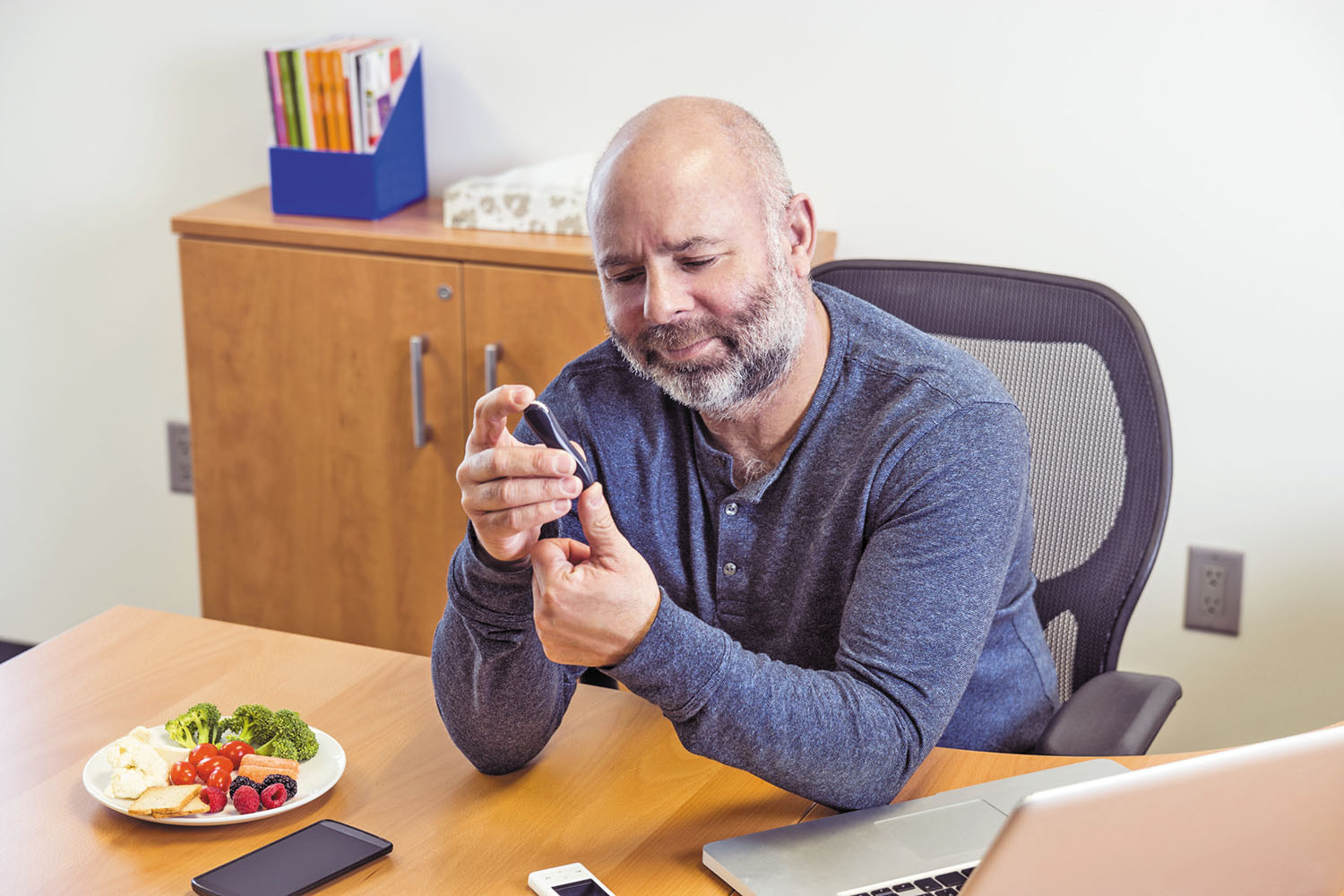
Transforming the treatment of diabetes
Technology may help to provide more supportive, efficient, and effective care for diabetes, a leading contributor to heart disease.
About one of every 11 adults in this country has diabetes — a chronic, costly condition that's closely connected to heart disease. Lifestyle changes that encourage eating healthy foods, exercising, and losing weight are the cornerstone of managing both problems. But making those changes can often feel overwhelming and frustrating, especially for people with diabetes. They also need to keep tabs on their blood sugar levels, which are influenced by what and when they eat and exercise.
And getting effective support for managing diabetes with lifestyle changes isn't easy. "The current system for managing diabetes is broken," says Dr. Osama Hamdy, medical director of the Obesity Clinical Program at Harvard-affiliated Joslin Diabetes Center. For starters, there aren't nearly enough endocrinologists for the millions of people with diabetes in this country. Appointments with these specialists are often too short and too infrequent for people to make meaningful progress, he explains.

Will my endometriosis go away after menopause?
Ask the doctors
Q. I've had endometriosis since I was in my 30s. I'm now approaching menopause. Will my symptoms get better or even go away after menopause?
A. Possibly, but not always. Endometriosis is a condition in which tissue that resembles the tissue that lines the uterus, called endometrial tissue, grows in other locations inside the body. Typically, it grows on structures and organs in the pelvis, such as the ovaries, fallopian tubes, bladder, or bowels. When a woman menstruates, this tissue behaves like the lining of the uterus and bleeds. But because this blood has no way to exit the body, it pools inside. This leads to pain, inflammation, and scarring.
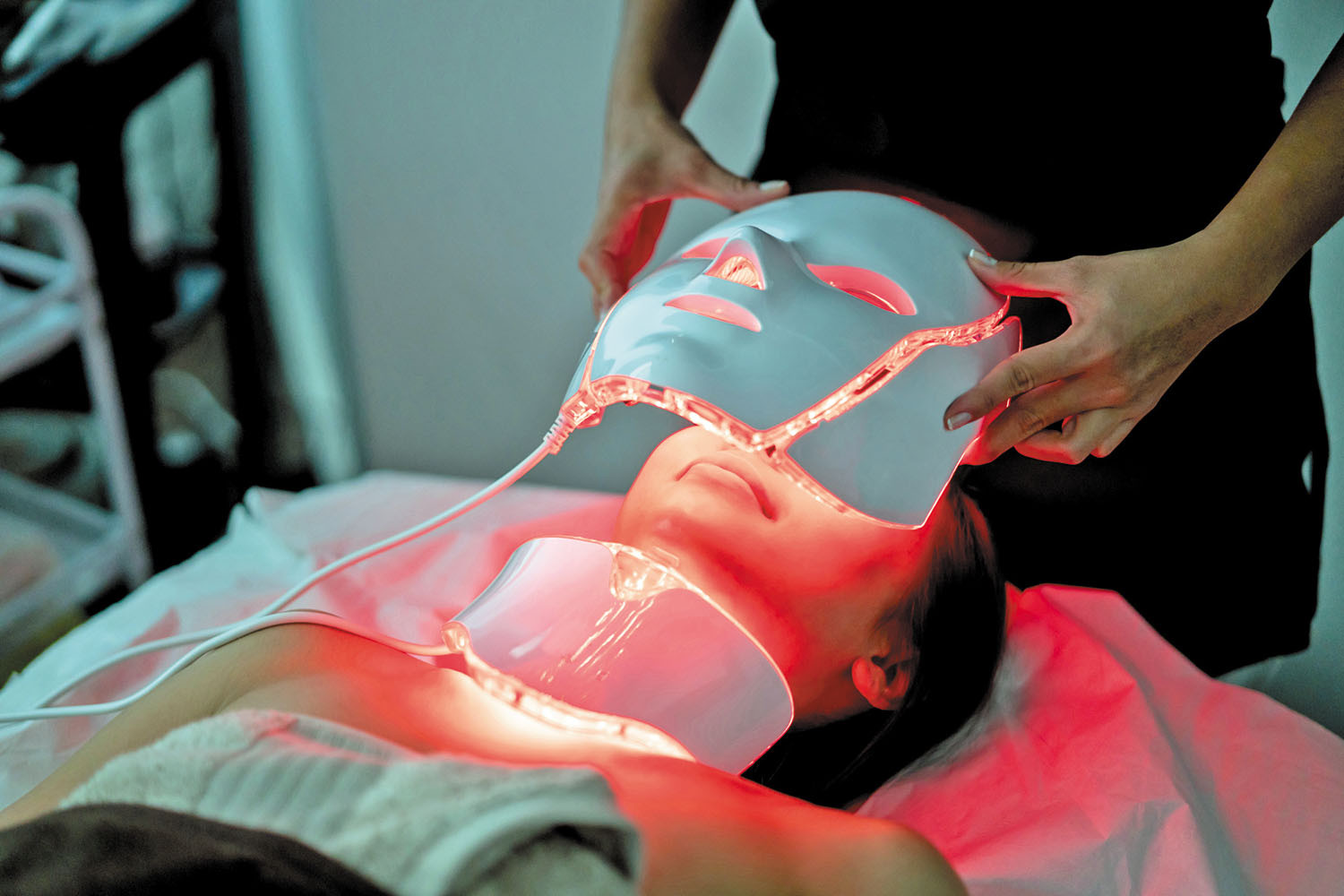

Weekend catch-up sleep won’t fix the effects of sleep deprivation on your waistline
Trying to make up for not getting enough sleep during the week by sleeping longer on weekends has been found to have negative effects such as weight gain, expending less energy, and increased calorie intake during evenings.

Intensive blood sugar control doesn’t have lasting cardiovascular benefits for those with diabetes
A recent 15-year follow-up to the Veterans Affairs Diabetes Trial found that short-term intensive blood sugar control did not lead to significant reduction of risk of cardiovascular events in the long term.


An enlarged prostate gland and incontinence
Some men with an enlarged prostate gland (benign prostatic hyperplasia, or BPH for short) eventually start to experience urinary incontinence, the involuntary discharge of urine. The incontinence can be related to overactive bladder, one of the changes in bladder function caused by BPH.
Normally, the brain says "time to go" when your bladder is only partially full. That gives you a fair warning to find a place to relieve yourself. When you decide to let go, a valve called the urinary sphincter opens to allow the bladder to drain. Muscles in the bladder wall squeeze inward to empty the storage tank.

Why are diabetes-related complications on the rise?
From 1990 to 2010, there was a significant decrease in diabetes-related complications, but since then the trend has reversed and complications are on the rise among young adults. This may be due to the changing profile of those who develop type 2 diabetes, or may be due to other factors.

New thinking on peripheral neuropathy
Nerve damage might be causing everything from low blood pressure to gastrointestinal distress without your knowing it.
Doctors have long known peripheral neuropathy as a nerve condition that causes reduced sensation, tingling, weakness, or pain in the feet and hands. But those symptoms may be just the tip of the iceberg. Doctors are now learning that neuropathy can cause many more problems.
What is peripheral neuropathy?
Peripheral neuropathy refers to damage to the peripheral nerves throughout the body. These nerves carry messages to and from the brain.
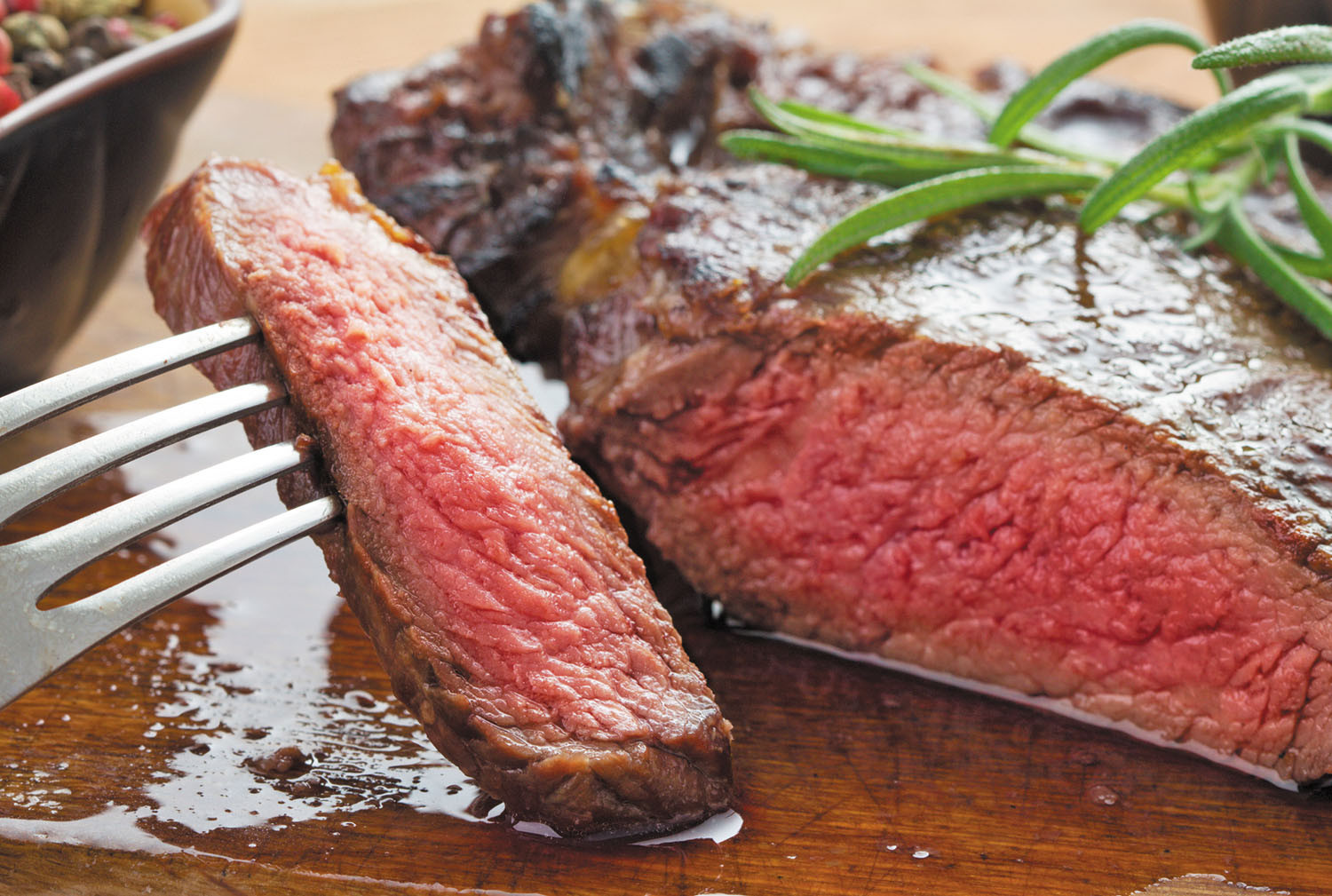
Harvard researchers: Red meat consumption tied to early death
News briefs
We already know that a diet rich in red meat is linked to many health problems, such as heart disease, type 2 diabetes, and colorectal cancer. Now a Harvard-led study published online June 12, 2019, by BMJ suggests that boosting your red meat intake increases your risk for early death. Scientists analyzed questionnaire answers about health and diet provided by more than 81,000 healthy men and women between 1986 and 2010. In particular, researchers looked at whether changes in red meat consumption during an eight-year period of the study affected the risk of death eight years later. The findings: An increase of just half a serving of processed red meat per day was associated with a 13% higher risk for dying young from any cause; an additional half-serving of unprocessed red meat increased the risk by 9%. On the flip side, decreasing total red meat consumption and increasing the consumption of nuts, fish, poultry without skin, dairy, eggs, whole grains, or vegetables was tied to a lower risk of death. The takeaway: Try to curb your appetite for red and processed meats like bacon, salami, and hot dogs. Eat more poultry, fish, or plant-based proteins (like beans, lentils, nuts, and seeds), along with the other components of a healthy diet.
Image: © Pavlo_K/Getty Images
Light exposure at night may raise risk for heart disease
Whole grains may improve several heart risk factors at once
A lumbar belt may help ease low back pain
Children of centenarians may stay healthier and live longer too, study finds
Signs of pneumonia: Sometimes vague and unexpected
The surprising link between ovarian cancer and the fallopian tubes
Using a vibration plate: What it can — and can't — do for your body
People who walk more or walk faster live longer, study finds
For sleep apnea, a dental device may be as effective as CPAP
Rosacea treatments: What works?
Free Healthbeat Signup
Get the latest in health news delivered to your inbox!
Sign Up
