

Light exposure at night may raise risk for heart disease

Whole grains may improve several heart risk factors at once

A lumbar belt may help ease low back pain

Children of centenarians may stay healthier and live longer too, study finds

Signs of pneumonia: Sometimes vague and unexpected

The surprising link between ovarian cancer and the fallopian tubes

Using a vibration plate: What it can — and can't — do for your body

People who walk more or walk faster live longer, study finds

For sleep apnea, a dental device may be as effective as CPAP

Rosacea treatments: What works?
Diabetes Archive
Articles

Should I take blood pressure medications at night?
Ask the doctor
Q. I've taken blood pressure medicines every morning for many years, and they keep my pressure under control. Recently, my doctor recommended taking them at bedtime, instead. Does that make sense?
A. It actually does make sense — based on recent research. For many years, there have been at least three theoretical reasons for taking blood pressure medicines before bedtime. First, a body system that strongly affects blood pressure, called the renin-angiotensin system, has its peak activity during sleep. Second, circadian rhythms cause differences in the body chemistry at night compared with daytime. Third, most heart attacks occur in the morning, before medicines taken in the morning have a chance to "kick in."

Is osteoarthritis reversible?
Ask the doctors
Q. I recently started experiencing a lot of pain in my hand from osteoarthritis. Can I reverse this condition?
A. You can't reverse osteoarthritis, but there are things you can do to manage your pain and improve your symptoms. Osteoarthritis occurs when the protective cartilage that acts as cushioning between your bones starts to fray and wear down over time. Eventually this enables the bones to rub together, which causes the pain you are experiencing as well as swelling and stiffness that makes it difficult to move your hand freely. Typically, when you have arthritis, the pain and symptoms will be worse at some times than at others. You may experience a flare-up one day and feel better the next. To help reduce the discomfort of a flare-up, talk to your doctor about medication to relieve pain. She or he may recommend an over-the-counter pain reliever. Some people also get symptom relief using a topical pain reliever that is rubbed into the skin. Other strategies that can ease pain are splints or braces, heat or cold therapy, activity modification, and exercises or physical therapy to increase flexibility and strengthen your hand muscles.

Good news for those with type 2 diabetes: Healthy lifestyle matters
Lifestyle changes have been shown to reduce the risk of a cardiovascular event, but can they also help those with diabetes? A recent study found a positive association between healthy lifestyle choices and reduced cardiovascular risk for those with type 2 diabetes.

What’s the beef with red meat?
A recent study suggested that eating red or processed meats won't necessarily harm your health. What is the truth?
The news headlines were everywhere: "It's Okay to Eat Red Meat." The source for this statement was a study published online Oct. 1, 2019, in Annals of Internal Medicine.
An international team of researchers conducted five systematic reviews that looked at the effects of red meat and processed meat on multiple health issues, such as heart disease, cancer, diabetes, and premature death.

Ex-smokers are not free from long-term lung damage
In the journals
People who quit smoking decades ago are still at risk for lung diseases like chronic obstructive pulmonary disease (COPD), according to a study published online Oct. 9, 2019, by The Lancet Respiratory Medicine.
Researchers looked at lung capacity — the amount of air in your lungs after taking a deep breath — among more than 25,000 people and analyzed the results based on whether the individuals smoked, had quit smoking, or had never smoked. Previous research has suggested that the decline in lung capacity that occurs with smoking levels off within a few years after people quit.

What’s causing bladder pain or burning?
Infections aren't the only conditions that can cause discomfort.
Certain urinary symptoms are quite common, particularly in women: painful burning with urination, an urgent need to urinate like you can't hold it (urinary urgency), and urinating frequently (urinary frequency).
These symptoms can be caused by any of the following conditions.
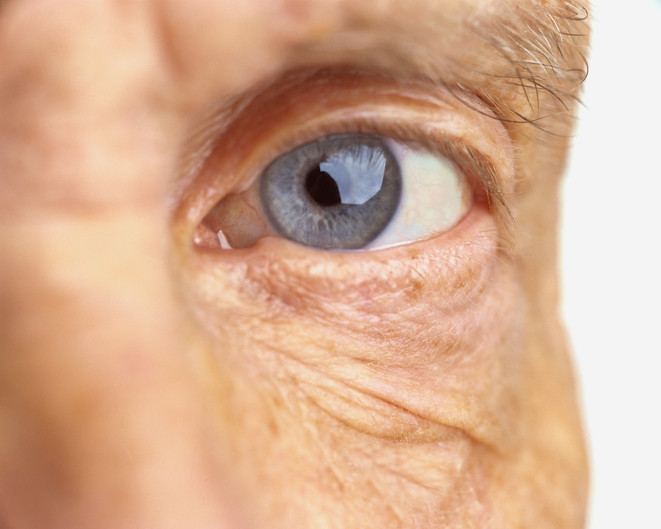
Diabetic retinopathy: Understanding diabetes-related eye disease and vision loss
Over seven million people have diabetic retinopathy, the most common form of vision loss in working-age adults with diabetes. It’s recommended that people with diabetes should work to keep blood pressure in the normal range and their A1c level below 7% to avoid complications such as diabetic retinopathy.

Harnessing CRISPR to stop viruses
News briefs
A research team from Harvard reports that it has harnessed the powerful gene editing tool called CRISPR to recognize and kill viruses. The findings were published online Oct. 2, 2019, by Molecular Cell. CRISPR can alter strands of both DNA and RNA (a molecule related to DNA), which are built like strings of beads. Each bead consists of one of four chemicals called bases. CRISPR can recognize a specific sequence of bases (such as one that is characteristic of a particular virus), latch on to that sequence and cut it, and change the sequence to a different one. This can scramble the genetic sequence of a virus in such a way that the virus no longer can make copies of itself. The Harvard team used this technique to kill several viruses that are made of RNA — including influenza virus — in a laboratory dish. The next step will be to see if the CRISPR technique can also be used to kill viruses in a living animal. That will be much harder. However, if it works, the technique might someday help humans fight viral infections.
Image: © Bill Oxford/Getty Images

Swap out a sweet drink to reduce your diabetes risk
Research we're watching
Replacing just one sugary drink each day with water may reduce your risk of developing diabetes, according to a study published online Oct. 3, 2019, by Diabetes Care. Researchers from Harvard's T.H. Chan School of Public Health looked at more than two decades' worth of data collected in three long-term studies, involving more than 192,000 adults. By tracking beverage intake over time, they found that people who increased their consumption of sugary drinks (including 100% fruit juice) by more than 4 ounces a day over four years had a 16% increase in diabetes risk over the next four years. Turning to "diet" versions might not help, either: an 18% jump in diabetes risk occurred in people who increased their intake of artificially sweetened drinks by more than 4 ounces a day over the same period, although some of that risk could have reflected other factors, said researchers.
The bottom line: If you want to reduce diabetes risk, it's better to skip sweet drinks and stick to unsweetened tea, coffee, or water. When people drank one of those beverages once a day instead of a sweetened drink, diabetes risk dropped by 2% to 10%.

FDA approves new migraine medication
Research we're watching
If you suffer from migraine headaches, there's a new option available to relieve your pain. In October 2019, the FDA approved lasmiditan (Reyvow) to treat migraine pain in adults. Taken as a pill, it works for migraines either with or without an aura (a visual disturbance within the hour before migraine pain starts). Lasmiditan is not designed to prevent migraines. Lasmiditan is the first migraine treatment in a class of drugs known as serotonin (5-HT) 1F receptor agonists. In studies, researchers found that it could relieve pain and other migraine symptoms within two hours.
Migraines affect an estimated 28 million women in the United States, according to the American Migraine Foundation, and the World Health Organization ranks them among the top 10 disabling conditions. Pain and other symptoms, which may include nausea, sensitivity to light and temporary vision changes, result in lost work days, reduced productivity, and diminished quality of life for many people.
Light exposure at night may raise risk for heart disease
Whole grains may improve several heart risk factors at once
A lumbar belt may help ease low back pain
Children of centenarians may stay healthier and live longer too, study finds
Signs of pneumonia: Sometimes vague and unexpected
The surprising link between ovarian cancer and the fallopian tubes
Using a vibration plate: What it can — and can't — do for your body
People who walk more or walk faster live longer, study finds
For sleep apnea, a dental device may be as effective as CPAP
Rosacea treatments: What works?
Free Healthbeat Signup
Get the latest in health news delivered to your inbox!
Sign Up
