

Light exposure at night may raise risk for heart disease

Whole grains may improve several heart risk factors at once

A lumbar belt may help ease low back pain

Children of centenarians may stay healthier and live longer too, study finds

Signs of pneumonia: Sometimes vague and unexpected

The surprising link between ovarian cancer and the fallopian tubes

Using a vibration plate: What it can — and can't — do for your body

People who walk more or walk faster live longer, study finds

For sleep apnea, a dental device may be as effective as CPAP

Rosacea treatments: What works?
Diabetes Archive
Articles

The best beverages for your heart
Sweet drinks go down easy, but they may be hard on your heart. Aside from plain water, the healthiest choices are unsweetened tea, coffee, and flavored waters.
When you want to quench your thirst with something a little more exciting than plain old water, there are a dizzying array of choices these days. However, many of the beverages in supermarkets and convenience store aisles are loaded with added sugar. Even many of those that sound healthy (such as 100% fruit juice and vitamin-enhanced water) contain as much sugar as regular sodas.
Yes, the sugar in fruit juice is naturally occurring, as opposed to the processed sugar (usually high-fructose corn syrup) found in many carbonated and noncarbonated drinks such as sodas, vitamin water, and the like. But people should still be mindful about consuming too much fruit juice, says Vasanti Malik, a nutrition researcher at the Harvard T.H. Chan School of Public Health.

Food ingredients under the microscope
At least one additive — a preservative called propionate — could be linked to diabetes and obesity.
Scientists are giving food additives and other ingredients more scrutiny these days, thanks to new technology that allows them to get an up-close view of how individual molecules affect the body. And they are already discovering some surprising information that could change what you put on your plate in the future.
Consider propionate, or propionic acid, a naturally oc-curring fatty acid and a common preservative found in everything from bread and animal feeds to pudding and cheese. A study published online April 24 by Science Translational Medicine found that this ingredient may disrupt the metabolism, triggering the body to produce excess glucose (blood sugar), which could lead to diabetes and obesity.
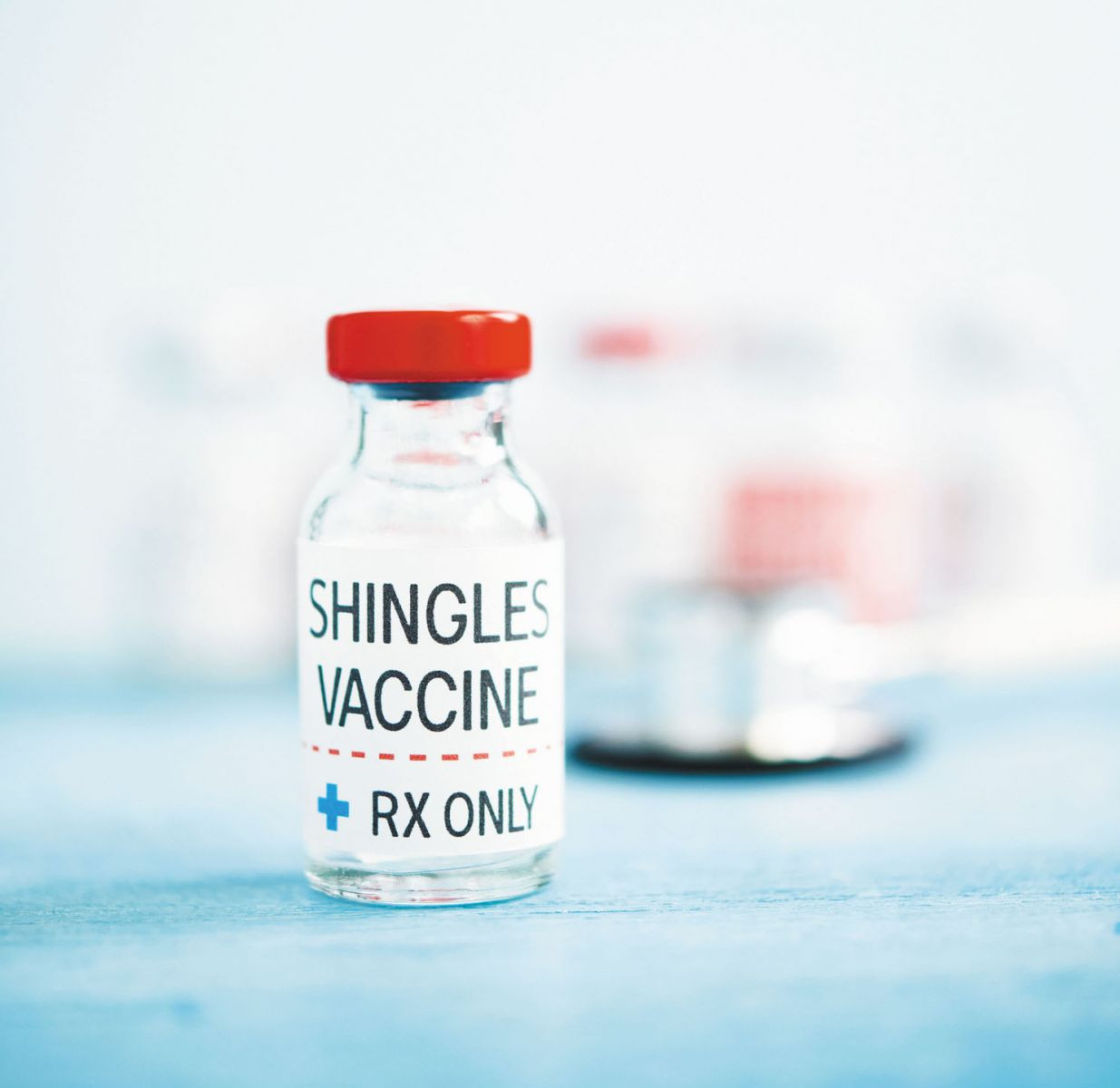
Is shingles contagious?
Ask the doctors
Q. I understand that shingles is caused by a virus. Does that mean that shingles is contagious?
A. Yes and no. If you had chickenpox when you were a child, you are at risk for shingles. Shingles occurs when the varicella-zoster virus that caused your chickenpox re-emerges after lying dormant in your nerve cells from the time of your original illness. When this occurs, you are contagious, but you can't give someone shingles. You can, however, infect people with chickenpox if they haven't been exposed to the virus in the past and haven't been vaccinated against it. For this reason, it's important to take precautions, particularly if you are close to someone who has a weakened immune system.

Beware of bats to avoid rabies infection
Research we're watching
Rabies infections are extremely rare in the United States, with only approximately one to three cases seen each year. That number has dropped significantly since the 1930s and 40s when there were 30 to 50 cases during the average year. But when they do occur, they're typically transmitted by infected bats. According to a new report by the CDC, the majority of people who have died from rabies in the United States were infected through contact with a bat. This is the case even though bats represent only one-third of the 5,000 rabid animals typically seen in the United States each year. The second most common source for rabies infections in Americans is rabid dogs encountered when people are traveling overseas.
To prevent exposure to rabies, be certain to let your doctor know if you are scratched or bitten by a bat, or if you awaken with one flying around your house or bedroom, says the CDC. If you are exposed to rabies, your doctor can administer a series of shots (known as post-exposure prophylaxis) before you develop symptoms, which can prevent you from developing a rabies infection, which is almost always fatal. If you are traveling outside the United States, be aware that dogs may carry the infection.


Self-help steps to get through hemorrhoid flare-ups
Hemorrhoids are common and can be extremely painful and uncomfortable during occasional flare-ups. These swollen blood vessels on the outer rectum and anus can bleed and turn bowel movements into intensely painful experiences. But simple hemorrhoid self-help measures can ease the ordeal of most hemorrhoids and allow healing. Dr. Jacqueline Wolf, a gastroenterologist and associate professor of medicine at Harvard-affiliated Beth Israel Deaconess Medical Center, suggests some effective steps you can take to care for hemorrhoids—and when it's time to seek out a procedure to remove them.
Step up the fiber
Hemorrhoids come in two varieties. The internal type sprout from within the rectum. External hemorrhoids develop on the anus itself. Either way, passing stools by hemorrhoids may cause pain and bleeding.

Is fibromyalgia hereditary?
Ask the doctors
Q. My mother has fibromyalgia, and I think I'm starting to experience similar symptoms. Is fibromyalgia hereditary?
A. Yes. Fibromyalgia, a chronic pain condition that affects some six million or more Americans, can run in families. In fact, one of the most important risk factors for fibromyalgia is a family history of the disorder. Fibromyalgia is sometimes known to affect multiple members of the same family. Your risk rises if you have a first-degree relative — a parent, a brother, sister, or child — with the condition.

Are sunstroke and heatstroke the same?
On call
Q. Is there any difference between sunstroke and heatstroke and are there certain signs and symptoms I should look for?
A. These two terms refer to the same condition. Heatstroke (or sunstroke) happens when the body can no longer maintain a temperature of under 105° F when exposed to hot weather. People almost always have warning symptoms before heatstroke, yet sometimes they do not pay attention, or are not able to take action.

Poor sense of smell may predict risk of death in older adults
In the journals
Previous studies have shown a link between loss of smell among older adults and risk of death within a short period — often five years or less. Now, a report published online May 21, 2019, by Annals of Internal Medicine confirmed this increased risk of death over more than a decade, as well as identifying the leading causes of death.
Researchers gave smell identification tests to 2,289 adults ages 71 to 82 (about half of whom were men). They found that those who scored low on the smell test had a 46% higher risk of dying within 10 years, and 30% within 13 years, compared with those who had a stronger sense of smell.
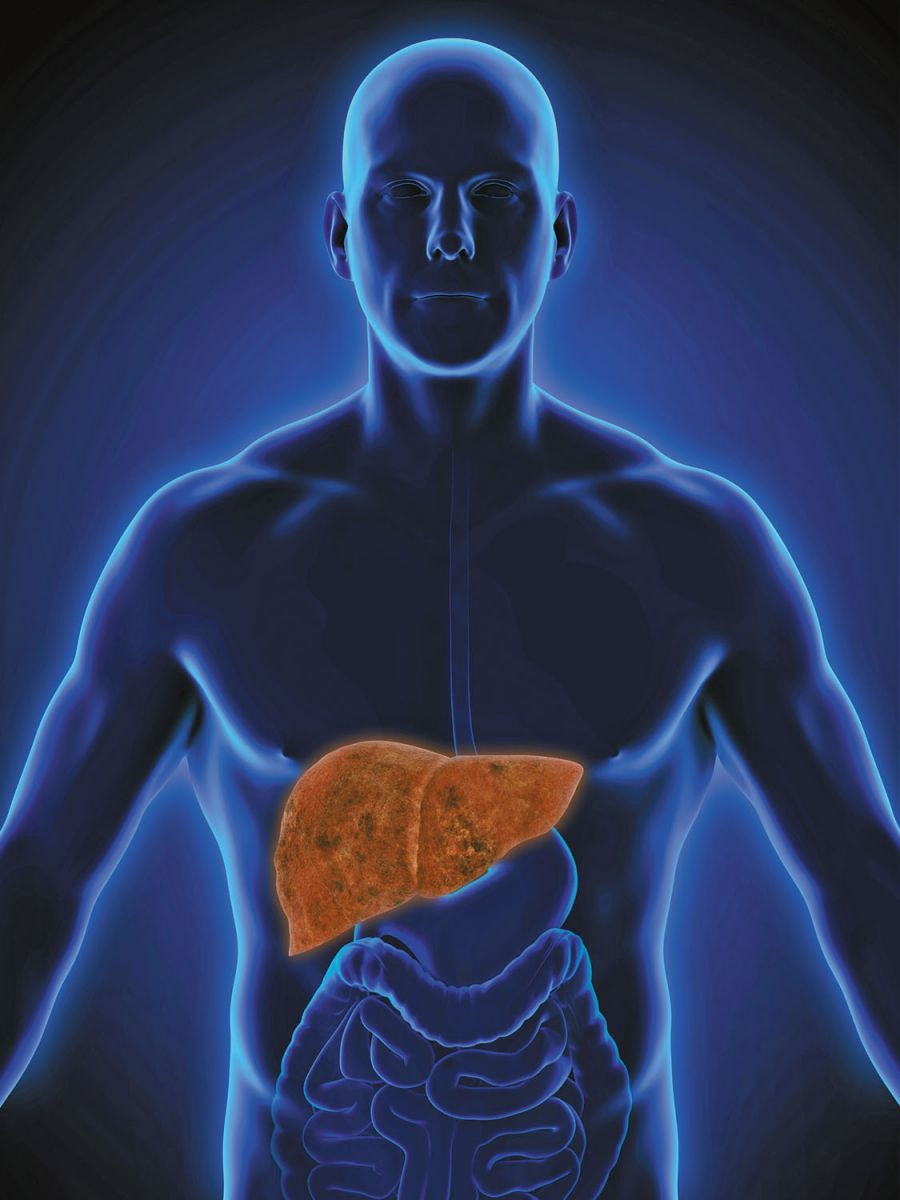
Fatty liver disease: An often-silent condition linked to heart disease
These two common conditions have many overlapping risk factors, but they both respond to healthy lifestyle changes.
The biggest organ inside your body, your liver, lies just below and to the right of your heart. This powerhouse organ performs many vital roles in the body, including processing cholesterol and making proteins that help your blood clot. But as many as one in four Americans has a potentially dangerous accumulation of fat inside the liver. This condition, known as non-alcoholic fatty liver (NAFL), often goes hand in hand with obesity and diabetes. Both of those conditions boost the risk of heart disease, and growing evidence also links NAFL with cardiovascular problems.
"The connection between fatty liver and early signs of plaque in the coronary arteries is increasingly compelling," says Dr. Tracey Simon, a hepatologist at Harvard-affiliated Massachusetts General Hospital (MGH). Excess fat around the liver and other organs in the abdomen—known as abdominal obesity — is another likely related problem. In fact, abdominal obesity seems to accelerate the progression of fatty liver to a more serious form of the problem, nonalcoholic steatohepatitis, or NASH (see "The many faces of fatty liver disease").
Light exposure at night may raise risk for heart disease
Whole grains may improve several heart risk factors at once
A lumbar belt may help ease low back pain
Children of centenarians may stay healthier and live longer too, study finds
Signs of pneumonia: Sometimes vague and unexpected
The surprising link between ovarian cancer and the fallopian tubes
Using a vibration plate: What it can — and can't — do for your body
People who walk more or walk faster live longer, study finds
For sleep apnea, a dental device may be as effective as CPAP
Rosacea treatments: What works?
Free Healthbeat Signup
Get the latest in health news delivered to your inbox!
Sign Up
