Diabetes Archive

Articles

High-glycemic diets could lead to big health problems

A diet consisting primarily of foods high on the glycemic index—those with high amounts of quickly digestible carbohydrates—can increase a person’s risk of cardiovascular disease and early death, suggests a study that looked at almost 138,000 people around the world.

5 important blood tests beyond the basics

Five blood tests beyond basic blood work may be worth pursuing for older adults. For example, a test to determine one’s vitamin B12 level might be helpful, since older adults sometimes have trouble absorbing that vitamin. Likewise, older adults have less ability to absorb sunlight through the skin, which may lead to less production of vitamin D. Other blood tests to consider include those for HIV or hepatitis C infection, and a test to measure fasting blood sugar.

Pick up the pace for better walking with peripheral artery disease

A small, randomized trial published online April 6, 2021, by JAMA found that people who took part in a high-intensity walking program for one year covered more ground in six minutes than people who’d taken part in a low-intensity walking program.

Man's best friend — and medicine's too?

Scientists are studying whether medical detection dogs can sniff out and identify disease in humans, such as cancer, infection, and Parkinson’s disease. Dogs might be useful because their noses have 60 times the number of scent receptors as human noses; that might make dogs able to detect scents given off by bacteria or diseased human cells. But it’s hard to get solid evidence about the accuracy of medical detection dogs. Scientists are also studying whether technology can replicate the same kind of detection.

Advice about daily aspirin

The heart-protecting benefits of a daily low-dose aspirin have to be weighed against the risk of bleeding, a common side effect that is usually minor but sometimes serious. The calculation depends on age and whether a person has cardiovascular disease, diabetes, or a condition that raises risk of bleeding.

Easing summer swelling

Lower leg and foot swelling is most often the result of an abnormal buildup of fluid, which doctors refer to as edema. Fluid tends to flow downhill, making it more likely to pool in the lower parts of the body. Excess fluid retention can be triggered by many things, including eating too much salt, heat, drinking alcohol, or standing for a long period of time. To reduce it, reduce dietary sodium, elevate the feet at the end of the day and wear support stockings.

Not yet ready for cataract surgery? Try these tips
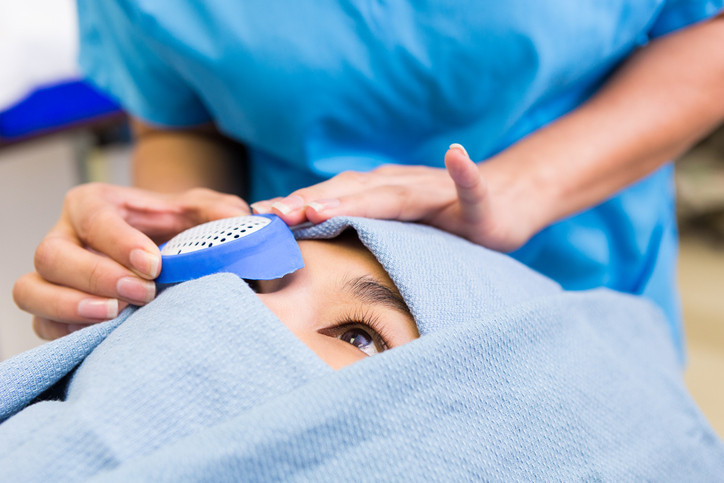
Cataracts often affect vision as people get older. The surgery is quick and effective, but most cataracts progress slowly, so in the early stages you may want to make some adjustments to your home and daily behavior to make living with cataracts easier.

Tendon trouble in the hands: de Quervain's tenosynovitis and trigger finger

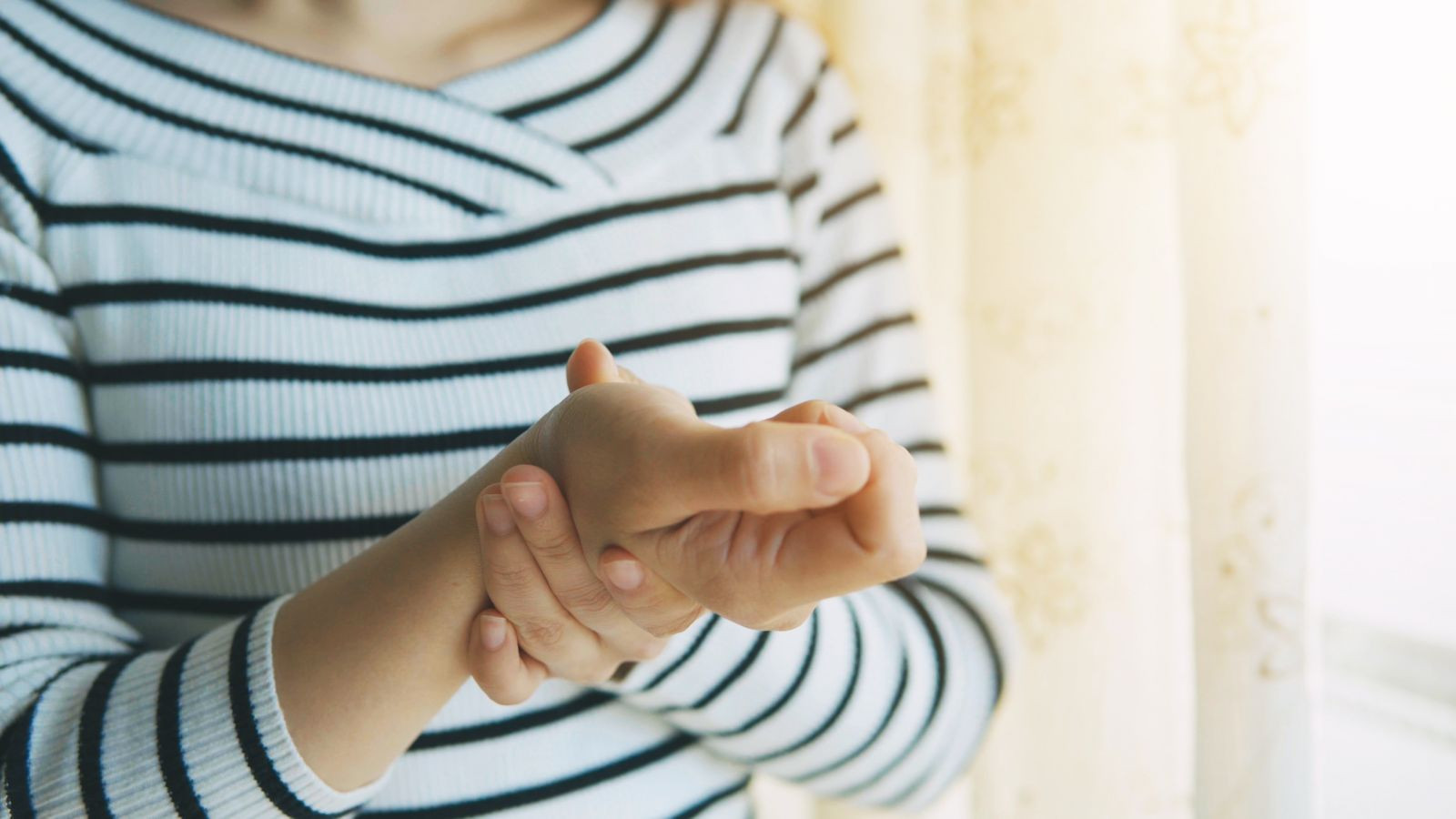
Painful conditions like de Quervain's tenosynovitis, inflammation of the tendons that move the thumb, and stenosing tenosynovitis, or trigger finger, when a digit becomes locked, can develop due to overuse or repetitive movement.

By the way, doctor: Is it okay to take a stool softener long-term?

I have been taking a stool softener daily for two months. It's helped with my constipation. Are there any risks to taking a stool softener on a long-term basis?

By the way, doctor: Should I be worried about a kidney cyst?

Recently, I had a pelvic ultrasound to evaluate uterine fibroids. During the procedure, the radiologist found a cyst in one of my kidneys. Should I be concerned about kidney cancer?

Free Healthbeat Signup

Get the latest in health news delivered to your inbox!

Sign Up
Harvard Health Publishing Logo

Thanks for visiting. Don't miss your FREE 32-page gift worth $29.95.

PLUS, don’t miss out on your 25% off promo code.

Sign up to get tips for living a healthy lifestyle—You’ll discover powerful, research- backed strategies for health longevity drawn from Harvard Medical School experts—ways to eat for a longer life, build strength and flexibility to stay independent, protect your bones, heart, and brain as you age, and even cultivate the habits linked with “super-agers” who stay sharp and active well into their 80s and 90s—all delivered to your email box FREE.

Harvard Health Publishing Logo

Stay on top of latest health news from Harvard Medical School.

Plus, get a FREE copy of Living Longer, Living Well!.

Harvard Health Publishing Logo

Stay on top of latest health news from Harvard Medical School.

Plus, get a FREE copy of Living Longer, Living Well.