

Light exposure at night may raise risk for heart disease

Whole grains may improve several heart risk factors at once

A lumbar belt may help ease low back pain

Children of centenarians may stay healthier and live longer too, study finds

Signs of pneumonia: Sometimes vague and unexpected

The surprising link between ovarian cancer and the fallopian tubes

Using a vibration plate: What it can — and can't — do for your body

People who walk more or walk faster live longer, study finds

For sleep apnea, a dental device may be as effective as CPAP

Rosacea treatments: What works?
Diabetes Archive
Articles

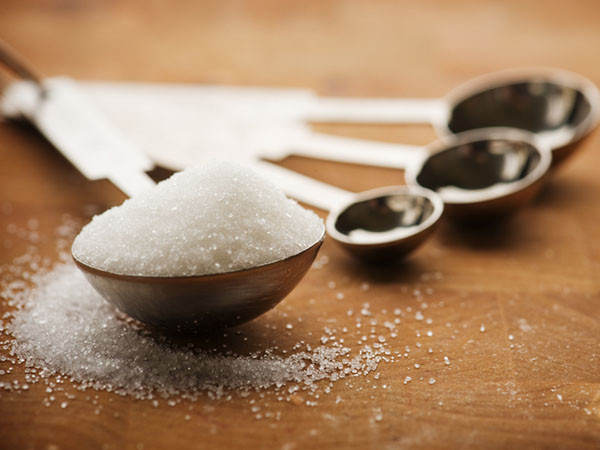
Sugar: How sweet it is... or is it?
As more Americans are considered obese, including children, a study examined what effect a voluntary reduction in the sugar content of foods would have on rates of obesity, diabetes, heart disease, and health care costs. But in the absence of such a change, there are ways you can reduce your sugar intake without having to give up sweet treats entirely.


Wondering how much your medical care will cost? New rules could help
Even with insurance, the cost of a medical visit or procedure can be a mystery. Pricing varies widely depending on who your insurer is, which health plan you have, and exactly what that covers. Will new rules attempting to bring some transparency to the pricing structures of hospitals and other healthcare facilities help?
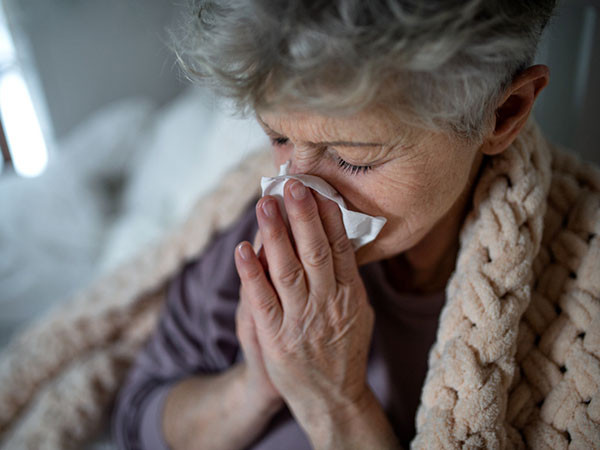
Remember the flu? Yep, it's that time again
Last winter's flu season was mild, partly due to record high rates of flu vaccination and steps people were already taking to protect themselves from COVID-19. But don't let that fool you — some flu seasons are severe, so it it's wise to get a flu shot and take other precautions that can help you stay healthy this winter.

What could be causing my hand to shake?
Essential tremor causes involuntary shaking, most often in the hands, head and voice. It may be an inherited condition and is different from another well-known tremor disorder called Parkinson's disease. There is no cure, but symptoms can be managed through medication and lifestyle changes.

Do people who have COVID-19 go on to develop other diseases?
Evidence suggests that people who recover from COVID-19 have an increased risk for developing new health problems, including heart attacks, high blood pressure, diabetes, high cholesterol, muscle inflammation, blood clots that travel to the lungs, strokes from clots or hemorrhages, or psychosis. This is in addition to permanent damage that can result from having COVID, including damage to the lungs, heart, kidneys, brain, or other organs; and debilitating fatigue, difficulty thinking, and other symptoms that make it hard to function normally at work or at home.

Influenza: How to prevent and treat a serious infection
Millions of Americans get influenza during most flu seasons. Good hygiene habits can help you avoid catching the virus, and a flu shot can substantially reduce your risk as well.

Tooth loss truth: It's no longer about the tooth fairy
Older Americans are keeping their teeth longer, but the prevalence of tooth loss is higher among people with chronic disease or overall worse health. However, loss of a tooth can also result from tooth decay, periodontal infection, or accidental trauma. Aside from accidents, most people should be able to prevent tooth loss by following good oral care habits.

Light exposure at night may raise risk for heart disease
Whole grains may improve several heart risk factors at once
A lumbar belt may help ease low back pain
Children of centenarians may stay healthier and live longer too, study finds
Signs of pneumonia: Sometimes vague and unexpected
The surprising link between ovarian cancer and the fallopian tubes
Using a vibration plate: What it can — and can't — do for your body
People who walk more or walk faster live longer, study finds
For sleep apnea, a dental device may be as effective as CPAP
Rosacea treatments: What works?
Free Healthbeat Signup
Get the latest in health news delivered to your inbox!
Sign Up
