

Light exposure at night may raise risk for heart disease

Whole grains may improve several heart risk factors at once

A lumbar belt may help ease low back pain

Children of centenarians may stay healthier and live longer too, study finds

Signs of pneumonia: Sometimes vague and unexpected

The surprising link between ovarian cancer and the fallopian tubes

Using a vibration plate: What it can — and can't — do for your body

People who walk more or walk faster live longer, study finds

For sleep apnea, a dental device may be as effective as CPAP

Rosacea treatments: What works?
Diabetes Archive
Articles

Casing the joints

Should I be worried about fatty liver disease?
People with nonalcoholic fatty liver disease, which is fatty liver not caused by high alcohol intake, should refrain from most drinking and lose weight to avoid cirrhosis and lower their risk of liver cancer.

Gastroparesis: A slow-emptying stomach can cause nausea and vomiting
Gastroparesis is a condition that causes delay in the emptying of food from the stomach. This can cause uncomfortable symptoms like nausea, vomiting, and abdominal pain, and can affect nutrition and quality of life. Treatment may involve medication or a procedure, but a correct diagnosis is necessary first.

What to do when elective surgery is postponed
When hospitals fill with COVID-19 patients, elective surgeries need to be postponed. If your elective surgery is temporarily derailed, what steps can you take to help yourself cope and be prepared for when the surgery is rescheduled?

Did we really gain weight during the pandemic?
Researchers studying weight gain during the pandemic looked at health records for millions of people from both before it and during the first year of it. Unsurprisingly, a significant percentage of people gained weight, but less expected is that nearly as many people lost weight during the same time period.

Frequent migraines? Eating fatty fish may offer comfort
Can COVID cause diabetes?
COVID-19 infections may raise the risk of developing diabetes, because the virus can damage insulin-producing cells in the pancreas.

Can you get shingles more than once?
It is possible to get shingles more than once. But getting vaccinated with the Shingrix vaccine may help prevent this from occurring.
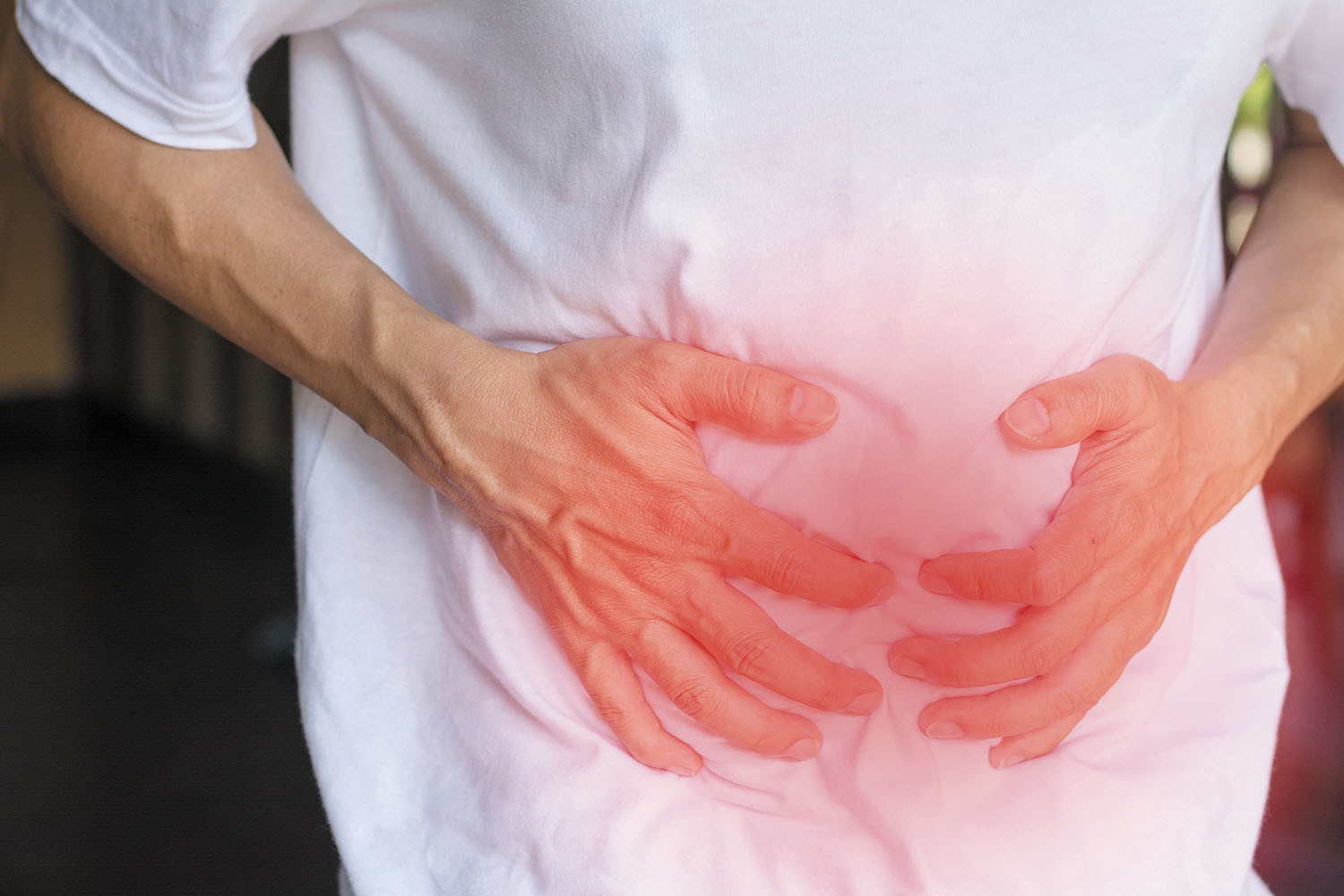
Inflammatory bowel disease on the rise in older adults

Better blood sugar tracking: A benefit for heart health?
Light exposure at night may raise risk for heart disease
Whole grains may improve several heart risk factors at once
A lumbar belt may help ease low back pain
Children of centenarians may stay healthier and live longer too, study finds
Signs of pneumonia: Sometimes vague and unexpected
The surprising link between ovarian cancer and the fallopian tubes
Using a vibration plate: What it can — and can't — do for your body
People who walk more or walk faster live longer, study finds
For sleep apnea, a dental device may be as effective as CPAP
Rosacea treatments: What works?
Free Healthbeat Signup
Get the latest in health news delivered to your inbox!
Sign Up
