

Healing after food poisoning

What is tempeh? Benefits, nutrition, and how to use it

Light exposure at night may raise risk for heart disease

Whole grains may improve several heart risk factors at once

A lumbar belt may help ease low back pain

Children of centenarians may stay healthier and live longer too, study finds

Signs of pneumonia: Sometimes vague and unexpected

The surprising link between ovarian cancer and the fallopian tubes

Using a vibration plate: What it can — and can't — do for your body

People who walk more or walk faster live longer, study finds
Diabetes Archive
Articles

A closer look at alcohol's effect on heart health
Excessive drinking can contribute to high blood pressure, obesity, and stroke, while moderate drinking (no more than one drink per day for women and two drinks or fewer per day for men) is linked to a lower risk of heart problems. One possible mechanism might be stress reduction. Brain scans of people who reported light to moderate drinking show less activity in the part of the brain that responds to stress, compared with the scans of people who abstained or drank very little. Stress not only raises blood pressure and heart rate but also triggers inflammation that causes plaque buildup, which contributes to heart attacks.

Testosterone therapy may be safe for men at risk for heart attack and stroke
A 2023 study suggests taking testosterone replacement therapy does not raise the risk for heart attacks or stroke among men with cardiovascular disease or a high risk for it, but it could increase the risk of atrial fibrillation, acute kidney injury, and pulmonary embolism.

No bones about it
While the bone-weakening disease osteoporosis most often strikes women, about 6% of men ages 65 and older have it. Preventing osteoporosis and treating it if it occurs focuses on stopping or at least slowing bone loss. The main ways to do this are maintaining proper calcium and vitamin D levels and engaging in weight-bearing activities and exercises that help build muscle and improve balance. Raising low testosterone levels or taking a class of drugs known as bisphosphonates also may help.

Do I need any more COVID vaccinations?
Who should get COVID vaccine boosters and when will remain in flux for at least another year. This summer, the FDA instructed the vaccine makers to have the next COVID vaccine target the XBB.1.5 Omicron subvariant. The CDC will be issuing specific recommendations by October, but infectious disease experts expect the newer vaccine to provide the most benefit for people over 65 and those younger with chronic conditions.

The bumpy truth
Skin lumps or bumps occur on or just under the skin. Most are harmless. Aside from basal and squamous cell skin cancers, most other skin lumps are epidermal cysts or lipomas. Other growths include cherry angiomas, dermatofibromas, keloids, and very rarely cancerous tumors called sarcomas. People should seek medical attention for any lump appearing near lymph nodes, which sometimes signals cancer. A doctor should also evaluate growths that grow quickly, bleed, look infected, or feel painful. Most skin lumps or bumps don't need treatment.

Why are my ankles swollen?
Edema in the legs occurs when fluid backs up in the small vessels of the feet, ankles, or calves and pools in surrounding tissues. While most often not serious and easily managed, new or persistent edema requires medical evaluation.


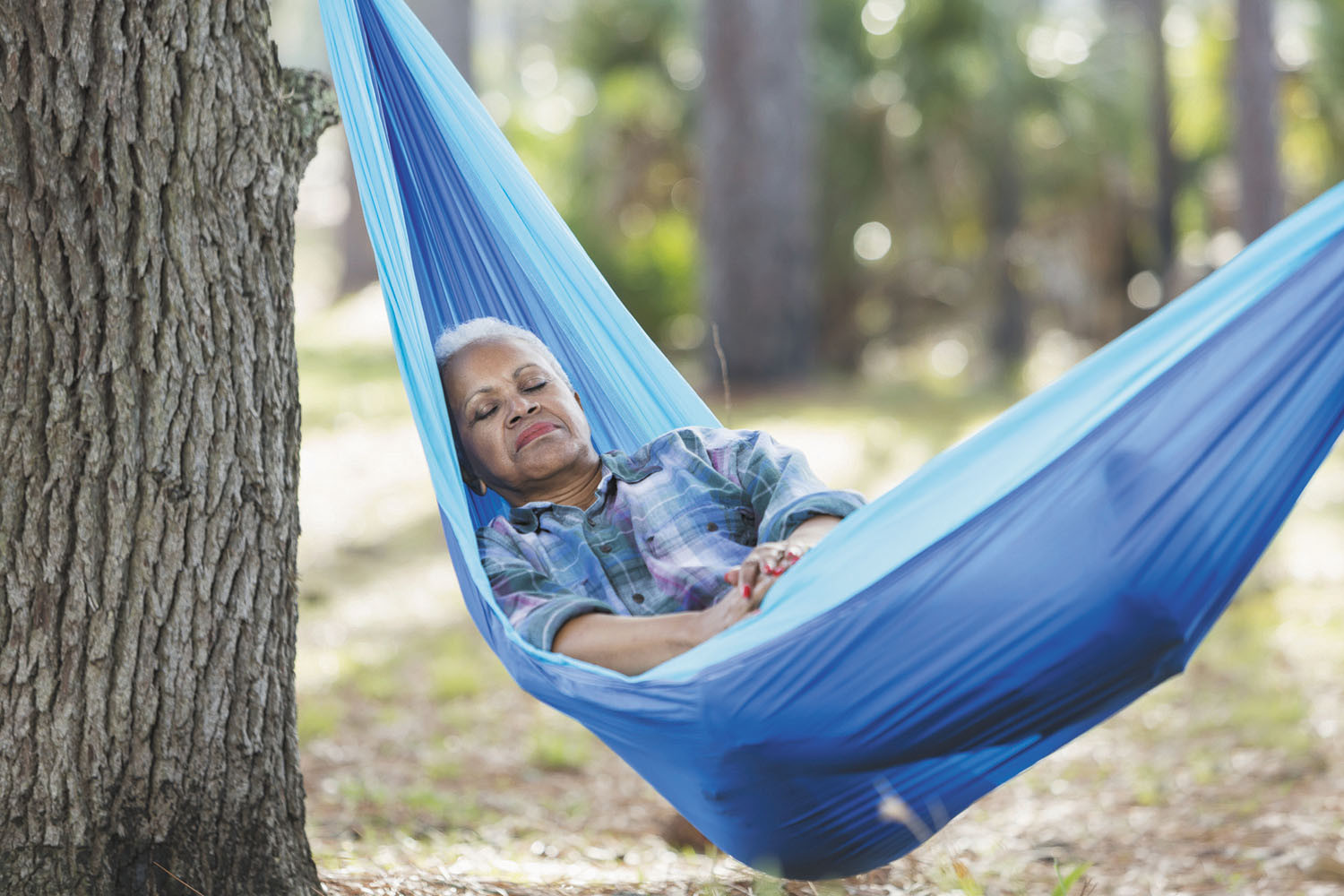
Is your daily nap doing more harm than good?
Naps can be healthy for adults who need to catch up on sleep or work odd hours, but they can also make it more difficult to sleep at night and be a sign of a sleep disorder. Naps should be short and limited to the early afternoon to prevent them from interfering with nighttime sleep. People who have the urge to nap daily should consider whether they need to improve their nighttime sleep habits.

Healing after food poisoning
What is tempeh? Benefits, nutrition, and how to use it
Light exposure at night may raise risk for heart disease
Whole grains may improve several heart risk factors at once
A lumbar belt may help ease low back pain
Children of centenarians may stay healthier and live longer too, study finds
Signs of pneumonia: Sometimes vague and unexpected
The surprising link between ovarian cancer and the fallopian tubes
Using a vibration plate: What it can — and can't — do for your body
People who walk more or walk faster live longer, study finds
Free Healthbeat Signup
Get the latest in health news delivered to your inbox!
Sign Up
