

Healing after food poisoning

What is tempeh? Benefits, nutrition, and how to use it

Light exposure at night may raise risk for heart disease

Whole grains may improve several heart risk factors at once

A lumbar belt may help ease low back pain

Children of centenarians may stay healthier and live longer too, study finds

Signs of pneumonia: Sometimes vague and unexpected

The surprising link between ovarian cancer and the fallopian tubes

Using a vibration plate: What it can — and can't — do for your body

People who walk more or walk faster live longer, study finds
Diabetes Archive
Articles

Leprosy in Florida: How worried should we be?
News coverage of a case of leprosy in central Florida may have made it seem like there is an increased threat the disease would spread. Misconceptions about this disease have persisted for a long time, but the facts are reassuring.

Preventing kidney stones
Men prone to kidney stones should drink plenty of water, get adequate calcium, reduce sodium, limit animal protein, and avoid foods that could make kidney stones more likely to form. Dietary restrictions depend on the stones the person tends to form.


When should you worry about fainting?
While the cause of fainting often is something minor, fainting also can be a sign of a serious underlying medical problem.

The FDA relaxes restrictions on blood donation
While the FDA rules for blood donation were revised twice in the last decade, one group — men who have sex with men — continued to be turned away from donating. Now new, evidence-based FDA rules will focus on individual risk rather than groupwide restrictions.

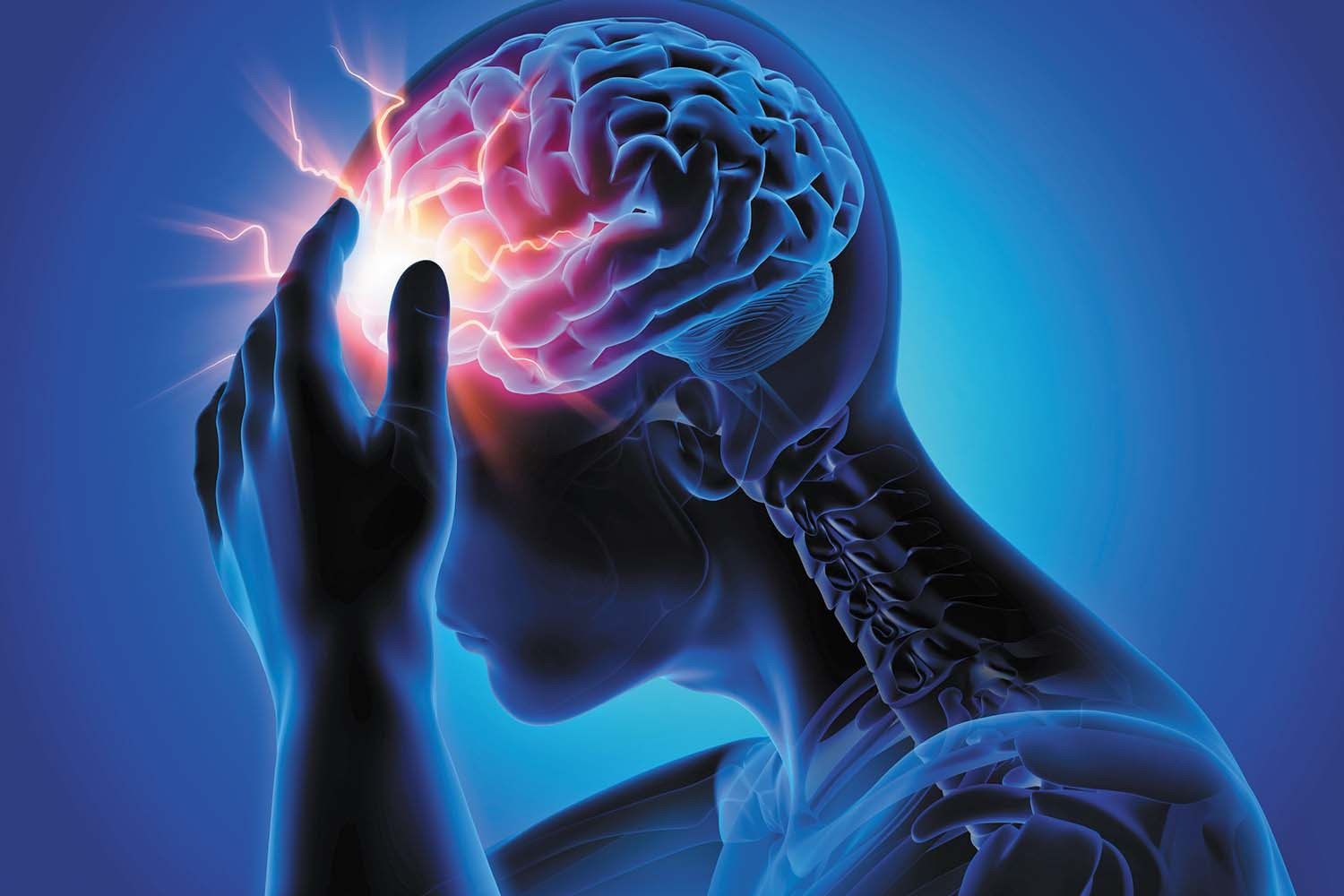
Top 7 reasons you have a headache
Headaches can have many triggers from allergies to stress, or even hunger. Understanding headache triggers can help you avoid one in the future. Here's a look at the most common triggers for each kind of headache.

Having one chronic condition can boost the risk for others
Many chronic conditions seem to be related. Examples include obesity, high blood pressure, type 2 diabetes, high cholesterol, and heart disease; hearing loss and dementia; obstructive sleep apnea and high blood pressure; various autoimmune diseases; and obesity and joint problems. People with chronic conditions should ask their doctors about the risk for associated diseases.In some cases, they should have certain health screenings to check for them. In other cases, additional screening isn't automatic.


Healing after food poisoning
What is tempeh? Benefits, nutrition, and how to use it
Light exposure at night may raise risk for heart disease
Whole grains may improve several heart risk factors at once
A lumbar belt may help ease low back pain
Children of centenarians may stay healthier and live longer too, study finds
Signs of pneumonia: Sometimes vague and unexpected
The surprising link between ovarian cancer and the fallopian tubes
Using a vibration plate: What it can — and can't — do for your body
People who walk more or walk faster live longer, study finds
Free Healthbeat Signup
Get the latest in health news delivered to your inbox!
Sign Up
