

Healing after food poisoning

What is tempeh? Benefits, nutrition, and how to use it

Light exposure at night may raise risk for heart disease

Whole grains may improve several heart risk factors at once

A lumbar belt may help ease low back pain

Children of centenarians may stay healthier and live longer too, study finds

Signs of pneumonia: Sometimes vague and unexpected

The surprising link between ovarian cancer and the fallopian tubes

Using a vibration plate: What it can — and can't — do for your body

People who walk more or walk faster live longer, study finds
Diabetes Archive
Articles

Respiratory virus cases tick upward out of season: What parents should know
Respiratory syncytial virus, or RSV, is the leading cause of bronchiolitis and pneumonia in children under a year old. Usually, cases drop in spring and summer, but the pattern is changing and parents should be watchful.

Should I worry about the side effects of proton-pump inhibitors?
People with esophagitis (esophageal inflammation) can use proton-pump inhibitors to manage their acid reflux. This kind of medication can protect against scarring and narrowing of the lower esophagus.
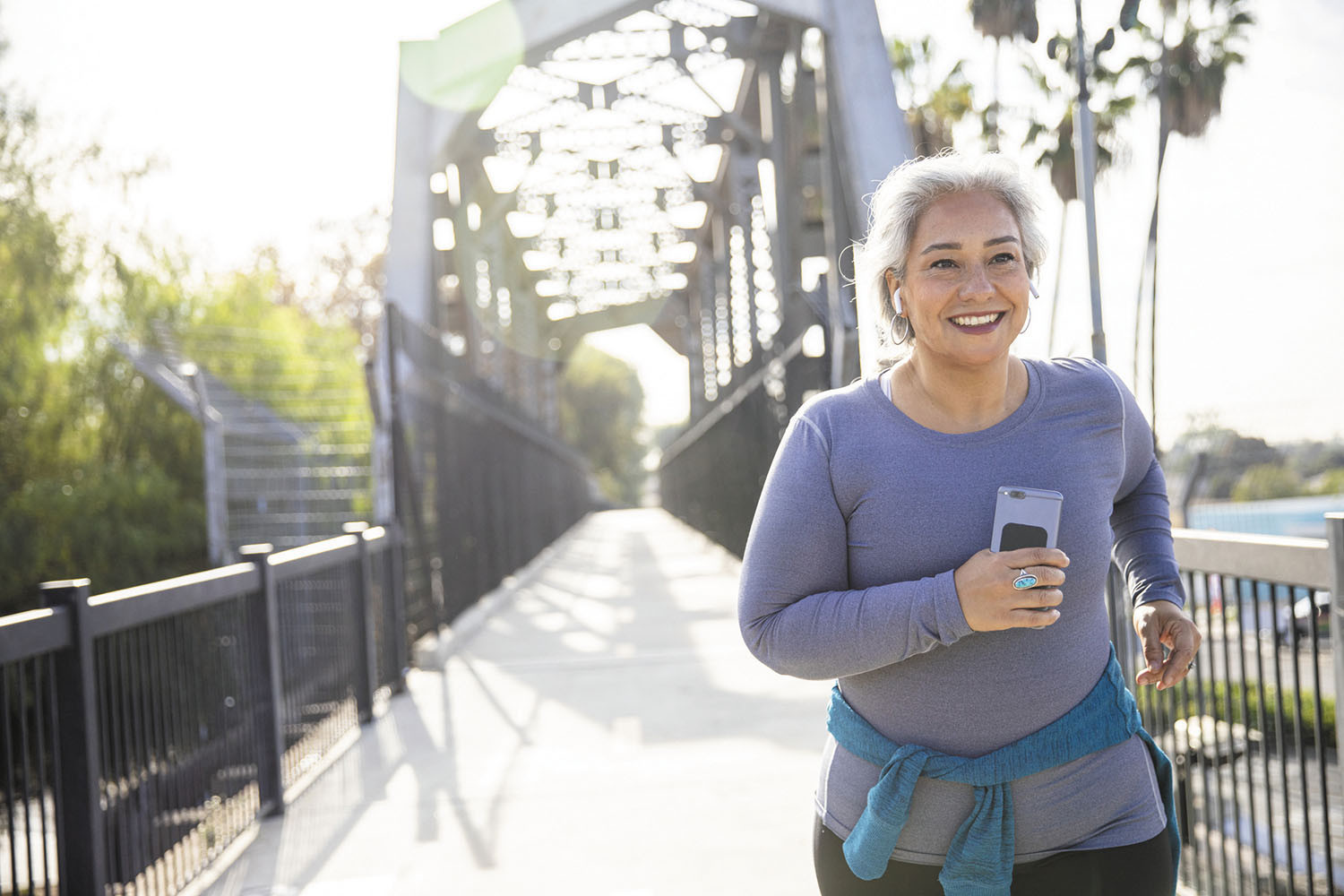
Exercise may counteract inherited risk for diabetes
Getting regular exercise can help fend off diabetes, even in people with a genetic propensity for the disease, according to a 2023 study.

Why do I feel dizzy after a meal?
Postprandial hypotension—low blood pressure after eating—is common in older adults. It occurs when blood flow is diverted away from the body, including the heart and brain, and instead gets routed to the stomach and intestines during digestion.

After the baby grows up, how will your heart fare?
Pregnancy and reproductive complications, including high blood pressure, diabetes, pre-eclampsia, infertility, and stillbirth, are linked with higher cardiovascular risks in affected women many years later. Such complications affect 5% to 10% of pregnancies and are rising as obesity rates increase and more women postpone pregnancy. Ongoing preventive care and screenings are crucial for women who experienced pregnancy complications to monitor blood pressure, cholesterol, and blood sugar levels and treat any irregularities aggressively.

Sugary drinks appear to increase health risks for people with diabetes
A 2023 study suggests that people with diabetes have higher risks of developing cardiovascular disease or dying earlier if they regularly drink sugary beverages.

Physical activity may lower Parkinson's risk in women
A 2023 study suggests regular physical activity, including walking, climbing stairs, gardening, and cleaning, may help prevent or delay the onset of Parkinson's disease in women.

When everyday noises upset you
Misophonia is a sensory processing disorder characterized by extreme aversion to sounds people make, such as chewing, sniffling, throat-clearing, and heavy breathing. A 2023 study suggests one in five adults deals with misophonia, which can hamper family and social life. Treatment options typically blend behavior-based therapies with medication. Cognitive behavioral therapy is emerging as an evidence-based treatment. People with misophonia can also ease sound aversions by wearing earplugs or headphones and using white noise machines.

When fatigue leaves you drained, depleted, and dumbfounded
Fatigue affects up to three-quarters of older adults with chronic conditions. Some causes are obvious, while others are less well recognized. They include sleep disorders, anemia, poor diet, thyroid problems, mood disorders, and medication use. People with prolonged, unexplained fatigue should see a doctor, who will perform a physical exam, ask about medical history, and in some cases perform blood or other tests. People can boost energy levels by exercising more, optimizing diet, using caffeine strategically, and limiting alcohol consumption.

Men, women, and red meat risk: Maybe both sexes should put down the burger
A 2023 review of 70 studies found that both unprocessed and processed red meat are linked to higher risks of cardiovascular disease and diabetes, with no apparent difference in risk between men and women.
Healing after food poisoning
What is tempeh? Benefits, nutrition, and how to use it
Light exposure at night may raise risk for heart disease
Whole grains may improve several heart risk factors at once
A lumbar belt may help ease low back pain
Children of centenarians may stay healthier and live longer too, study finds
Signs of pneumonia: Sometimes vague and unexpected
The surprising link between ovarian cancer and the fallopian tubes
Using a vibration plate: What it can — and can't — do for your body
People who walk more or walk faster live longer, study finds
Free Healthbeat Signup
Get the latest in health news delivered to your inbox!
Sign Up
