

Whole grains may improve several heart risk factors at once

Light exposure at night may raise risk for heart disease

Children of centenarians may stay healthier and live longer too, study finds

A lumbar belt may help ease low back pain

Signs of pneumonia: Sometimes vague and unexpected

Using a vibration plate: What it can — and can't — do for your body

The surprising link between ovarian cancer and the fallopian tubes

People who walk more or walk faster live longer, study finds

Rosacea treatments: What works?

For sleep apnea, a dental device may be as effective as CPAP
Diabetes and metabolic health Archive
Articles

Lifestyle counseling may help men eat healthier and reduce their risk for diabetes
Overweight or obese men diagnosed with prediabetes who received counseling on healthy eating habits and online support significantly improved their diets and reduced their risk for developing diabetes, according to a 2025 study.

Skipping breakfast may increase risk for metabolic syndrome
In a 2025 study, skipping breakfast was associated with a 10% increased risk for metabolic syndrome, a disorder defined by having three or more of the following: abdominal obesity, high blood pressure, high blood sugar, high triglycerides, and low HDL cholesterol.

Women with diabetes may face more hidden heart damage
A 2025 study suggested that women with diabetes are nearly twice as likely as men to have hidden heart disease. These women might especially benefit from early screening for problems in the small blood vessels of the heart.

The case for watching your blood sugar
Being mindful of how various factors affect blood sugar levels can help people avoid fatigue, curb cravings, boost mood, and manage weight. Blood sugar spikes after people eat carbohydrate-heavy foods, soon dropping again. Eating balanced meals and snacks that include protein, fat, and carbohydrates can maintain more stable blood sugar levels. People can keep blood sugar levels consistent by timing meals, practicing portion control, prioritizing healthy foods, staying active, avoiding smoking, and keeping a food log.

Several risk factors in midlife may lead to dementia
Researchers have found that high blood pressure, diabetes, and smoking had the greatest association with the likelihood of a dementia diagnosis as people age. Managing these issues could offer protection.
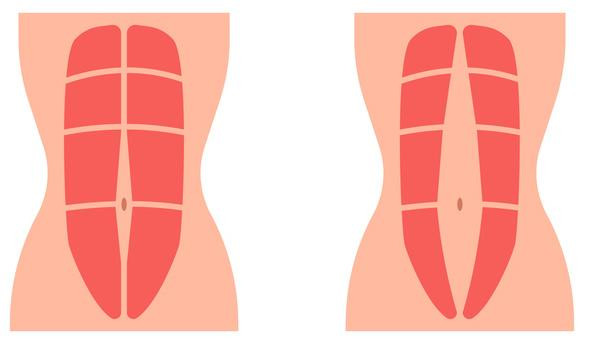
Battle of the bulge
Diastasis recti occurs when the rectus abdominis muscle - the "six-pack" - separates and leads to a midline abdominal bulge. This might happen because of pregnancy, aging, genetics, excessive abdominal pressure, or abdominal surgery. The bulge becomes more noticeable when lifting heavy objects, getting out of bed, or even performing everyday tasks. The condition usually doesn't resolve on its own. Working with a physical therapist can help decrease the muscle separation.

Exercising 150 minutes per week could help reverse prediabetes
People with prediabetes may be able to reduce their risk of developing type 2 diabetes with 150 minutes of moderate-intensity exercise per week, says a 2025 study. Exercise can help lower blood sugar and excess weight, the main risk factors for progression of prediabetes to type 2 diabetes.

Do GLP-1 drugs reduce inflammation?
In a 2025 study of nearly a million people with diabetes, those who took GLP-1 drugs had a reduction of 10% to 20% in heart failure, cardiac arrest, lung failure and pneumonia, and dementia, compared with people who took other diabetes medications.

Who's on your diabetes health care team?
Someone with a new diagnosis of diabetes might feel overwhelmed by the many strategies required to help control the disease. It helps to add several experts to the care team. Soon after a diagnosis, it's a good idea to schedule appointments with a dietitian, an eye doctor, an endocrinologist, and a certified diabetes educator. It's also helpful to add other experts as needed to the team, such as a physical therapist, a podiatrist, a social worker or an aging life care manager, and a certified health coach.

Modified DASH diet lowers blood pressure in people with diabetes
For people with diabetes, a modified version of the Dietary Approaches to Stop Hypertension (DASH) diet can lower their blood pressure. Called DASH4D, it has fewer carbohydrates, more unsaturated fat, and slightly reduced amounts of potassium.
Whole grains may improve several heart risk factors at once
Light exposure at night may raise risk for heart disease
Children of centenarians may stay healthier and live longer too, study finds
A lumbar belt may help ease low back pain
Signs of pneumonia: Sometimes vague and unexpected
Using a vibration plate: What it can — and can't — do for your body
The surprising link between ovarian cancer and the fallopian tubes
People who walk more or walk faster live longer, study finds
Rosacea treatments: What works?
For sleep apnea, a dental device may be as effective as CPAP
Free Healthbeat Signup
Get the latest in health news delivered to your inbox!
Sign Up
