

Whole grains may improve several heart risk factors at once

Light exposure at night may raise risk for heart disease

Children of centenarians may stay healthier and live longer too, study finds

A lumbar belt may help ease low back pain

Signs of pneumonia: Sometimes vague and unexpected

Using a vibration plate: What it can — and can't — do for your body

The surprising link between ovarian cancer and the fallopian tubes

People who walk more or walk faster live longer, study finds

Rosacea treatments: What works?

For sleep apnea, a dental device may be as effective as CPAP
Diabetes and metabolic health Archive
Articles

5 numbers linked to ideal heart health
Five numbers give a thumbnail assessment of overall heart health and what factors people might need to address to lower the risk of a heart attack or stroke. These numbers offer ideal goals for most people, although targets vary for individuals based on age or other health conditions.

Seven hours of sleep linked to better blood sugar regulation
A 2026 study found that sleeping 7.3 hours on weeknights may be associated with better blood sugar regulation by improving insulin sensitivity—how efficiently cells respond to insulin and absorb sugar from the bloodstream.

When consequences of pregnancy complications develop later in life
Pregnancy complications such as gestational diabetes and preeclampsia—marked by high blood pressure that can impair organ function and affect blood vessels—are increasingly tied to higher lifetime cardiovascular risks. Women with these complications face greater odds of heart attack, stroke, and diabetes.
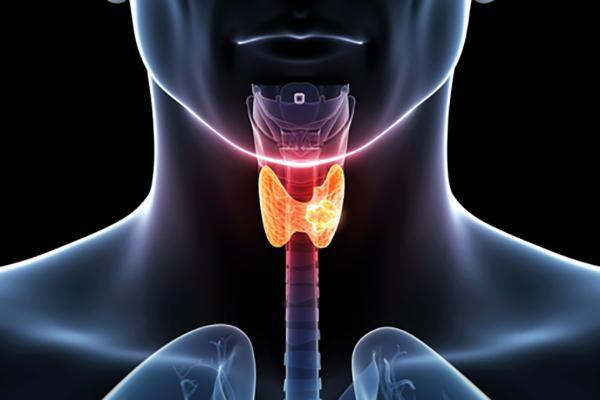
Thyroid hormone: How it affects your heart
The thyroid gland releases hormones that affect the heart. Too little thyroid hormone slows the heart rate and may boost blood pressure and cholesterol levels, while too much can trigger abnormal heart rhythms and high blood pressure.

The sweet danger of sugar
People consume too much added sugar — extra amounts that food manufacturers add to products to increase flavor and extend shelf life — which can have a serious impact on heart health.

Can lifestyle changes reverse fatty liver disease?
A new fatty liver diagnosis can be a wake-up call. Explore how diet, exercise, weight loss, and cutting alcohol may help protect your liver.

Could frequent hunger and dizziness be signs of low blood sugar?
Unexplained weight loss, frequent hunger, and feeling shaky or ill between meals may signal blood sugar swings that deserve a closer look.


What is chronic inflammation?
Chronic inflammation occurs when the immune system is over-stimulated all the time. It’s not clear why chronic inflammation develops in the body, but it is linked to many chronic conditions, such as diabetes and rheumatoid arthritis.

Weaning off a GLP-1? Tips for the transition
Research suggests that people who stop taking GLP-1 weight-loss drugs typically regain all the weight they lost in under two years. To sustain their progress, these people should eat more protein, fiber, and healthy fats; eat on a consistent schedule; exercise; and prioritize sleep.
Whole grains may improve several heart risk factors at once
Light exposure at night may raise risk for heart disease
Children of centenarians may stay healthier and live longer too, study finds
A lumbar belt may help ease low back pain
Signs of pneumonia: Sometimes vague and unexpected
Using a vibration plate: What it can — and can't — do for your body
The surprising link between ovarian cancer and the fallopian tubes
People who walk more or walk faster live longer, study finds
Rosacea treatments: What works?
For sleep apnea, a dental device may be as effective as CPAP
Free Healthbeat Signup
Get the latest in health news delivered to your inbox!
Sign Up
