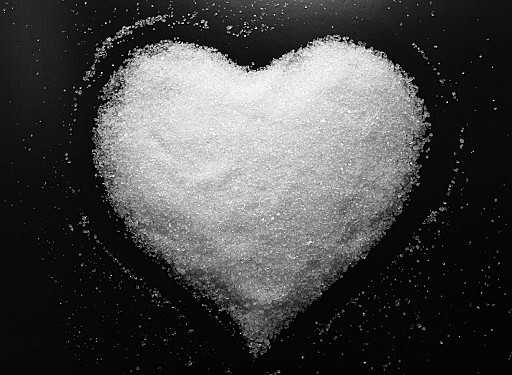
Can lifestyle changes reverse fatty liver disease?
Ask the expert

Q. I have recently been diagnosed with fatty liver disease. I'm also eating lots of vegetables and beans, and plan to exercise more and drink less. Do you think these measures might help?
A. Yes, you are off to a great start.
Having a fatty liver means that an excess of triglycerides (one type of fat) have accumulated inside liver cells. Doctors call this condition metabolic dysfunction-associated steatotic liver disease (MASLD). When the fat causes the liver to be inflamed, it's known as metabolic dysfunction-associated steatohepatitis (MASH).
The primary causes of fatty liver are weight gain, overuse of alcohol, diabetes, and insulin resistance. Insulin resistance means that the body has become less responsive to rising blood sugar levels. To compensate, the pancreas has to make more insulin and send it into the bloodstream. Higher blood levels of insulin slow down the normal turnover of triglycerides in liver cells, so they build up.
Most often, people with fatty livers don't have any symptoms. The condition might be discovered because of an abnormal liver blood test or the doctor feels a large liver during a physical exam. Or the large liver may be seen on an ultrasound or CT scan of the abdomen when the test is ordered for some other reason.
Untreated MASH can progress to cirrhosis of the liver — a serious condition where the liver becomes unable to do its job of cleaning toxins out of the bloodstream.
Eating healthier and decreasing alcohol use should help. But in my mind, it's not enough. I recommend complete abstinence from alcohol and cutting calories to lose weight. Exercise is a must. You can start slow, but you do want to progress to a minimum of 30 minutes of dedicated aerobic exercise daily. An hour of moderate-intensity exercise most days of the week would be best.
Image: © boonchai wedmakawand/Getty Images
About the Author
Howard E. LeWine, MD, Chief Medical Editor, Harvard Health Publishing; Editorial Advisory Board Member, Harvard Health Publishing
Disclaimer:
As a service to our readers, Harvard Health Publishing provides access to our library of archived content. Please note the date of last review or update on all articles.
No content on this site, regardless of date, should ever be used as a substitute for direct medical advice from your doctor or other qualified clinician.