

Whole grains may improve several heart risk factors at once

Light exposure at night may raise risk for heart disease

Children of centenarians may stay healthier and live longer too, study finds

A lumbar belt may help ease low back pain

Signs of pneumonia: Sometimes vague and unexpected

Using a vibration plate: What it can — and can't — do for your body

The surprising link between ovarian cancer and the fallopian tubes

People who walk more or walk faster live longer, study finds

Rosacea treatments: What works?

For sleep apnea, a dental device may be as effective as CPAP
Diabetes and metabolic health Archive
Articles

Are medically tailored meals right for you?
For people managing a chronic illness or recovery, medically tailored meals—home-delivered and dietitian-planned—can help. Research shows they improve health outcomes, reduce hospitalizations, and save billions in health care costs. Programs range from full meal delivery to grocery boxes and produce vouchers.

Could there be a connection between obesity, depression, and fibromyalgia?
Many people with fibromyalgia also struggle with mood changes and extra weight. Research suggests links, but which comes first remains unclear.

Prediabetes diet: How to help prevent progression to diabetes
A prediabetes diet is an eating plan that may help prevent prediabetes from turning into full-blown diabetes. Many different foods can fit into this style of eating, including fruits and vegetables, beans and legumes, lean proteins, whole grains, and healthy fats. While no foods are off-limits, prediabetes diets generally are low in sugary foods, refined carbohydrates, fast foods, fried foods, and alcohol.

What might explain persistent sensitivity to cold?
Feeling unusually cold on a regular basis can have several explanations, from everyday factors to conditions worth checking.

Why might I feel faint after light exercise?
Momentary dizziness after a walk or rising from kneeling can signal blood pressure shifts, medications, heart disease, or low blood sugar. It merits a checkup.
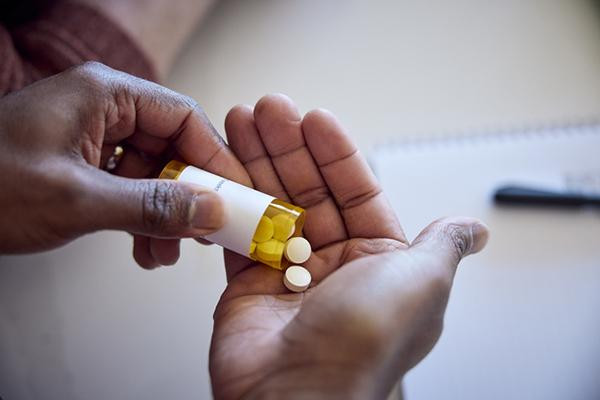
Oral side effects of common medications
Many common medications can affect oral health, causing issues like dry mouth, taste changes, gum swelling, mouth sores, or thrush. Patients should check side effects on medication labels, report persistent symptoms, review medications annually, and keep up with regular dental visits.

Is it dangerous to have a high calcium level?
A high calcium result often turns up on a routine lab test. Possible causes range from overactive parathyroid glands to excess vitamin D.

Can diabetes cause joint pain that feels like arthritis?
Tendonitis, bursitis, frozen shoulder, and Charcot joint can all strike people with diabetes. They mimic arthritis but have different causes.
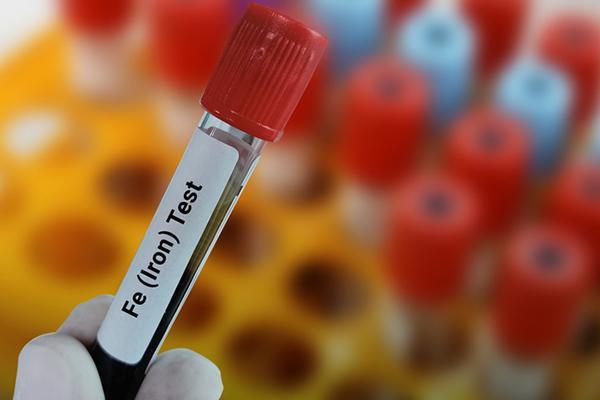
What does it mean if I have a high level of iron in my blood?
Elevated blood iron can result from supplements, genetic disorders, liver disease, or transfusions. Learn what doctors check next and common ways to reduce it.

Continuous glucose monitors: New guidelines recommend expanding CGM use for people with diabetes
The latest diabetes guidelines now recommend continuous glucose monitors for many people with type 2 diabetes. The real-time data from these devices may help reduce heart-related risks in people with diabetes by helping to reduce blood sugar, cholesterol, blood pressure and body weight.
Whole grains may improve several heart risk factors at once
Light exposure at night may raise risk for heart disease
Children of centenarians may stay healthier and live longer too, study finds
A lumbar belt may help ease low back pain
Signs of pneumonia: Sometimes vague and unexpected
Using a vibration plate: What it can — and can't — do for your body
The surprising link between ovarian cancer and the fallopian tubes
People who walk more or walk faster live longer, study finds
Rosacea treatments: What works?
For sleep apnea, a dental device may be as effective as CPAP
Free Healthbeat Signup
Get the latest in health news delivered to your inbox!
Sign Up
