What does it mean if I have a high level of iron in my blood?
Ask the doctor
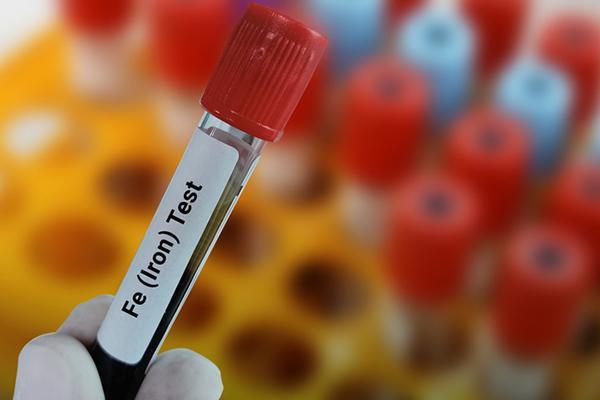
Q. I recently had a blood test. I was told everything is normal except for a high level of iron in my blood. What are the risks of a high iron level? How can I lower my iron level?
A. The risks of a high iron level in the blood depend on the reason for the high level and how high it is. Other tests, including total iron binding capacity (TIBC) and ferritin, can be helpful to sort out the cause.
If the iron level is only slightly high, it could be due to an iron supplement you are taking. There is probably little risk with that. In this situation, I would recommend having your iron tests rechecked and ask your doctor whether you should stop taking the supplement.
An elevated iron level can be due to a genetic condition called hereditary hemochromatosis. With this disease, the digestive tract absorbs too much iron. The excess iron deposits throughout the body, causing damage to important organs including the liver, heart, and pancreas. There are genetic tests available for this condition. If hemochromatosis is the cause of your elevated iron, it's important that it be diagnosed and treated. Family members should be tested as well.
Another cause of high blood iron is frequent blood transfusions to treat the anemia associated with certain blood disorders such as sickle cell disease. Liver inflammation (as with chronic hepatitis) also can raise blood iron levels.
The best ways to lower your blood iron level depend on why it is elevated. Options include:
- avoiding iron supplements
- avoiding excessive blood transfusions; other treatments for anemia (such as medications such as epoetin or darbepoetin) may be preferable
- avoiding excessive iron intake in foods such as liver, red meats, and fortified cereals
- having blood removed (called phlebotomy); this is the main treatment for hereditary hemochromatosis
- medications that remove iron from the body (called chelators) when phlebotomy is not a good option; for example, if a person with iron overload is also anemic, an iron chelator such as defer="defer"oxamine, defer="defer"asirox, or defer="defer"iprone may be appropriate.
Review the details of your iron test results with your doctor and discuss the next steps regarding additional evaluation or treatment.
Image: © Md Zakir Mahmud/Getty Images
About the Author

Robert H. Shmerling, MD, Senior Faculty Editor, Harvard Health Publishing; Editorial Advisory Board Member, Harvard Health Publishing
Disclaimer:
As a service to our readers, Harvard Health Publishing provides access to our library of archived content. Please note the date of last review or update on all articles.
No content on this site, regardless of date, should ever be used as a substitute for direct medical advice from your doctor or other qualified clinician.