










Could there be a connection between obesity, depression, and fibromyalgia?
Ask the doctor
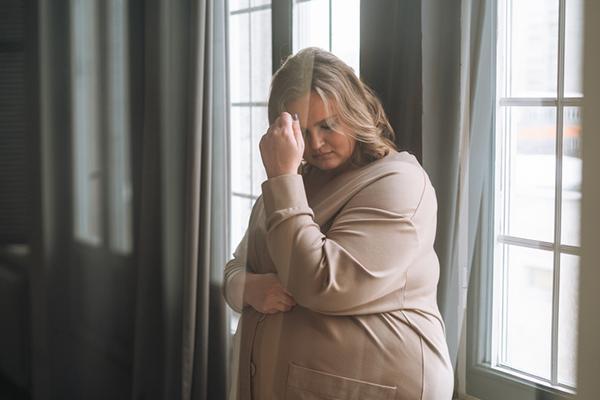
Q. My mother has been diagnosed with fibromyalgia and has suffered with it for about three years. She has been obese for much of her life and has struggled with depression. Is there any research or information on the connection between obesity, depression, and fibromyalgia?
A. A number of studies have found that depression and fibromyalgia are closely connected. A person with fibromyalgia is more likely to have depression than a person who does not have fibromyalgia. And some of the most effective drugs to treat fibromyalgia are antidepressants.
Studies linking obesity and fibromyalgia suggest the following:
- Up to half of people with fibromyalgia are obese and up to 30% are overweight.
- Obesity is associated with more severe symptoms of fibromyalgia.
- Symptoms of fibromyalgia tend to improve when obese or overweight people lose weight.
These studies shed little light on the cause of fibromyalgia or why obesity and depression are associated with it. Research intended to sort out the relationship between these conditions is complicated by the fact that many symptoms of these disorders overlap. For example, a person may have fatigue due to depression or fibromyalgia, or from both.
It's possible that fibromyalgia leads to depression. Having a long-lasting, painful condition with no known cause and no ideal treatment, such as fibromyalgia, could trigger depression. But it's also possible that depression comes first.
Fibromyalgia may increase the risk of weight gain because fatigue and pain (typical symptoms of fibromyalgia) might discourage a person from exercising.
While there is good evidence suggesting a link between obesity, depression, and fibromyalgia, the challenge is figuring out what these links mean and what to do about them. Clearly, we have much to learn about fibromyalgia and the conditions that often accompany it.
Image: © Galina Zhigalova/Getty Images
About the Author

Robert H. Shmerling, MD, Senior Faculty Editor, Harvard Health Publishing; Editorial Advisory Board Member, Harvard Health Publishing
Disclaimer:
As a service to our readers, Harvard Health Publishing provides access to our library of archived content. Please note the date of last review or update on all articles.
No content on this site, regardless of date, should ever be used as a substitute for direct medical advice from your doctor or other qualified clinician.


