

Healing after food poisoning

What is tempeh? Benefits, nutrition, and how to use it

Light exposure at night may raise risk for heart disease

Whole grains may improve several heart risk factors at once

A lumbar belt may help ease low back pain

Children of centenarians may stay healthier and live longer too, study finds

Signs of pneumonia: Sometimes vague and unexpected

The surprising link between ovarian cancer and the fallopian tubes

Using a vibration plate: What it can — and can't — do for your body

People who walk more or walk faster live longer, study finds
Depression Archive
Articles
How to not practice emotional distancing during social distancing
While COVID-19 brings normal life to a temporary halt as we practice social distancing, it helps to double-down on deepening social bonds and practicing kindness and gratitude, not emotional distancing.

How to talk to teens about the new coronavirus
Coping with coronavirus anxiety
Anxiety about the new coronavirus is understandable. But there are actions you can take –– or avoid –– to help you cope with anxious feelings and choices you can make to help yourself and others.

Meditation may help you catch mental mistakes
In the journals
If you want to make fewer mental mistakes, try meditation, suggests a study in the September 2019 issue of Brain Sciences.
Researchers recruited 200 people who had never meditated and led them through a guided 20-minute meditation called open monitoring. While many styles of meditation have you focus on a single object, like your breathing or a visual image, the goal of open monitoring meditation is to pay more attention to your feelings and body sensations.

Puppy love may help your heart
An increasing body of research shows that dog ownership may boost heart health.
Looking to improve your heart health? You might want to think about getting a dog.
A growing body of scientific research suggests that having a canine companion is associated with number of health benefits, including improved cardiovascular health. "Numerous studies from Scandinavia, England and the United States suggest that dog owners have better health than individuals who don't own dogs. But what we really want to know is whether owning dogs produces better health or if it just means that healthier individuals are more likely to own dogs," says Dr. Dhruv Satish Kazi, a cardiologist and associate director of the Smith Center of Outcomes Research at Beth Israel Deaconess Medical Center and a member of the faculty of medicine at Harvard Medical School.

Menopause and mental health
Shifts in the levels of female hormones can cause temporary mood changes, including symptoms of depression.
The years leading up to menopause and the transition itself can bring changes to your body. But they can also have an effect on your mind, specifically your mental health.
The incidence of depression doubles during this time. Women who have struggled in the past with depression or anxiety might also see a resurgence in symptoms.

Dopamine fasting: Misunderstanding science spawns a maladaptive fad
Dopamine is a neurotransmitter involved in the body’s system for reward and pleasure. A recent trend has people avoiding stimulating activities in the belief that doing so allows the body to reset from being overstimulated, but the original idea has been misunderstood and wrongly applied.

Puffing away sadness
The nicotine in cigarettes stimulates the nervous system, resulting in a mood boost. But does this mean that smokers will reach for a cigarette when they are feeling sad? Researchers found that sad feelings may cause some people to smoke.

Harnessing the upsides of stress
Changing your mindset doesn't mean taking a Pollyanna view of the world. The key isn't to deny stress, but to recognize and acknowledge it—and then to find the upside, because a full-throttle fight-or-flight response is not the only possible reaction to stress (at least when the stress does not involve a potentially life-threatening situation).
In people with a more stress-hardy mindset, the stress response is often tempered by the challenge response, which accounts for the so-called excite-and-delight experience that some people have in stressful situations, such as skydiving. Like the typical stress response, the challenge response also affects the cardiovascular system, but instead of constricting blood vessels and ramping up inflammation in anticipation of wounds, it allows for maximum blood flow, much like exercise.
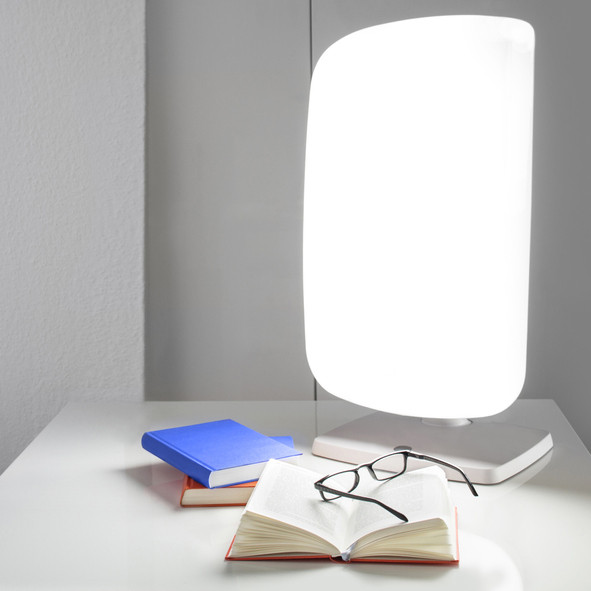
Can light therapies help with bipolar disorder?
One approach to treating bipolar disorders is manipulation of the body’s circadian rhythms. A recent review of research found that such therapies may help, often in combination with medications and psychotherapy.
Healing after food poisoning
What is tempeh? Benefits, nutrition, and how to use it
Light exposure at night may raise risk for heart disease
Whole grains may improve several heart risk factors at once
A lumbar belt may help ease low back pain
Children of centenarians may stay healthier and live longer too, study finds
Signs of pneumonia: Sometimes vague and unexpected
The surprising link between ovarian cancer and the fallopian tubes
Using a vibration plate: What it can — and can't — do for your body
People who walk more or walk faster live longer, study finds
Free Healthbeat Signup
Get the latest in health news delivered to your inbox!
Sign Up
