

Healing after food poisoning

What is tempeh? Benefits, nutrition, and how to use it

Light exposure at night may raise risk for heart disease

Whole grains may improve several heart risk factors at once

A lumbar belt may help ease low back pain

Children of centenarians may stay healthier and live longer too, study finds

Signs of pneumonia: Sometimes vague and unexpected

The surprising link between ovarian cancer and the fallopian tubes

Using a vibration plate: What it can — and can't — do for your body

People who walk more or walk faster live longer, study finds
Depression Archive
Articles

Testing for dementia
If you or someone else suspects early signs of memory loss, here's how you can find out if there's a problem.
There's no cure for dementia, and you cannot substantially reverse its effects, but there are ways to possibly slow its progression. But first, you need to know if you — or a loved one — may have a memory disorder. "Unfortunately, there is not one single test that confirms dementia while you are alive," says Dr. Julie Brody Magid, clinical director of the Harvard-affiliated McLean Hospital Memory Disorders Assessment Clinic. "The testing process is multilayered and takes many things into consideration. Going through this evaluation may help identify memory problems before they get worse."
Know the symptoms
Symptoms of dementia include memory loss, problem-solving difficulties, and language issues. Behavior and emotions also can be affected. Symptoms are often subtle early on, and then get progressively worse. They can increasingly interfere with daily life tasks, like remembering to attend appointments, take medication, or pay bills. People also may have trouble preparing meals or driving safely.
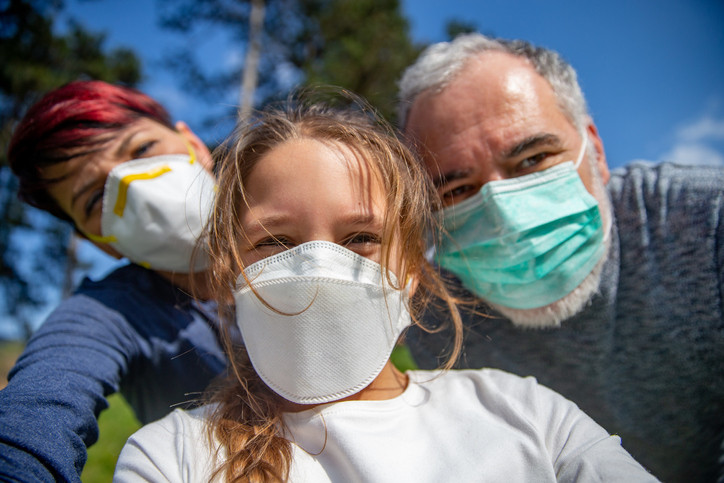
7 tips for going outside safely with your children during the COVID-19 pandemic
During the COVID-19 pandemic, getting yourself and your children outside helps with both physical and mental health. Be smart and do it safely by following these tips.


Strategies to support teens and young adults with autism spectrum disorder during COVID-19
The conditions imposed by the COVID-19 pandemic are challenging for all of us, but are especially difficult for teenagers with autism spectrum disorder and their families. Strategies to support teens and families living with ASD can help lessen the impact of the virus.
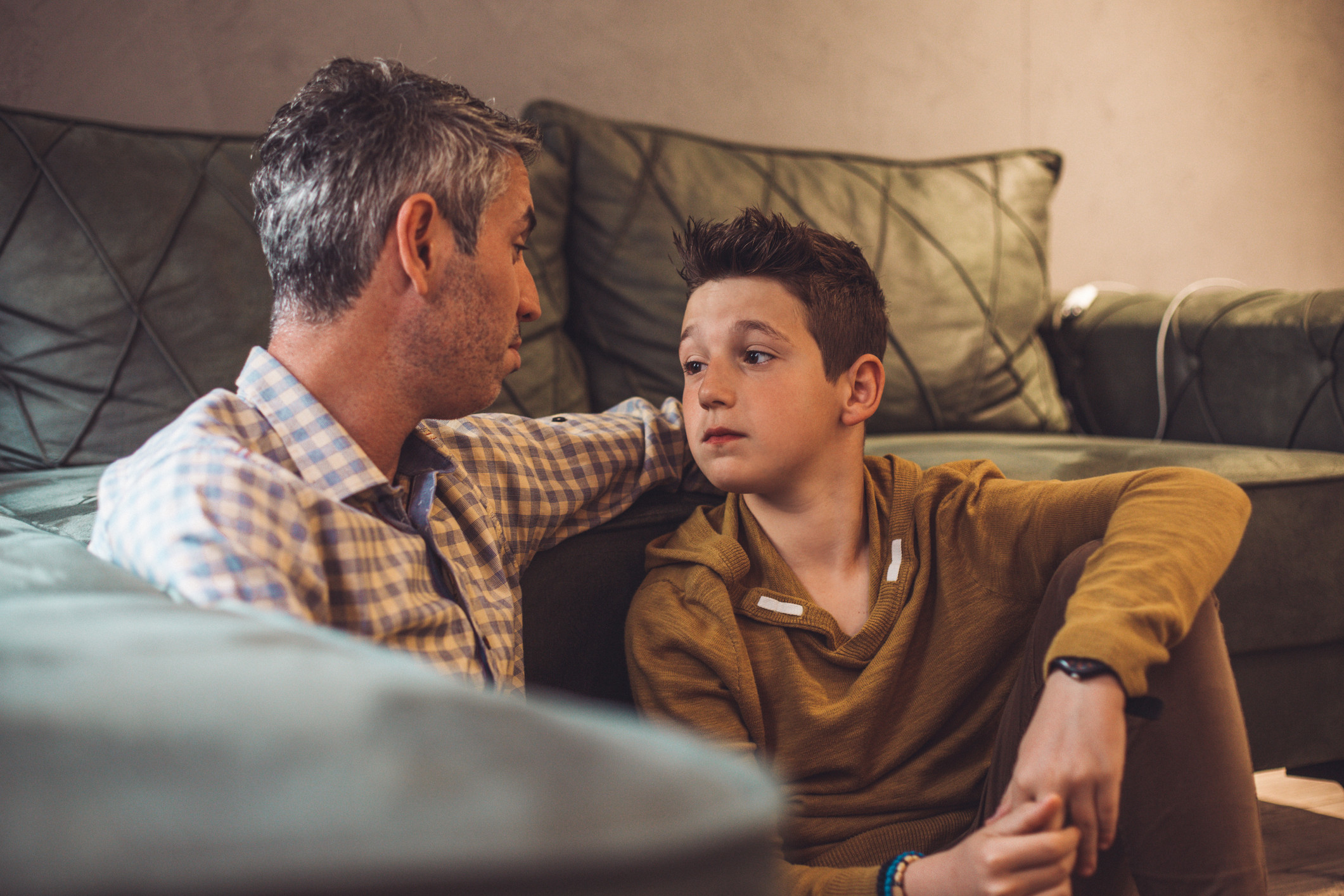
How can you support your teenager with autism spectrum disorder if they are depressed?
A recent study found that teens with autism spectrum disorder are three times more likely to develop depression, but several aspects of ASD overlap with those of depression, so identifying symptoms of depression in a person with ASD can be challenging.

A tale of two epidemics: When COVID-19 and opioid addiction collide
In our inner cities, the COVID-19 pandemic comes on top of another crisis that has plagued our country for years: the opioid epidemic. The combined effects of these two events are immense, and highlight already-existing problems with our society and our health care system.

7 common causes of forgetfulness
Memory slips are aggravating, frustrating, and sometimes worrisome. When they happen more than they should, they can trigger fears of looming dementia or Alzheimer’s disease. But there are some treatable causes of forgetfulness.

6 self-care steps for a pandemic — always important, now essential
You’ve probably heard more about self-care lately than usual. Because our current situation is so abnormal and stressful, looking after yourself is even more important, and no one is more aware of this than doctors and other medical personnel.

Always worried about your health? You may be dealing with health anxiety disorder
Health anxiety can interfere with your life, but it's highly treatable.
Image: © XiXinXing/Getty Images
You spend hours on the Internet researching health information. When you get a scratchy throat you automatically think cancer — not a cold. And even when medical tests come back showing that you're healthy, it doesn't make you feel better. In the back of your mind you still feel like something is wrong.
If this sounds like you or a loved one, it may be health anxiety.

Keeping teens home and away from friends during COVID-19
It may be difficult to impress on your teenage children the importance of staying home and not socializing with their friends during this pandemic, but as parents, you are going to have to convince them. Here are some helpful tools and ideas.
Healing after food poisoning
What is tempeh? Benefits, nutrition, and how to use it
Light exposure at night may raise risk for heart disease
Whole grains may improve several heart risk factors at once
A lumbar belt may help ease low back pain
Children of centenarians may stay healthier and live longer too, study finds
Signs of pneumonia: Sometimes vague and unexpected
The surprising link between ovarian cancer and the fallopian tubes
Using a vibration plate: What it can — and can't — do for your body
People who walk more or walk faster live longer, study finds
Free Healthbeat Signup
Get the latest in health news delivered to your inbox!
Sign Up
