

CoQ10: Should you take this popular supplement if you're on a statin?

Microplastics: A hidden health threat?

Oat vs. dairy milk: Nutrition, benefits, and downsides

What is tempeh? Benefits, nutrition, and how to use it

Healing after food poisoning

Children of centenarians may stay healthier and live longer too, study finds

Light exposure at night may raise risk for heart disease

A lumbar belt may help ease low back pain

Whole grains may improve several heart risk factors at once

Signs of pneumonia: Sometimes vague and unexpected
Depression Archive
Articles

Navigating middle school is tough: How parents can help
Middle school can be challenging for many students, with increased time demands, more homework, and social situations to navigate. What can parents do to support their kids and strengthen family bonds during this period in their lives?

Why might an antidepressant increase anxiety?
Antidepressants can affect anxiety in unexpected ways, with timing, dosage, and personal factors shaping the search for the right treatment.
Could exercise change how much of your antidepressant you need?
Regular jogging can support mood and brain health, but changing an antidepressant dose involves more than adding exercise to your routine.
Don't ignore depression
Depression may be more common as people age, but new data suggest that the biggest threat to older adults’ mental health is their failure to recognize its symptoms and seriousness. Many chalk up depression as a normal part of aging, but addressing it as a real and treatable disease can help older adults seek the help they need and not needlessly suffer.


Denial: How it hurts, how it helps, and how to cope
Denial is a natural response at times when you’re unable or unwilling to face the facts. As a defense mechanism, it can be helpful or harmful. Here's how to spot it in yourself and others, and how to move from denial toward meaningful change.
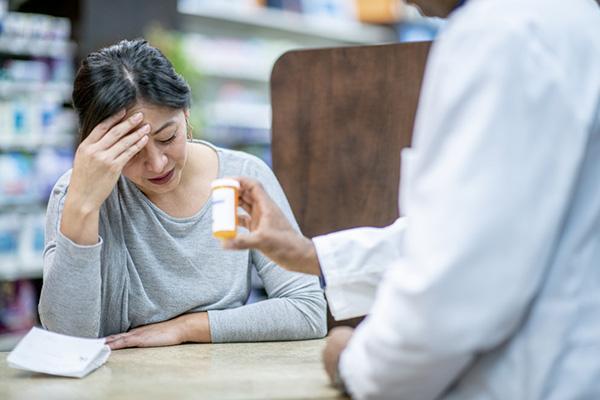
What should you do if panic attacks start while taking an SSRI?
New panic attacks while taking an SSRI may prompt questions about dosage, switching medications, or adding another type of treatment.
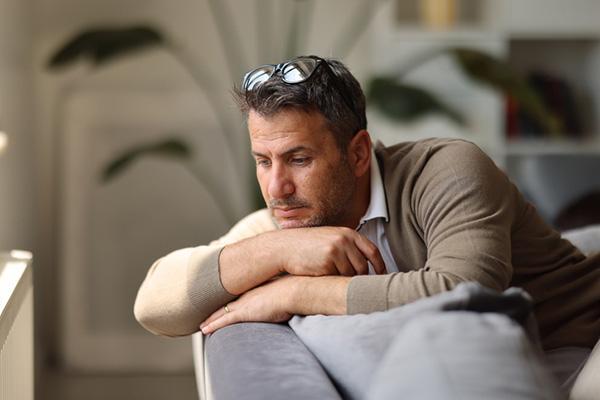
What is anhedonia?
When pleasure fades from everyday activities, anhedonia can affect mood, relationships and motivation. Discover why it happens and where support may help.
CoQ10: Should you take this popular supplement if you're on a statin?
Microplastics: A hidden health threat?
Oat vs. dairy milk: Nutrition, benefits, and downsides
What is tempeh? Benefits, nutrition, and how to use it
Healing after food poisoning
Children of centenarians may stay healthier and live longer too, study finds
Light exposure at night may raise risk for heart disease
A lumbar belt may help ease low back pain
Whole grains may improve several heart risk factors at once
Signs of pneumonia: Sometimes vague and unexpected
Free Healthbeat Signup
Get the latest in health news delivered to your inbox!
Sign Up
