

Using a vibration plate: What it can — and can't — do for your body

The surprising link between ovarian cancer and the fallopian tubes

People who walk more or walk faster live longer, study finds

For sleep apnea, a dental device may be as effective as CPAP

Rosacea treatments: What works?

Carb cycling: What is it, and does it work?

Salmonella, E. coli, Cyclospora, and other germs that cause food poisoning: What you need to know

Melatonin or magnesium: Can either supplement help you sleep?

Understanding orthorexia: Have your healthy eating goals gone too far?

Naturally gluten-free foods
Depression Archive
Articles

Spirituality may protect against substance misuse
A 2026 study suggests that people who engage in spiritual practices and communities are significantly less likely than non-practitioners to misuse alcohol, tobacco, marijuana, and illicit drugs and better able to recover from substance abuse.

Pouring from an empty cup? Three ways to refill emotionally
Burnout - whatever the cause - can lead to depression and anxiety, and affect your relationships and ability to function. But it's possible to replenish your energy and enjoyment of life.

Diagnosing and treating premenstrual dysphoric disorder
Women who experience severe premenstrual symptoms may have a condition called premenstrual dysphoric disorder. Antidepressants may relieve these symptoms and, depending on the person, can be taken intermittently instead of daily.
Break free from 3 self-sabotaging ANTs - automatic negative thoughts
Automatic negative thoughts are reactions that compel people to interpret many situations in unbalanced, upsetting ways. But with practice, people can learn to recognize and disarm distorted thinking.



What is the connection between depression and migraine headaches?
Depression and migraines often travel together, with each able to worsen the other.


Losing a pet can trigger grief as intense as human loss
A 2026 study suggested that losing a pet can trigger grief as intense and prolonged as that from losing a human loved one.
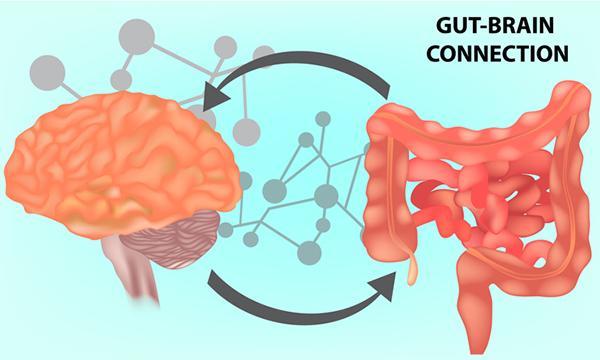
How the gut-brain connection influences mood
The brain communicates with the gastrointestinal tract through a connection scientists call the gut-brain axis. Evidence suggests that when the gut is irritated by triggers such as infection, stress, food, allergies, alcohol, or heredity, the resulting inflammation could influence mood.
Using a vibration plate: What it can — and can't — do for your body
The surprising link between ovarian cancer and the fallopian tubes
People who walk more or walk faster live longer, study finds
For sleep apnea, a dental device may be as effective as CPAP
Rosacea treatments: What works?
Carb cycling: What is it, and does it work?
Salmonella, E. coli, Cyclospora, and other germs that cause food poisoning: What you need to know
Melatonin or magnesium: Can either supplement help you sleep?
Understanding orthorexia: Have your healthy eating goals gone too far?
Naturally gluten-free foods
Free Healthbeat Signup
Get the latest in health news delivered to your inbox!
Sign Up
