

Healing after food poisoning

What is tempeh? Benefits, nutrition, and how to use it

Light exposure at night may raise risk for heart disease

Whole grains may improve several heart risk factors at once

A lumbar belt may help ease low back pain

Children of centenarians may stay healthier and live longer too, study finds

Signs of pneumonia: Sometimes vague and unexpected

The surprising link between ovarian cancer and the fallopian tubes

Using a vibration plate: What it can — and can't — do for your body

People who walk more or walk faster live longer, study finds
Depression Archive
Articles
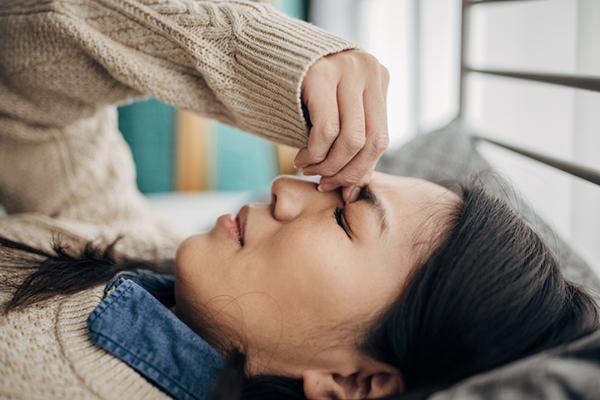
What is the connection between depression and migraine headaches?
Depression and migraines often travel together, with each able to worsen the other.


Losing a pet can trigger grief as intense as human loss
A 2026 study suggested that losing a pet can trigger grief as intense and prolonged as that from losing a human loved one.
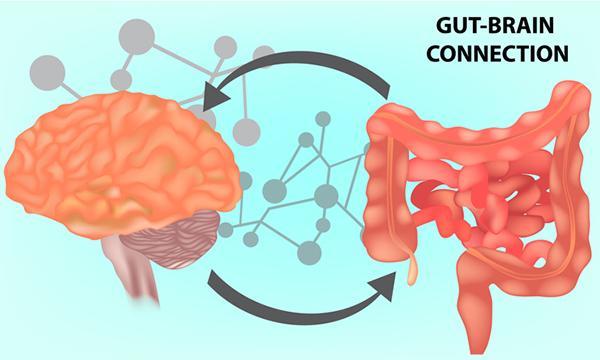
How the gut-brain connection influences mood
The brain communicates with the gastrointestinal tract through a connection scientists call the gut-brain axis. Evidence suggests that when the gut is irritated by triggers such as infection, stress, food, allergies, alcohol, or heredity, the resulting inflammation could influence mood.

5 skills teens need in life - and how to encourage them
All parents want their children to be happy and able to successfully navigate life's challenges. Five core skills form a great foundation, and while parents can and should support young children in building these skills, encouraging teens to reinforce and refine their skills is important.

Will couples therapy improve your relationship?
Couples therapy gives partners a structured space to work through conflict, improve communication, and strengthen their bond with the help of a trained therapist. It's useful not only in times of crisis, but also when couples want to navigate big life changes or simply deepen their connection.

An essential way to combat loneliness
Loneliness is widespread and harms both physical and mental health, but nurturing existing relationships is a powerful antidote. By reconnecting with friends and family, meeting regularly, minimizing distractions, and staying in touch across distance, it's possible to more connected and help protect long-term health.
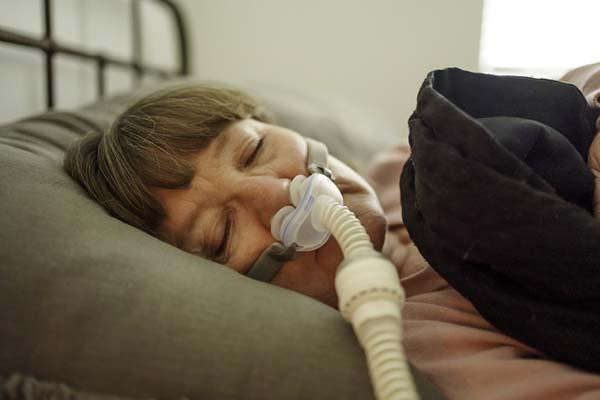
Sleep apnea linked to mental health conditions in middle and older age
Obstructive sleep apnea (OSA), marked by breathing pauses during sleep, is linked to high blood pressure, heart disease, stroke, and diabetes. A 2025 study found that people at high risk for OSA also had about 40% higher odds of depression and other mental health conditions.


What is EMDR therapy, and who can it help?
Eye movement desensitization and reprocessing (EMDR) therapy is recognized as a proven method for treating post-traumatic stress disorder. It also shows promise for other mental health conditions, including personality disorders, anxiety, and depression.
Healing after food poisoning
What is tempeh? Benefits, nutrition, and how to use it
Light exposure at night may raise risk for heart disease
Whole grains may improve several heart risk factors at once
A lumbar belt may help ease low back pain
Children of centenarians may stay healthier and live longer too, study finds
Signs of pneumonia: Sometimes vague and unexpected
The surprising link between ovarian cancer and the fallopian tubes
Using a vibration plate: What it can — and can't — do for your body
People who walk more or walk faster live longer, study finds
Free Healthbeat Signup
Get the latest in health news delivered to your inbox!
Sign Up
